Necessary Cookies

Required for the site to function. Cannot be disabled.

Analytics Cookies

Help us understand how visitors interact with our site (Google Analytics via GTM).

Marketing Cookies

Used to track visitors and deliver personalised advertisements.

We use cookies to enhance your browsing experience and analyse site traffic. By clicking Accept All, you consent to our use of cookies. Privacy Policy
NewsFire Global
Home News Europe World Christianity Culture Wars Opinion Video
Information
About Us Authors Advertising Terms & Conditions Privacy Policy Contact
R2B Media
R2B NEWSFIRE.GR PAPAFOTIS.GR THRACTION HELLENIC CONSERVATIVES RIGHT2THEBONE YT
News World

US and Iran Strike Deal to End War, Reopen Strait of Hormuz

The United States and Iran reached a comprehensive agreement to end their military conflict and reopen the Strait of Hormuz, with formal signing scheduled for June 19 in Switzerland.

Newsroom
Newsroom Staff Writer
JUNE 15, 2026 AT 1:08 PM

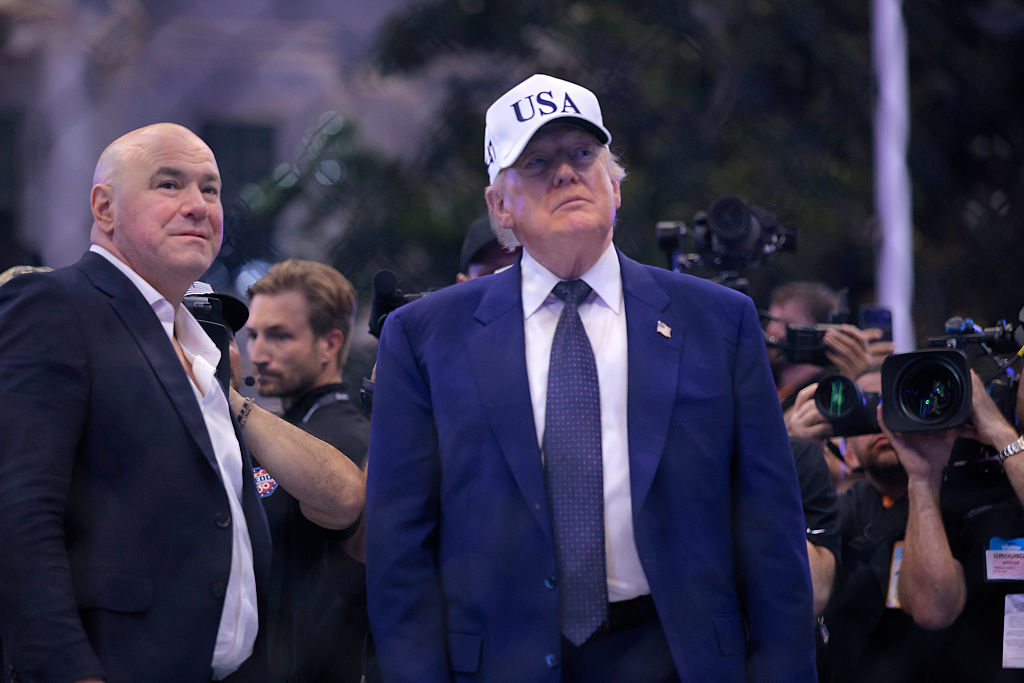
Donald Trump, the US President, confirmed on June 14 that negotiations had successfully concluded and authorized the immediate lifting of the American naval blockade imposed on Iranian ports. Writing on his Truth Social platform, Trump declared that the deal with the Islamic Republic of Iran is now complete.

The announcement came minutes after Pakistani Prime Minister Shehbaz Sharif publicly revealed the breakthrough. Pakistan served as a key mediator in the diplomatic effort alongside Qatar, Saudi Arabia, and Turkey. Sharif confirmed that both Washington and Tehran had committed to an immediate and permanent cessation of military operations across all theaters, including Lebanon.

Iranian officials moved quickly to verify the agreement. Deputy Foreign Minister Kazem Gharibabadi stated that the finalized text would be formally signed in Switzerland on June 19, with the Strait of Hormuz set to reopen following the signing ceremony, as Brussels Signal reports.

Gharibabadi emphasized through Iranian state media that the agreement does not represent trust in Washington, and that Tehran would verify American compliance with initial commitments before proceeding to the formal signing.

Structured Framework Ahead

The deal takes the form of a memorandum of understanding that will launch 60 days of intensive negotiations covering Iran’s nuclear program, sanctions relief, and reconstruction assistance for the country.

Iran had effectively seized control of the Strait of Hormuz early in the conflict, bringing maritime traffic through the critical waterway to a near standstill. The strait normally handles approximately 20 million barrels of oil daily. The United States responded by establishing a naval blockade of Iranian ports in April, further constraining global energy flows.

Israeli Position Unclear

Israel, which fought alongside American forces against Iran, has not signed the agreement and may not consider itself bound by its terms. Israeli media reported that Prime Minister Benjamin Netanyahu informed Trump that his government does not view itself as committed to the deal’s provisions regarding Lebanon.

Trump publicly criticized Netanyahu over recent Israeli airstrikes on Beirut, the Lebanese capital, stating such actions should not have occurred.

Energy Markets and Global Response

The conflict erupted on February 28 when the United States and Israel launched coordinated military operations against Iran. The ensuing war severely disrupted global energy supplies and created sustained volatility in oil markets throughout the year.

Leaders of the Group of Seven industrialized nations were scheduled to address the reopening of the Strait of Hormuz at their summit in Évian, France, on June 15.

With information from Brussels Signal

Share:
Newsroom
Newsroom

NewsFire.GR is a website created with the hope that the media will rediscover their true identity, which is none other than informing the public about the real stakes of our times. Journalism and political analysis must hold power accountable, not serve it.

Donald Trump, the US President, confirmed on June 14 that negotiations had successfully concluded and authorized the immediate lifting of the American naval blockade imposed on Iranian ports. Writing on his Truth Social platform, Trump declared that the deal with the Islamic Republic of Iran is now complete.

The announcement came minutes after Pakistani Prime Minister Shehbaz Sharif publicly revealed the breakthrough. Pakistan served as a key mediator in the diplomatic effort alongside Qatar, Saudi Arabia, and Turkey. Sharif confirmed that both Washington and Tehran had committed to an immediate and permanent cessation of military operations across all theaters, including Lebanon.

Iranian officials moved quickly to verify the agreement. Deputy Foreign Minister Kazem Gharibabadi stated that the finalized text would be formally signed in Switzerland on June 19, with the Strait of Hormuz set to reopen following the signing ceremony, as Brussels Signal reports.

Gharibabadi emphasized through Iranian state media that the agreement does not represent trust in Washington, and that Tehran would verify American compliance with initial commitments before proceeding to the formal signing.

Structured Framework Ahead

The deal takes the form of a memorandum of understanding that will launch 60 days of intensive negotiations covering Iran’s nuclear program, sanctions relief, and reconstruction assistance for the country.

Iran had effectively seized control of the Strait of Hormuz early in the conflict, bringing maritime traffic through the critical waterway to a near standstill. The strait normally handles approximately 20 million barrels of oil daily. The United States responded by establishing a naval blockade of Iranian ports in April, further constraining global energy flows.

Israeli Position Unclear

Israel, which fought alongside American forces against Iran, has not signed the agreement and may not consider itself bound by its terms. Israeli media reported that Prime Minister Benjamin Netanyahu informed Trump that his government does not view itself as committed to the deal’s provisions regarding Lebanon.

Trump publicly criticized Netanyahu over recent Israeli airstrikes on Beirut, the Lebanese capital, stating such actions should not have occurred.

Energy Markets and Global Response

The conflict erupted on February 28 when the United States and Israel launched coordinated military operations against Iran. The ensuing war severely disrupted global energy supplies and created sustained volatility in oil markets throughout the year.

Leaders of the Group of Seven industrialized nations were scheduled to address the reopening of the Strait of Hormuz at their summit in Évian, France, on June 15.

With information from Brussels Signal

