
US and Iran Digitally Signed Deal Sunday, Says Vance
Vice President JD Vance announced the U.S. and Iran digitally signed a peace agreement ending their conflict, with a formal ceremony Friday in Switzerland.
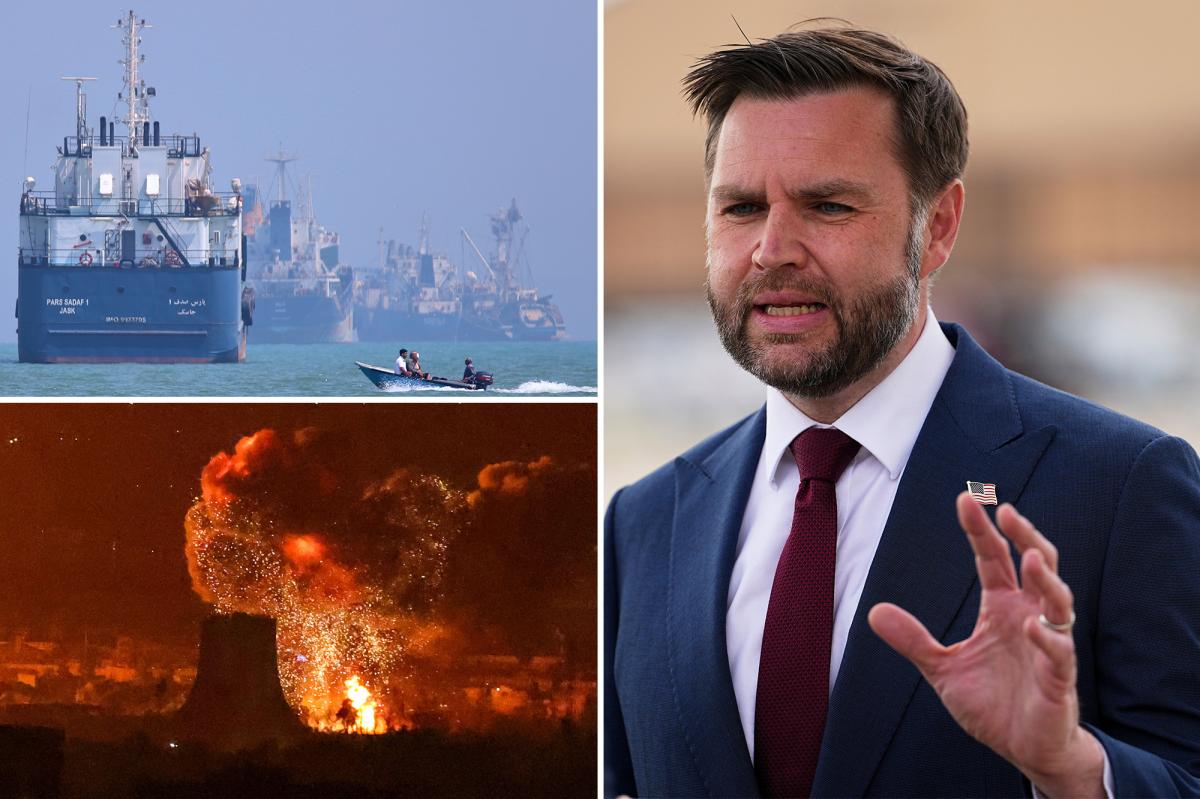

Speaking to ABC’s “Good Morning America,” Vance revealed that the deal has been signed digitally prior to the official ceremony, according to New York Post. However, immediate questions arose about whether this refers to the final agreement itself or a preliminary memorandum of understanding.
The existence of a signed document raises critical questions about implementation timelines. It remains unclear whether the digital signature triggers the reopening of the Strait of Hormuz and the lifting of the American blockade on Iranian ports, or if these measures await Friday’s formal ceremony. The vice president stated the agreement’s text will be released later this week.
Strait of Hormuz Operations Begin
President Donald Trump indicated on Truth Social Monday morning that shipping operations are resuming through the strategic waterway. Ships are starting to move, many loaded up with Oil, out of the Strait of Hormuz, the president wrote. Trump previously indicated the strait would reopen on Friday and is expected to address demining logistics during his meetings with G7 leaders in France this week.
Reconstruction Fund Sparks Conservative Pushback
Vance spent Monday morning on multiple news programs defending the agreement against concerns from fellow Republicans about reported Iranian reconstruction funding. The vice president confirmed Iran would gain access to a 300 billion dollar reconstruction fund if Tehran fulfills obligations to dismantle its nuclear program, though no American taxpayer money would be involved.
The fund would be financed by Gulf Cooperation Council countries, Vance explained during his CBS Mornings appearance, contingent on Iran honoring commitments to end uranium enrichment. He emphasized to Good Morning America that not a single dollar of American money would flow to Iran, and any financial benefits would follow Tehran meeting specific nuclear program benchmarks.
Senator Lindsey Graham of South Carolina, a strong Trump ally, has emerged as one of the most vocal critics of the reconstruction fund concept. Graham warned the money would be squandered without regime change in Tehran, comparing the proposal to a Marshall Plan for Germany with the Nazis still in power.
Vance directly addressed Graham’s concerns, urging him and others not to accept hardliner propaganda from Iran but to wait for the actual agreement text. He stressed the deal ensures Iran receives no funds without performing its obligations, characterizing the arrangement fundamentally as sanctions relief rather than American financial transfers.
Toll-Free Access Questions Remain
Significant details about the Strait of Hormuz remain unresolved, particularly regarding potential fees for passage through the critical waterway. Trump has stated the passage will remain permanently fee-free, but Iranian Foreign Ministry spokesman Esmail Baghaei indicated Monday that while Iran would not collect tolls, Tehran might still charge fees for services provided to vessels.
During a CNBC interview, Vance acknowledged numerous important details require resolution through technical negotiations. He stated American expectations call for the strait to open toll-free for the long term, with specifics to be determined at the negotiating table.
The 60-day window for technical talks may begin either from Sunday’s digital signing or Friday’s formal ceremony, though this timeline has not been definitively clarified by the administration.
With information from New York Post





