Necessary Cookies

Required for the site to function. Cannot be disabled.

Analytics Cookies

Help us understand how visitors interact with our site (Google Analytics via GTM).

Marketing Cookies

Used to track visitors and deliver personalised advertisements.

We use cookies to enhance your browsing experience and analyse site traffic. By clicking Accept All, you consent to our use of cookies. Privacy Policy
NewsFire Global
Home News Europe World Christianity Culture Wars Opinion Video
Information
About Us Authors Advertising Terms & Conditions Privacy Policy Contact
R2B Media
R2B NEWSFIRE.GR PAPAFOTIS.GR THRACTION HELLENIC CONSERVATIVES RIGHT2THEBONE YT
News Europe

UK to Ban Social Media for Youth Under 16

Britain plans to ban social media for children under 16 following Australia's lead, though enforcement challenges remain as young users often bypass restrictions through VPNs and false information.

Dimitris Papafotis
Dimitris Papafotis Editor in Chief
JUNE 15, 2026 AT 2:08 PM

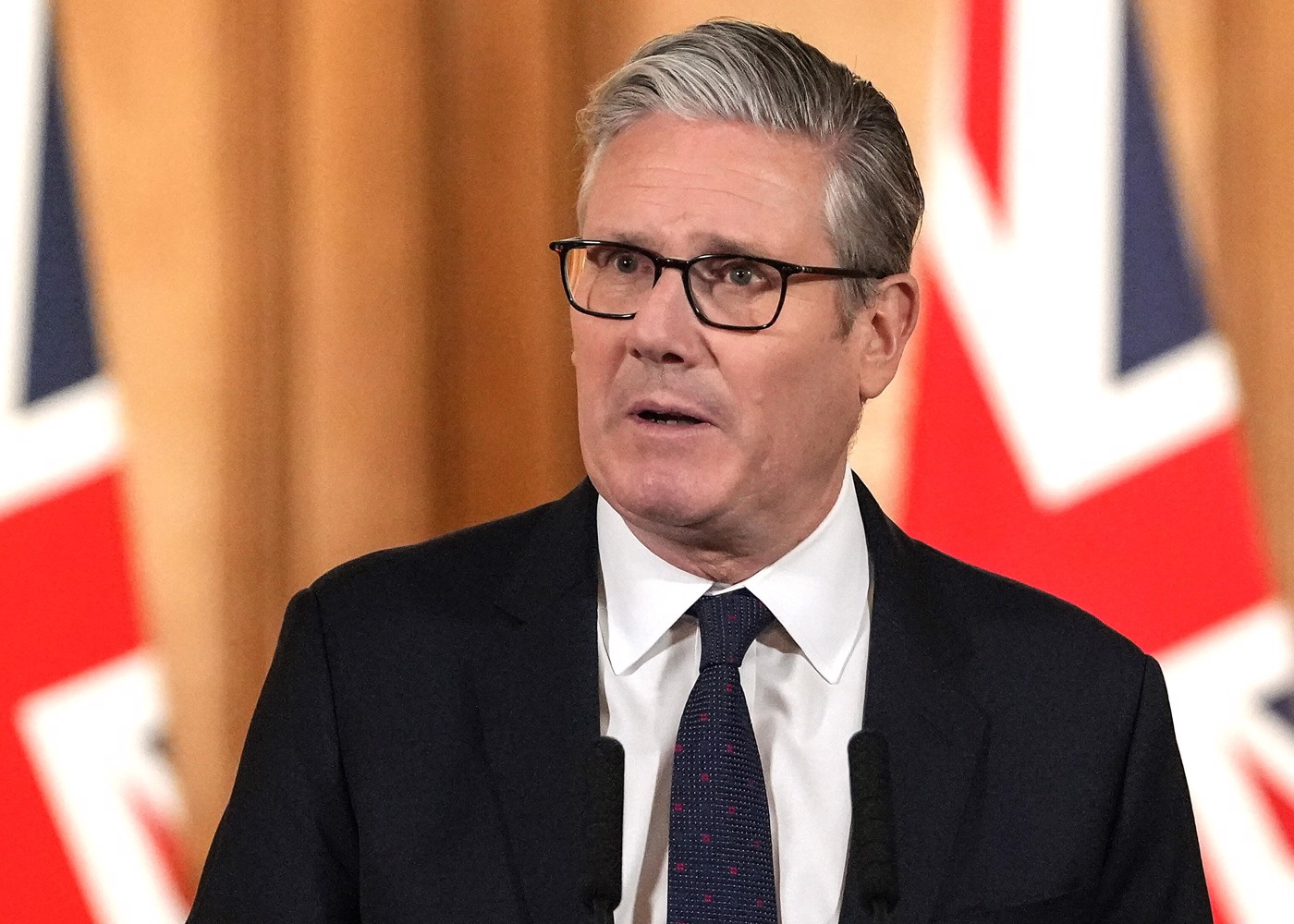
The Labour leader announced the proposed legislation in London, citing mounting concerns over the harmful effects of digital platforms on young people’s mental health and wellbeing, according to Nius.

Keir Starmer defended the controversial move by stating that social media makes children unhappy, though he acknowledged that online platforms can offer some benefits to young users. However, the government has concluded that the risks far outweigh any advantages, making a complete ban the appropriate course of action. Starmer called it a great day for the country.

Britain would not be breaking new ground with such a measure. Australia implemented a blanket prohibition on social media use for under-16s in December 2025, becoming the first major Western nation to do so. That decision has sparked growing debate across Europe about whether similar restrictions should be adopted.

Enforcement Challenges Loom Large

The British government also plans to tighten regulations around gaming services and livestreaming platforms, preventing adult strangers from contacting children through chat functions.

Yet serious questions remain about whether such bans can actually be enforced effectively. In Australia, many young people have continued accessing social networks despite the new rules, circumventing restrictions through VPN services or by creating accounts with false age information.

Germany is also moving toward stricter online protections for minors. An expert commission is currently drafting recommendations that Federal Education Minister Karin Prien has pledged to present at the end of June. The proposals will target schools, parents, daycare centers, and medical professionals.

Europe Moves Toward Coordinated Action

Several European nations are pursuing similar plans, including France, Spain, Greece, Norway, and Austria. There is mounting pressure on Brussels to establish binding regulations for major platforms, as effective enforcement is most viable at the EU level rather than through fragmented national legislation.

The push for age-based social media restrictions reflects a broader conservative concern that Big Tech companies have prioritized growth and engagement over the wellbeing of vulnerable young users. Critics of the platforms argue that years of self-regulation have failed, leaving governments with no choice but to impose hard limits.

Whether the British ban will survive parliamentary scrutiny and prove enforceable remains to be seen, but Starmer has made clear that his government views digital protection of children as a defining policy priority.

With information from Nius
Share:
Dimitris Papafotis
Dimitris Papafotis

Dimitris Papafotis is the editor-in-chief of NewsFire.GR. He was born and raised in Athens. He studied at the Journalism Workshop (1991-1993). He currently lives in Pyrgos, Ilia, where he has been active in radio and various newspapers, while also maintaining his personal blog, Papafotis.gr.

The Labour leader announced the proposed legislation in London, citing mounting concerns over the harmful effects of digital platforms on young people’s mental health and wellbeing, according to Nius.

Keir Starmer defended the controversial move by stating that social media makes children unhappy, though he acknowledged that online platforms can offer some benefits to young users. However, the government has concluded that the risks far outweigh any advantages, making a complete ban the appropriate course of action. Starmer called it a great day for the country.

Britain would not be breaking new ground with such a measure. Australia implemented a blanket prohibition on social media use for under-16s in December 2025, becoming the first major Western nation to do so. That decision has sparked growing debate across Europe about whether similar restrictions should be adopted.

Enforcement Challenges Loom Large

The British government also plans to tighten regulations around gaming services and livestreaming platforms, preventing adult strangers from contacting children through chat functions.

Yet serious questions remain about whether such bans can actually be enforced effectively. In Australia, many young people have continued accessing social networks despite the new rules, circumventing restrictions through VPN services or by creating accounts with false age information.

Germany is also moving toward stricter online protections for minors. An expert commission is currently drafting recommendations that Federal Education Minister Karin Prien has pledged to present at the end of June. The proposals will target schools, parents, daycare centers, and medical professionals.

Europe Moves Toward Coordinated Action

Several European nations are pursuing similar plans, including France, Spain, Greece, Norway, and Austria. There is mounting pressure on Brussels to establish binding regulations for major platforms, as effective enforcement is most viable at the EU level rather than through fragmented national legislation.

The push for age-based social media restrictions reflects a broader conservative concern that Big Tech companies have prioritized growth and engagement over the wellbeing of vulnerable young users. Critics of the platforms argue that years of self-regulation have failed, leaving governments with no choice but to impose hard limits.

Whether the British ban will survive parliamentary scrutiny and prove enforceable remains to be seen, but Starmer has made clear that his government views digital protection of children as a defining policy priority.

With information from Nius