
U.S. Strikes Iranian Targets After Helicopter Downing
The U.S. conducted military strikes on Iranian radar and air-defense installations after Iran downed an American Apache helicopter over the Strait of Hormuz, escalating tensions despite ongoing diplomacy.
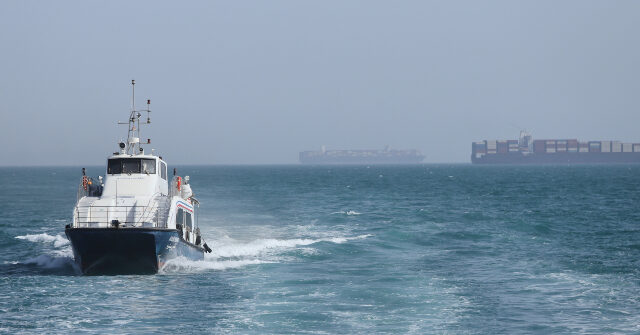

According to Breitbart News, U.S. Central Command announced that American forces began executing self-defense strikes at President Donald Trump’s direction at approximately 5 p.m. Eastern time. The operation was characterized as a proportional response to what the administration described as unjustified Iranian aggression.
The strikes focused on Iranian radar systems, air-defense installations, and command-and-control infrastructure positioned around the strategically vital Strait of Hormuz. Administration officials indicated the response was calibrated to address the helicopter incident without derailing active diplomatic engagement with the Islamic Republic.
Axios reported that a second wave of American strikes targeting additional Iranian air-defense and radar facilities was underway as the evening progressed.
President Trump announced earlier Tuesday that Iran had shot down the Apache during routine patrol operations over the strategic waterway. Writing on Truth Social, Trump stated he had been informed by military leadership that the Iranians downed one of America’s highly sophisticated Apache helicopters while it patrolled over the Strait of Hormuz.
Both pilots involved survived the incident without injury, though Trump emphasized that a response remained necessary. The president told ABC News Chief Washington Correspondent Jonathan Karl that military action was already in progress.
Trump characterized the operation as very strong and very powerful, describing it as directly responsive to the helicopter downing.
Pentagon assessments later concluded that an Iranian drone struck the Apache near the Strait of Hormuz, though investigators have not yet determined whether the aircraft was deliberately targeted or struck accidentally.
The helicopter went down off the coast of Oman in the early morning hours of Tuesday. Recovery teams retrieved both crew members unharmed approximately two hours later in what military officials described as the first operational rescue involving unmanned drone boat technology.
Captain Tim Hawkins, spokesman for U.S. Central Command, confirmed that the Navy’s Task Force 59 unmanned systems unit deployed an unmanned surface vessel to assist in locating and recovering the airmen. The Wall Street Journal reported that one senior defense official described the crew’s survival as a hand of God moment.
House Speaker Mike Johnson disclosed he was present in the White House Situation Room with President Trump and senior national security officials prior to the operation’s launch. Johnson described the strikes as proportional and limited, targeting Iranian radar, missile, and command-and-control facilities.
Administration officials have stressed that the military action was designed as a measured response rather than the opening salvo of wider conflict. One U.S. official told CNN the strikes amounted to a warning shot, while another told Axios that Washington does not anticipate the operation will derail ongoing negotiations.
Iranian officials immediately threatened retaliation following the American strikes.
Iranian Foreign Minister Abbas Araghchi, who is also serving as a principal negotiator in talks with the United States, wrote on X that despite American defeats on the battlefield, Washington had opted to test Iranian determination. Araghchi warned that Iran’s armed forces will leave no attack or threat unanswered.
The foreign minister further cautioned American forces to leave the region if they wished to remain safe, invoking the Persian Gulf’s history of dire fates for intruding outsiders.
The Iranian Revolutionary Guard Corps’ Aerospace Force issued its own warning, declaring that a heavy response would soon be delivered to counter hostile American actions.
Iranian state media reported explosions in Hormozgan Province, including around Qeshm Island and areas adjacent to the Strait of Hormuz, shortly after U.S. Central Command announced the commencement of operations.
Despite the military exchange, both capitals have continued to signal that diplomatic negotiations remain viable and active.
Vice President JD Vance told CBS News in an interview recorded before the strikes that the administration remains very close to finalizing an agreement addressing Iran’s nuclear program.
Vance indicated the deal could materialize within the next week, though he acknowledged it could also take months to conclude.
With information from Breitbart News





