
U.S. Patriot Missile Launches from Iraq Base Amid Erbil Attack
Defense analysts warn that escalating U.S.-Iran tensions in Iraq could spiral into broader regional conflict as proxy forces increase aggressive posturing with limited communication channels.
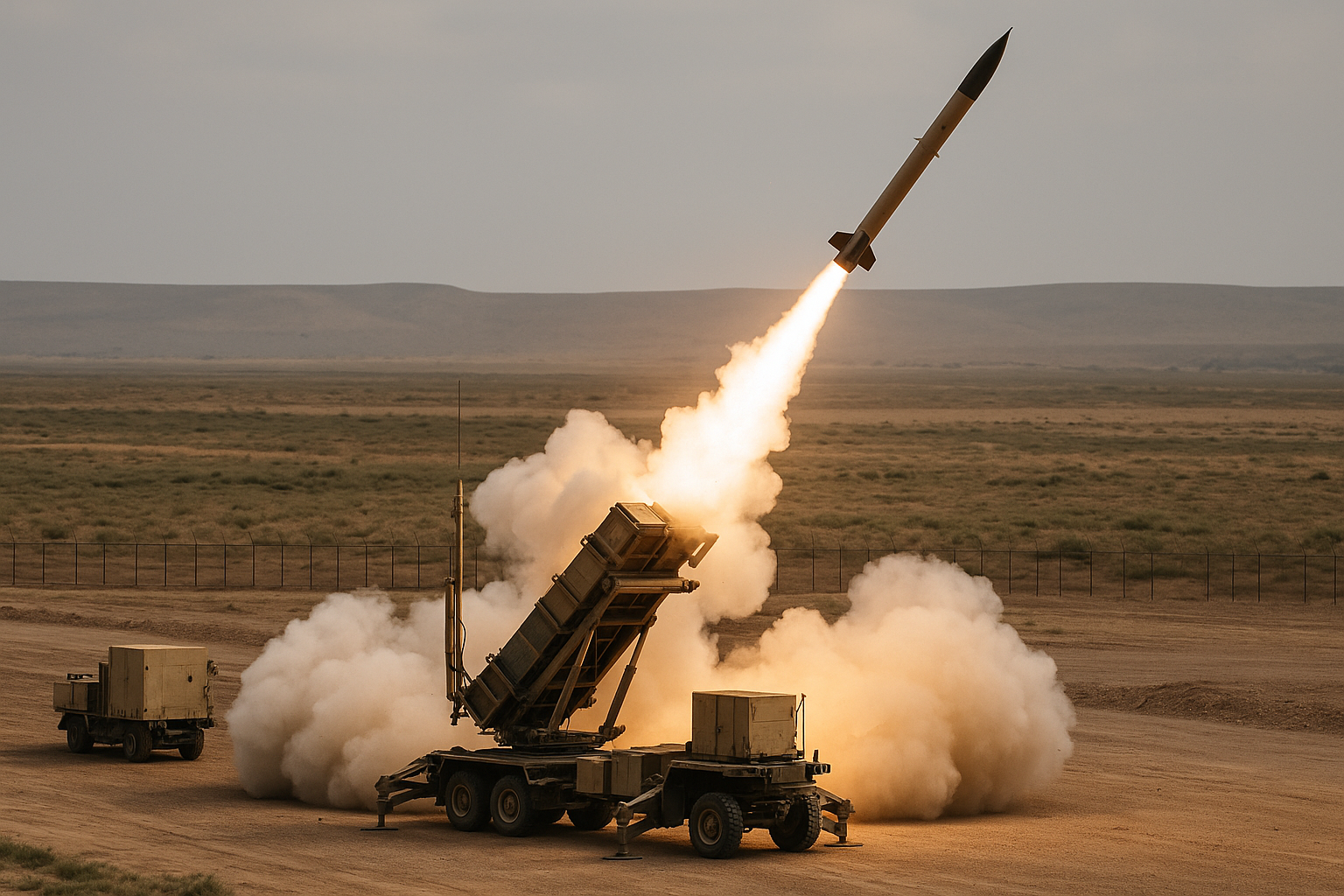

According to Telegram @OSINTLive, recent developments on Iraqi territory have exposed the fragile nature of the regional balance of power, with Washington and Tehran locked in an increasingly dangerous cycle of provocation and retaliation that shows no signs of abating.
Iraq: The Battleground for Proxy Warfare
Iraq has long served as a contested arena where American forces and Iranian-backed militia groups operate in close proximity, creating conditions ripe for miscalculation and direct confrontation. The latest incidents underscore how quickly localized skirmishes can escalate when both sides maintain substantial military footprints in the same theater.
Intelligence sources monitoring the situation have noted a marked increase in aggressive posturing from Iranian proxy forces operating across Iraqi provinces. These groups, which receive material and operational support from Tehran, have demonstrated growing confidence in challenging the American military presence that has persisted since the campaign against Islamic State militants.
Warning Signs of Wider Conflict
Defense experts are particularly concerned that the current trajectory could lead to miscalculations with devastating consequences. Unlike previous periods of tension that remained contained within manageable parameters, the present environment features multiple actors with competing interests and limited communication channels between adversaries.
The risk assessment has been complicated by Iran’s regional network of allied militias and its demonstrated willingness to respond asymmetrically to perceived threats. American forces stationed in Iraq find themselves vulnerable to attacks that Tehran can authorize while maintaining plausible deniability through proxy arrangements.
Implications for Regional Stability
The Iraqi government finds itself in an increasingly untenable position, caught between its security partnership with Washington and the reality of Iranian influence within its borders. Baghdad’s limited capacity to control militia groups operating nominally under state authority has created dangerous ambiguity about command structures and accountability.
Western military planners recognize that any significant escalation in Iraq would inevitably draw in regional powers and potentially disrupt critical energy supplies flowing through the Persian Gulf. The strategic calculus involves not only immediate military considerations but also the broader geopolitical implications for American credibility and deterrence posture.
As both sides maintain their presence and continue operations in contested spaces, the margin for error continues to shrink. What begins as tactical engagement on Iraqi soil carries the potential to ignite a conflict neither Washington nor Tehran claims to want, yet both seem willing to risk through their ongoing confrontation.
With information from Telegram @OSINTLive





