Necessary Cookies

Required for the site to function. Cannot be disabled.

Analytics Cookies

Help us understand how visitors interact with our site (Google Analytics via GTM).

Marketing Cookies

Used to track visitors and deliver personalised advertisements.

We use cookies to enhance your browsing experience and analyse site traffic. By clicking Accept All, you consent to our use of cookies. Privacy Policy
NewsFire Global
Home News Europe World Christianity Culture Wars Opinion Video
Information
About Us Authors Advertising Terms & Conditions Privacy Policy Contact
R2B Media
R2B NEWSFIRE.GR PAPAFOTIS.GR THRACTION HELLENIC CONSERVATIVES RIGHT2THEBONE YT
News World

U.S. Hits Iran Again After Trump Says Tehran ‘Tapping Us Along’

U.S. forces struck Iranian military targets Wednesday evening hours after President Trump vowed consequences for prolonged negotiations, with strikes beginning at 5:15 p.m. Eastern Time.

Newsroom
Newsroom Staff Writer
JUNE 11, 2026 AT 2:00 PM

According to Breitbart News, U.S. Central Command announced the operation began at 5:15 p.m. Eastern Time, targeting multiple locations across Iran under direct orders from the Commander in Chief. The strikes were described as a response to what CENTCOM termed Iran’s unwarranted and continuing aggression.

The military action came at the end of a day marked by escalating rhetoric from the White House, with Trump accusing the Iranian regime of deliberately stalling negotiations and warning that further delays would carry a steep price.

In a post on Truth Social earlier Wednesday, Trump declared that Iran had been completely defeated and ridiculed the regime as all talk and no action. He described the Islamic Republic as the bully of the Middle East and said its leaders had taken too long to negotiate a deal that would have been advantageous for them.

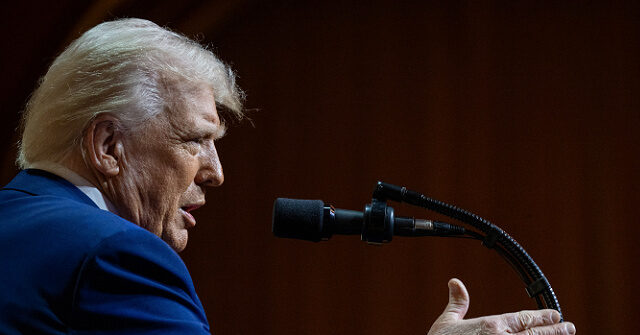
Trump later reinforced the message during an Oval Office appearance, telling reporters the United States was preparing to strike Iran again and expressing frustration with the pace of diplomatic talks.

War Secretary Pete Hegseth echoed the president’s position during remarks delivered from U.S. Central Command headquarters in Tampa, Florida. Hegseth said Iran still faced a choice between accepting a negotiated agreement and enduring additional military pressure.

CENTCOM would be busy that evening, Hegseth stated, because the president had ordered hard strikes on Iranian targets. He added that instead of continued delays, Tehran would now face bombs dropping on key facilities across the country.

Shortly after the operation commenced, Iranian media outlets reported explosions and air defense activity in multiple locations, including western Tehran and areas near the strategically critical Strait of Hormuz. Blasts were reported in Sirik, Minab, Bandar Abbas, Isfahan, and on Qeshm Island, as Breitbart News reports.

Senior U.S. officials briefed multiple media organizations that Wednesday night’s strikes focused on Iranian military infrastructure, including ammunition depots, command-and-control centers, warehouses, air defense batteries, and radar installations.

The Wall Street Journal, citing a senior U.S. official, reported that American forces were specifically targeting Iranian air defense and radar sites positioned near the Strait of Hormuz.

The strikes unfolded as the Trump administration maintained pressure on Tehran to respond to a standing U.S. proposal that officials believe could still serve as the foundation for a negotiated settlement.

Axios reported Wednesday that Trump convened senior national security officials to review additional military options, including a larger but time-limited operation designed to increase pressure on Iran and force movement in the stalled negotiations.

At the same time, Qatari mediators were in Tehran conducting discussions with Iranian officials in an attempt to revive momentum behind talks that have stagnated in recent weeks.

One U.S. official told Axios that while the deal remains on the table, Trump is prepared to exact a price from Iran if its leadership continues to delay a response to Washington’s latest proposal.

Hegseth similarly framed the military action as designed to compel a decision from Tehran while preserving the possibility of a diplomatic resolution. He said that if strikes needed to continue the following night, they would be equally strong and clear, and that President Trump remained prepared to finalize an agreement if Iran chose to accept it.

The escalation also took place amid deepening tensions surrounding the Strait of Hormuz, the critical waterway that remains central both to the military confrontation and to global energy markets.

As U.S. strikes were underway Wednesday evening, Iran’s top joint military command once again declared the strait closed to commercial shipping and oil tankers, warning that any vessels attempting to transit the waterway would be targeted.

The renewed threat came just hours after Trump publicly touted what he described as a covert U.S. military effort to keep commercial traffic moving through the strait despite Iranian attempts to block passage.

Earlier on Wednesday, Trump revealed he had authorized a secret mission to support commercial vessels transiting the Strait of Hormuz. He claimed the operation had enabled more than 200 ships to safely navigate the chokepoint and had facilitated the movement of over 100 million barrels of oil into global markets.

Trump stated that the United States, not Iran, now controls the Strait of Hormuz, crediting the success to American military capability and resolve.

With information from Breitbart News

Share:
Newsroom
Newsroom

NewsFire.GR is a website created with the hope that the media will rediscover their true identity, which is none other than informing the public about the real stakes of our times. Journalism and political analysis must hold power accountable, not serve it.

According to Breitbart News, U.S. Central Command announced the operation began at 5:15 p.m. Eastern Time, targeting multiple locations across Iran under direct orders from the Commander in Chief. The strikes were described as a response to what CENTCOM termed Iran’s unwarranted and continuing aggression.

The military action came at the end of a day marked by escalating rhetoric from the White House, with Trump accusing the Iranian regime of deliberately stalling negotiations and warning that further delays would carry a steep price.

In a post on Truth Social earlier Wednesday, Trump declared that Iran had been completely defeated and ridiculed the regime as all talk and no action. He described the Islamic Republic as the bully of the Middle East and said its leaders had taken too long to negotiate a deal that would have been advantageous for them.

Trump later reinforced the message during an Oval Office appearance, telling reporters the United States was preparing to strike Iran again and expressing frustration with the pace of diplomatic talks.

War Secretary Pete Hegseth echoed the president’s position during remarks delivered from U.S. Central Command headquarters in Tampa, Florida. Hegseth said Iran still faced a choice between accepting a negotiated agreement and enduring additional military pressure.

CENTCOM would be busy that evening, Hegseth stated, because the president had ordered hard strikes on Iranian targets. He added that instead of continued delays, Tehran would now face bombs dropping on key facilities across the country.

Shortly after the operation commenced, Iranian media outlets reported explosions and air defense activity in multiple locations, including western Tehran and areas near the strategically critical Strait of Hormuz. Blasts were reported in Sirik, Minab, Bandar Abbas, Isfahan, and on Qeshm Island, as Breitbart News reports.

Senior U.S. officials briefed multiple media organizations that Wednesday night’s strikes focused on Iranian military infrastructure, including ammunition depots, command-and-control centers, warehouses, air defense batteries, and radar installations.

The Wall Street Journal, citing a senior U.S. official, reported that American forces were specifically targeting Iranian air defense and radar sites positioned near the Strait of Hormuz.

The strikes unfolded as the Trump administration maintained pressure on Tehran to respond to a standing U.S. proposal that officials believe could still serve as the foundation for a negotiated settlement.

Axios reported Wednesday that Trump convened senior national security officials to review additional military options, including a larger but time-limited operation designed to increase pressure on Iran and force movement in the stalled negotiations.

At the same time, Qatari mediators were in Tehran conducting discussions with Iranian officials in an attempt to revive momentum behind talks that have stagnated in recent weeks.

One U.S. official told Axios that while the deal remains on the table, Trump is prepared to exact a price from Iran if its leadership continues to delay a response to Washington’s latest proposal.

Hegseth similarly framed the military action as designed to compel a decision from Tehran while preserving the possibility of a diplomatic resolution. He said that if strikes needed to continue the following night, they would be equally strong and clear, and that President Trump remained prepared to finalize an agreement if Iran chose to accept it.

The escalation also took place amid deepening tensions surrounding the Strait of Hormuz, the critical waterway that remains central both to the military confrontation and to global energy markets.

As U.S. strikes were underway Wednesday evening, Iran’s top joint military command once again declared the strait closed to commercial shipping and oil tankers, warning that any vessels attempting to transit the waterway would be targeted.

The renewed threat came just hours after Trump publicly touted what he described as a covert U.S. military effort to keep commercial traffic moving through the strait despite Iranian attempts to block passage.

Earlier on Wednesday, Trump revealed he had authorized a secret mission to support commercial vessels transiting the Strait of Hormuz. He claimed the operation had enabled more than 200 ships to safely navigate the chokepoint and had facilitated the movement of over 100 million barrels of oil into global markets.

Trump stated that the United States, not Iran, now controls the Strait of Hormuz, crediting the success to American military capability and resolve.

With information from Breitbart News

