
Trump’s Risky Iran Deal Raises Alarm Bells Among Critics
New York Post readers have harshly criticized President Trump's 60-day nuclear negotiation deal with Iran, comparing it to Chamberlain's appeasement and warning Tehran cannot be trusted.
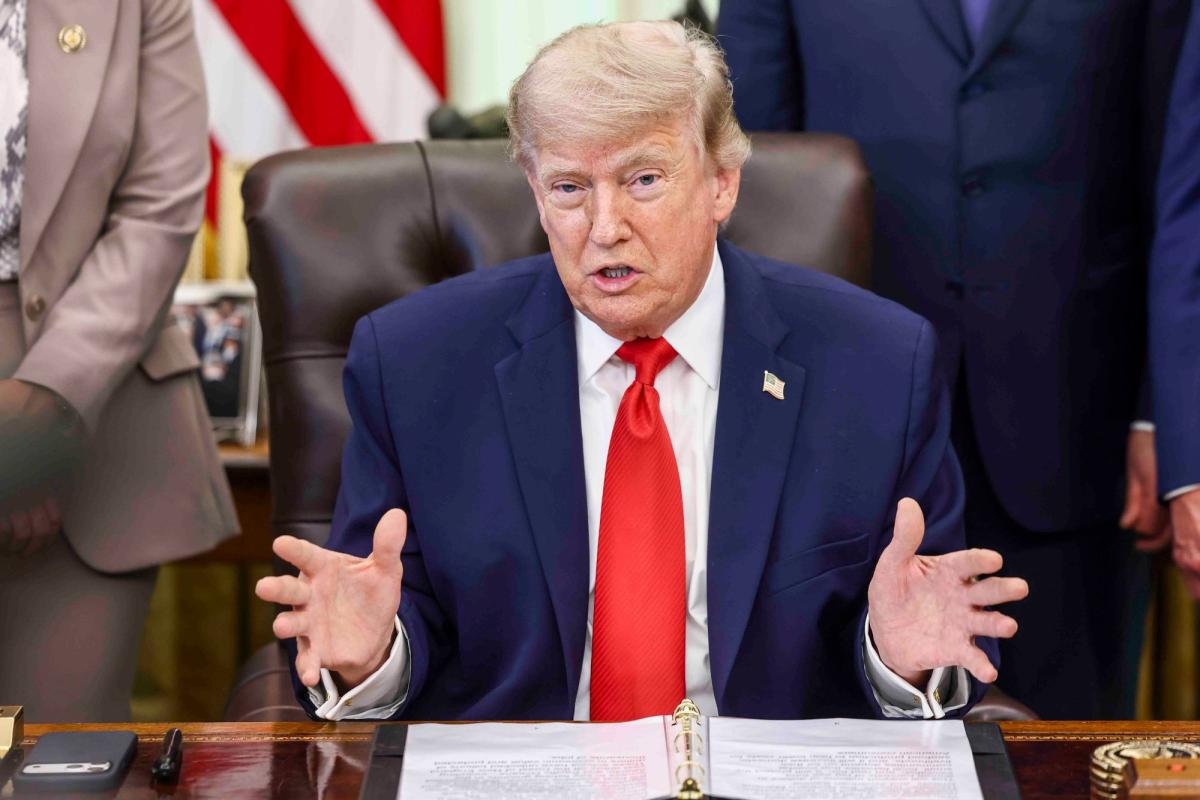

President Donald Trump’s newly inked agreement with Iran has sparked fierce backlash from New York Post readers who warn the 60-day negotiation window amounts to little more than a dangerous gamble with American security and Israeli survival.
The deal, which centers on talks regarding Iran’s nuclear program and terror financing, has generated a wave of criticism from concerned citizens who believe the Islamic Republic cannot be trusted to honor its commitments, as New York Post reports.
Larry Hootnick of Watermill warned that Tehran views any agreement merely as a tactical delay. He argued the Iranian regime remains committed to its ultimate objective of eliminating Israel, and will continue bankrolling proxy forces regardless of what documents are signed in diplomatic chambers.
The criticism intensified with Bob Heier from Estero, Florida, who contended Trump faces an adversary skilled in Islamic deception tactics. Heier referenced the concept of taqiyya and urged the president to pursue a military resolution rather than diplomatic engagement.
Regime Change Opportunity Missed
Michael Shapiro of Massapequa suggested Trump squandered a critical moment following Operation Epic Fury. When the president demanded unconditional surrender and Iran refused, that represented the optimal window for regime change rather than renewed negotiations.
Several readers questioned whether Trump’s legendary dealmaking prowess has met its match. Denis Anderer from Southold asked pointedly who the real dealmaker is in this scenario, wondering if granting Iran another 60 days simply provides more time for Tehran to devise fresh deceptions.
Echoes of Chamberlain’s Appeasement
Allen Schwartz of Manhattan drew stark historical parallels, comparing Iranian promises to abandon nuclear ambitions with Neville Chamberlain’s disastrous 1938 declaration of peace in our time. The comparison suggests contemporary diplomats remain dangerously naive about authoritarian regimes.
The Strait of Hormuz situation particularly troubled several correspondents who doubt Iranian assurances will prove worth the paper they’re printed on.
Louie Rey from Summerville, South Carolina, offered perspective on the recently concluded three-and-a-half-month conflict by honoring the 13 military members who lost their lives. He noted that figure matches exactly the number of service personnel killed in a single day at Kabul airport during Joe Biden’s catastrophic Afghanistan withdrawal.
Political Pressure and Economic Concerns
Multiple readers suggested domestic political considerations may have influenced the agreement’s timing. Yakov Moshe of Brooklyn questioned whether rising gasoline prices and midterm election anxieties drove the decision to conclude hostilities prematurely.
Seymour Srulowitz from Englewood, New Jersey, emphasized that Iran’s military stands severely weakened while its economy teeters on collapse. He argued a few additional months of sustained pressure could have yielded far more favorable terms for American interests.
Israel Left Vulnerable
The agreement’s implications for Israeli security generated particular alarm. Rob Feuerstein of Staten Island warned that Iran will surely continue financing Hezbollah, Hamas, and the Houthis with whatever funds are released through sanctions relief.
The situation in Lebanon and along Israel’s northern border remains unresolved, leaving both Israelis and non-Hezbollah Lebanese populations in a state of anxiety about their security prospects.
Thomas Lax from Woodmere delivered perhaps the sharpest rebuke, invoking Trump’s own words following the Butler, Pennsylvania assassination attempt. The president had stated divine intervention saved him for a righteous purpose. Lax suggested betraying Israel through a weak Iran deal certainly was not that purpose.
Despite the criticism, Colette Curry of Staten Island defended Trump’s efforts, arguing he has worked tirelessly to enhance global security but faces obstruction from all directions. She contended that with proper support domestically and internationally, the president could have secured a deal of a lifetime, but Trump Derangement Syndrome continues to undermine his agenda.
With information from New York Post





