Necessary Cookies

Required for the site to function. Cannot be disabled.

Analytics Cookies

Help us understand how visitors interact with our site (Google Analytics via GTM).

Marketing Cookies

Used to track visitors and deliver personalised advertisements.

We use cookies to enhance your browsing experience and analyse site traffic. By clicking Accept All, you consent to our use of cookies. Privacy Policy
NewsFire Global
Home News Europe World Christianity Culture Wars Opinion Video
Information
About Us Authors Advertising Terms & Conditions Privacy Policy Contact
R2B Media
R2B NEWSFIRE.GR PAPAFOTIS.GR THRACTION HELLENIC CONSERVATIVES RIGHT2THEBONE YT
News World

Trump’s Iran Deal Empowers Mullahs, Betrays Protesters Say Dissidents

Iranian dissidents express anger over the U.S.-Tehran peace deal, fearing it will entrench the regime and enable increased repression following protests that left thousands dead.

Newsroom
Newsroom Staff Writer
JUNE 16, 2026 AT 5:45 PM

According to New York Post, many Iranians who have risked their lives opposing the regime feel betrayed as details of the understanding between the United States and the Islamic Republic come to light.

Khosro Isfahani, research director at the Washington-based National Union for Democracy in Iran think tank, told New York Post that Iranian opposition figures are troubled by the regime remaining in power and positioned to receive economic relief from Washington.

He warned that dissidents fear this outcome will embolden the Islamic Republic and enable it to redirect its humiliation at American hands into violent retribution against unarmed Iranian citizens.

President Trump had previously signaled robust American action against the Tehran regime, citing in part the deaths of thousands of anti-government protesters. On January 13, he posted on Truth Social that help was coming for Iranians suffering under the regime.

Hessam Rahimian, founder of the Arizona-based Iranian Liberty Foundation, described feeling unhappy, upset, and angry about the weekend agreement. He characterized it as devastating, noting that for approximately 30 days the Iranian people had harbored hope of gaining freedom.

Mass Protests Met With Deadly Force

Tens of thousands of Iranians flooded the streets during December and January to protest catastrophic inflation that has made even basic staples like bread and meat unaffordable for many in the country of 93 million.

The regime’s response was brutal. Security forces opened fire on crowds, killing as many as 30,000 people according to some estimates. Survivors faced arrest, with dissident groups and refugees reporting widespread torture and imprisonment in the regime’s notorious detention facilities.

Regime Resilience Concerns

Analysts warn that if hostilities conclude under current terms, the Islamic Republic will be able to demonstrate to its population that the regime cannot be overthrown.

Danny Citrinowicz, a fellow at the Atlantic Council’s Middle East Programs, said the Iranian leadership could emerge from its most serious challenge in decades having proven its resilience, maintained control, and shown willingness to absorb significant costs while protecting core regime interests. Such an outcome would likely bolster rather than diminish the confidence of the ruling elite, he noted.

Maryam Rajavi, president-elect of the National Council of Resistance of Iran, took a more cautiously optimistic view, suggesting the deal restricts Iran’s capacity for aggression. However, she insisted any international agreement must mandate an end to the execution of political prisoners and the killing of protesters, practices that have continued under the regime.

Hardliners Also Dissatisfied

Discontent over the agreement extends to Iranian hardliners as well, with regime supporters reportedly upset that Tehran’s negotiators capitulated prematurely and fearing the deal places Iran under direct American influence.

Parliament hardliner Mahmoud Nabavian stated in an interview that Iran would effectively become a colony of the United States under the agreement.

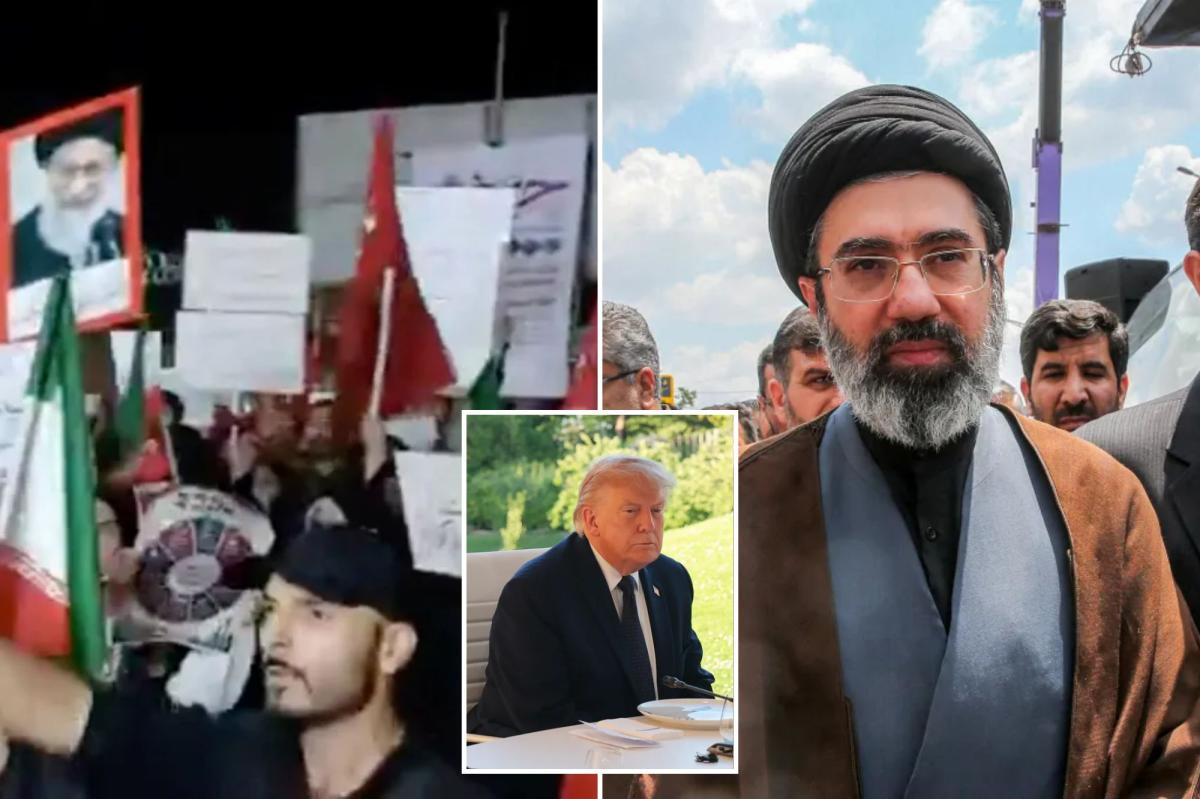
Pro-regime demonstrations in Tehran over the weekend targeted top Iranian negotiators Abbas Araghchi and Mohammad Bagher Ghalibaf, with participants saying their responsibility was to craft a deal that avenged slain Supreme Leader Ali Khamenei.

Isfahani told New York Post that with both extremes pushing back, Iran’s future hinges on the actual contents of the Memorandum of Understanding. He urged a wait-and-see approach to evaluate what was actually agreed upon and how enforcement will proceed.

While acknowledging genuine progress in weakening the Islamic Republic, he emphasized the work remains incomplete as long as the regime continues to stand.

With information from New York Post

Share:
Newsroom
Newsroom

NewsFire.GR is a website created with the hope that the media will rediscover their true identity, which is none other than informing the public about the real stakes of our times. Journalism and political analysis must hold power accountable, not serve it.

According to New York Post, many Iranians who have risked their lives opposing the regime feel betrayed as details of the understanding between the United States and the Islamic Republic come to light.

Khosro Isfahani, research director at the Washington-based National Union for Democracy in Iran think tank, told New York Post that Iranian opposition figures are troubled by the regime remaining in power and positioned to receive economic relief from Washington.

He warned that dissidents fear this outcome will embolden the Islamic Republic and enable it to redirect its humiliation at American hands into violent retribution against unarmed Iranian citizens.

President Trump had previously signaled robust American action against the Tehran regime, citing in part the deaths of thousands of anti-government protesters. On January 13, he posted on Truth Social that help was coming for Iranians suffering under the regime.

Hessam Rahimian, founder of the Arizona-based Iranian Liberty Foundation, described feeling unhappy, upset, and angry about the weekend agreement. He characterized it as devastating, noting that for approximately 30 days the Iranian people had harbored hope of gaining freedom.

Mass Protests Met With Deadly Force

Tens of thousands of Iranians flooded the streets during December and January to protest catastrophic inflation that has made even basic staples like bread and meat unaffordable for many in the country of 93 million.

The regime’s response was brutal. Security forces opened fire on crowds, killing as many as 30,000 people according to some estimates. Survivors faced arrest, with dissident groups and refugees reporting widespread torture and imprisonment in the regime’s notorious detention facilities.

Regime Resilience Concerns

Analysts warn that if hostilities conclude under current terms, the Islamic Republic will be able to demonstrate to its population that the regime cannot be overthrown.

Danny Citrinowicz, a fellow at the Atlantic Council’s Middle East Programs, said the Iranian leadership could emerge from its most serious challenge in decades having proven its resilience, maintained control, and shown willingness to absorb significant costs while protecting core regime interests. Such an outcome would likely bolster rather than diminish the confidence of the ruling elite, he noted.

Maryam Rajavi, president-elect of the National Council of Resistance of Iran, took a more cautiously optimistic view, suggesting the deal restricts Iran’s capacity for aggression. However, she insisted any international agreement must mandate an end to the execution of political prisoners and the killing of protesters, practices that have continued under the regime.

Hardliners Also Dissatisfied

Discontent over the agreement extends to Iranian hardliners as well, with regime supporters reportedly upset that Tehran’s negotiators capitulated prematurely and fearing the deal places Iran under direct American influence.

Parliament hardliner Mahmoud Nabavian stated in an interview that Iran would effectively become a colony of the United States under the agreement.

Pro-regime demonstrations in Tehran over the weekend targeted top Iranian negotiators Abbas Araghchi and Mohammad Bagher Ghalibaf, with participants saying their responsibility was to craft a deal that avenged slain Supreme Leader Ali Khamenei.

Isfahani told New York Post that with both extremes pushing back, Iran’s future hinges on the actual contents of the Memorandum of Understanding. He urged a wait-and-see approach to evaluate what was actually agreed upon and how enforcement will proceed.

While acknowledging genuine progress in weakening the Islamic Republic, he emphasized the work remains incomplete as long as the regime continues to stand.

With information from New York Post

