
Trump vows US will be ‘guardian angel’ of Strait of Hormuz
President Trump announced the U.S. will control the Strait of Hormuz and charge for protection after airstrikes on Iran, escalating tensions over the vital oil shipping channel.
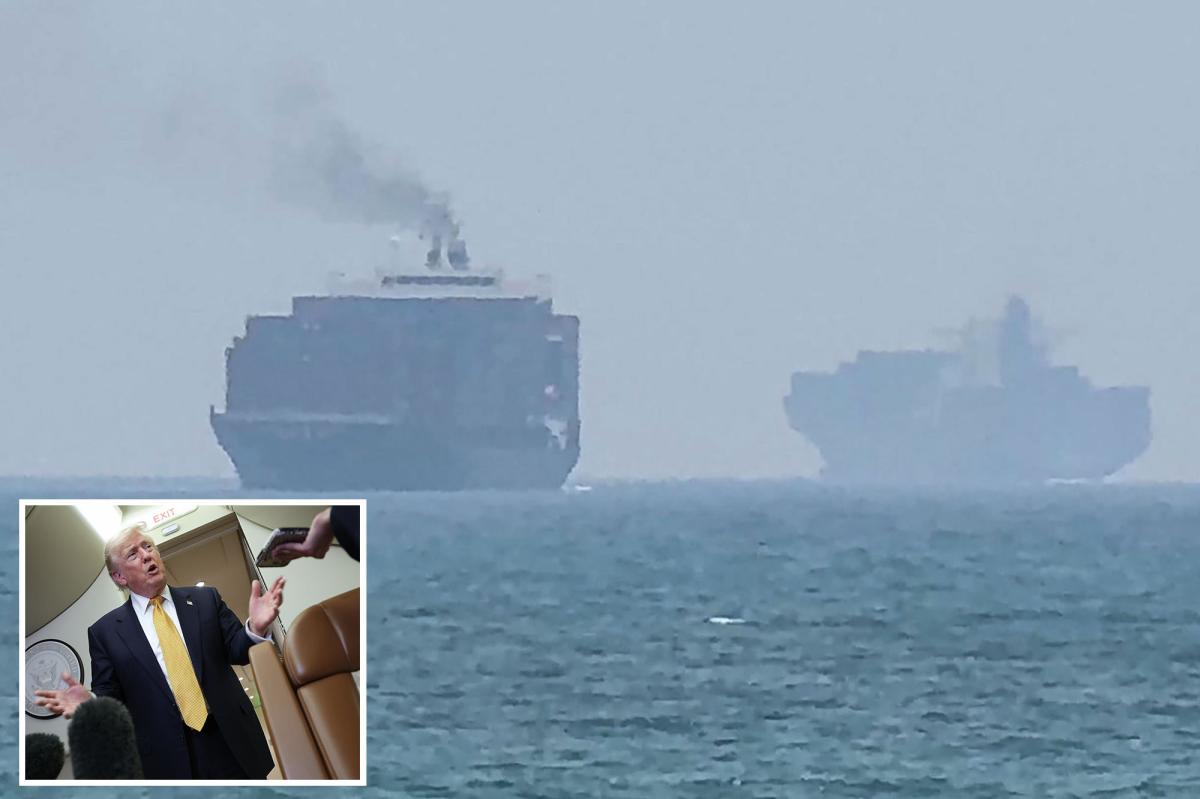

Speaking to Fox & Friends on Monday, Trump dismissed Iranian claims that the critical shipping channel has been closed, according to New York Post columnist Ryan King. The 80-year-old president declared that America would become the guardian of the strait and suggested the U.S. should receive compensation for securing the passage.
The president stated that Washington would maintain control of the waterway and potentially charge for protection services, a reversal from past American policy of providing security without direct payment. He indicated that the United States had previously safeguarded the strait without reimbursement but would now seek compensation for its role.
Critical Global Chokepoint at Stake
Prior to the launch of Operation Epic Fury on February 28, approximately one-fifth of the world’s seaborne oil shipments passed through the Strait of Hormuz each year, underscoring its immense importance to global energy markets and the broader economy.
The current crisis emerged after the collapse of what appeared to be a promising diplomatic breakthrough. The White House had successfully negotiated an extended ceasefire with Iran in early April, followed by a preliminary peace agreement—a memorandum of understanding—last month. However, the arrangement has disintegrated over competing claims regarding control of the strait and concerns about economic ramifications.
Competing Claims Over Waterway Control
Tehran has insisted that the strait is closed and maintains that only Iran possesses the authority to control the passage, potentially imposing fees on vessels transiting the waterway. The U.S. military and President Trump have rejected this position, asserting that the strait remains open to international shipping.
Trump expressed frustration with Iran’s negotiating record during Monday’s interview, stating that America had reached approximately ten agreements with the Islamic Republic, all of which Tehran subsequently violated. The president indicated that Washington would respond with overwhelming force to Iranian actions.
Massive Strike Campaign Intensifies
American forces hit roughly 140 targets across Iran on Sunday night, according to U.S. Central Command. The strikes targeted missile and drone launch facilities, ammunition storage sites, communications infrastructure, and additional military installations. The operation represented a significantly more intensive assault than two earlier rounds of strikes conducted over the preceding week.
Trump claimed that Iranian forces were in retreat and that most of their military equipment had been destroyed, including air defense systems. He vowed that Washington would continue to strike hard whenever Tehran launches drone attacks.
Regional Retaliation and Casualties
Iran responded to the American bombardment by firing projectiles at Bahrain, Kuwait, Qatar, Jordan, and Oman—the latter sharing territorial waters with Iran that form the strait. No immediate information was available regarding damage or casualties among U.S. partner nations from the Iranian counter-strikes.
State media in Tehran confirmed the latest attacks on Iranian territory early Monday, reporting explosions in multiple locations with at least one fatality.
The Sunday night American strikes followed an Iranian assault on a container vessel, continuing the pattern of escalating attacks that prompted Trump to declare the ceasefire finished last week. Despite the renewed hostilities, mediators from Egypt, Pakistan, and Qatar are continuing efforts to broker a comprehensive peace agreement between the adversaries.
With information from New York Post





