
Trump Announces Iran Peace Deal Sunday, Says Tehran Drops Nuke Plans
President Trump announced the U.S. will sign a peace agreement with Iran on Sunday prohibiting nuclear weapons development, with no financial payments to Tehran unlike the 2015 deal.
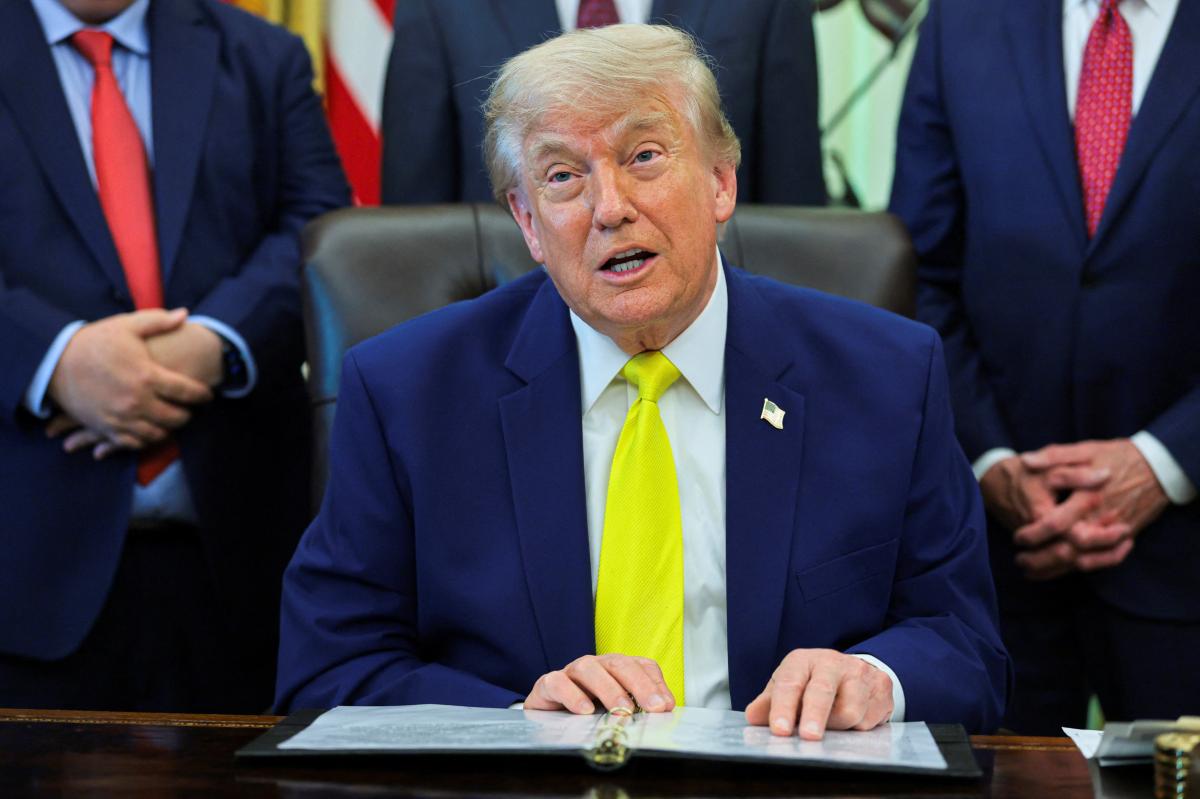

According to New York Post, Trump confirmed that the agreement represents a fundamental shift in US-Iranian relations, with the deal set to immediately reopen the strategically vital Strait of Hormuz shipping corridor once signatures are secured.
Donald Trump characterized the accord as a definitive barrier preventing Iran from obtaining nuclear weapons through any means, including purchase, development, or other forms of procurement. The president stated that Tehran has abandoned its nuclear weapons ambitions entirely.
Trump addressed the complex issue of Iran’s existing stockpile of highly enriched uranium, acknowledging this matter would be resolved at a later stage when conditions stabilize. He indicated that the United States would retrieve and neutralize what he termed “Nuclear Dust” buried beneath Iranian mountain ranges, utilizing B-2 bombers if necessary to access the materials for downblending and destruction.
The president drew a sharp contrast between his administration’s approach and the 2015 Joint Comprehensive Plan of Action negotiated under Barack Obama. Unlike the Obama-era agreement, Trump emphasized, no financial payments would be made to Iran, as New York Post reports. This marks a significant departure from previous arrangements that saw hundreds of billions transferred to Tehran, including $1.7 billion delivered in physical currency.
Iran had pressed during recent negotiations for the release of $24 billion in frozen assets currently held under US sanctions. The Trump administration rejected these demands.
The announcement follows months of indirect negotiations between Washington and Tehran conducted through intermediary nations. Pakistani Prime Minister Shehbaz Sharif indicated earlier that technical-level discussions would commence next week to address remaining implementation details.
Outstanding issues include establishing protocols for destroying Iran’s highly-enriched uranium stockpile and verification mechanisms to ensure Tehran’s commitment to remain permanently non-nuclear. Trump warned that if the diplomatic process fails, the United States retains what he called the “ultimate alternative,” though he expressed hope such measures would never again be necessary.
The Strait of Hormuz, through which roughly one-fifth of global oil supplies pass, has been a recurring flashpoint between Washington and Tehran. The immediate reopening of this critical waterway forms a central component of the scheduled agreement.
With information from New York Post





