Tories Seek Farage Challenger Amid ‘Uniparty’ Deal Concerns
The Conservative Party has begun searching for a candidate to challenge Nigel Farage in Clacton after controversy over a potential electoral pact with Labour alarmed right-wing voters.
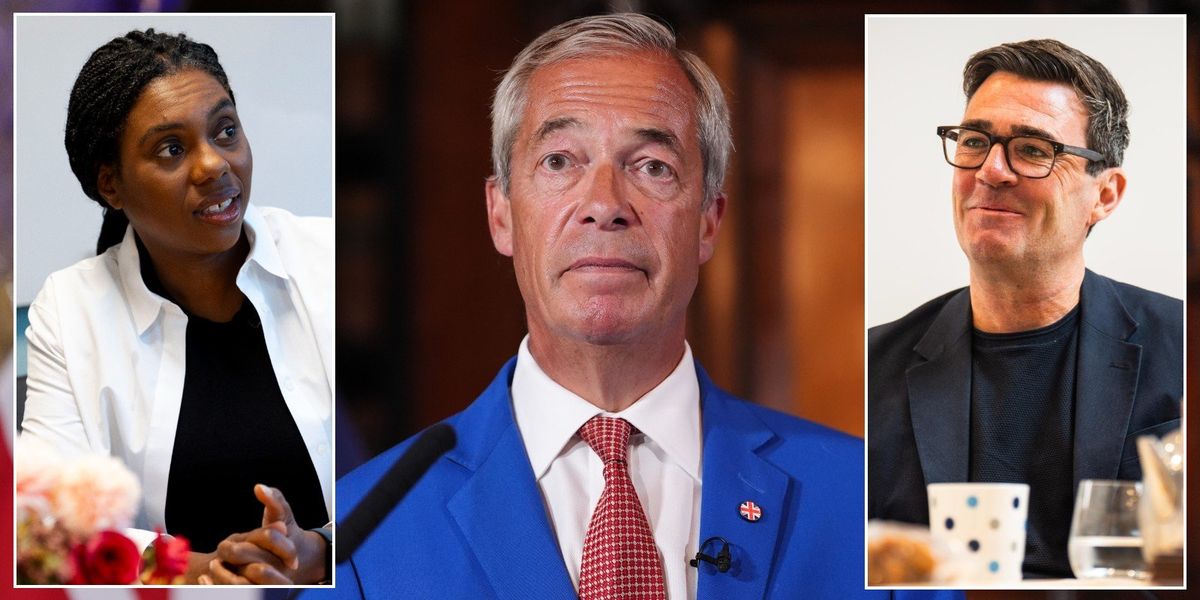

According to Jack Walters writing in GB News, the formal selection process for a Conservative candidate in Clacton will commence next month, with approved Tory candidates now being invited to put their names forward.
Nigel Farage, who first won the Clacton seat in 2024, retained it last week in a by-election he himself triggered after revelations emerged about a £5 million gift from Thailand-based cryptocurrency billionaire Christopher Harborne. The Reform UK leader has dismissed suggestions that another by-election could take place in the constituency later this year.
Kemi Badenoch launched the candidate search just days after Conservative insiders floated the possibility of striking a deal with Labour in the seaside seat, a proposal that has sparked concerns among conservative voters about cooperation between the two main establishment parties.
The September candidate selection round will also include several other constituencies beyond Clacton, among them Robert Jenrick’s Newark seat, as well as Aylesbury, Chelsea & Fulham, Hendon, Maidstone & Malling, North East Hampshire, Poole, Redditch, Ribble Valley, and South West Norfolk.
Former Conservative MP Giles Watling has opened the door to a potential return to frontline politics following Farage’s decision to call the by-election earlier this summer. Watling, a theatre actor born and raised in Clacton, lost to Farage by 8,405 votes in 2024.
In the 2019 General Election, Watling secured a commanding victory with 31,438 votes, a figure that exceeds Farage’s by-election tally of 22,239 votes from last week. However, there is no guarantee that Watling will seek to reclaim the seat he once held.
The developments come amid growing unease among conservative grassroots voters about potential collaboration between the Conservative and Labour parties, with critics warning such arrangements could validate accusations of a Westminster establishment ‘uniparty’ that prioritises institutional consensus over ideological distinction.
With information from GB News