President Frank-Walter Steinmeier's awarding of Germany's Federal Cross of Merit to former SPD leader Sigmar Gabriel has drawn criticism over both politicians' history of close ties to Russia.
The SPD’s Russia problem extends from its elder statesmen to current leadership. Gerhard Schröder remains the most visible symbol of Social Democratic entanglement with Russian interests, having taken lucrative positions with Russian energy companies after leaving office. His personal friendship with Putin has become an embarrassment the party cannot shake.
Even figures like Klaus von Dohnanyi continued expressing understanding for Putin’s position well into the current conflict. Meanwhile, Mecklenburg-Western Pomerania Minister President Manuela Schwesig established a controversial climate foundation widely viewed as a vehicle to circumvent sanctions against Russia and ensure completion of Nord Stream 2.
Photo: nius.de
Hypocrisy on Display
The SPD’s routine accusations that the AfD serves as Kremlin servants ring hollow given this extensive record. For decades, Social Democratic foreign policy was characterized by economic opportunism disguised as diplomatic wisdom, energy dependence presented as pragmatism, and accommodation of Russian aggression framed as peace-making.
The party that spent years dismissing warnings about Russian intentions, that built Germany’s catastrophic energy dependence on Moscow, and that maintained personal and political networks intertwined with Kremlin interests now presents itself as guardian of Western values. The Steinmeier-Gabriel ceremony serves as a pointed reminder that the SPD’s Russia reckoning remains incomplete and its moral authority on the subject highly questionable.
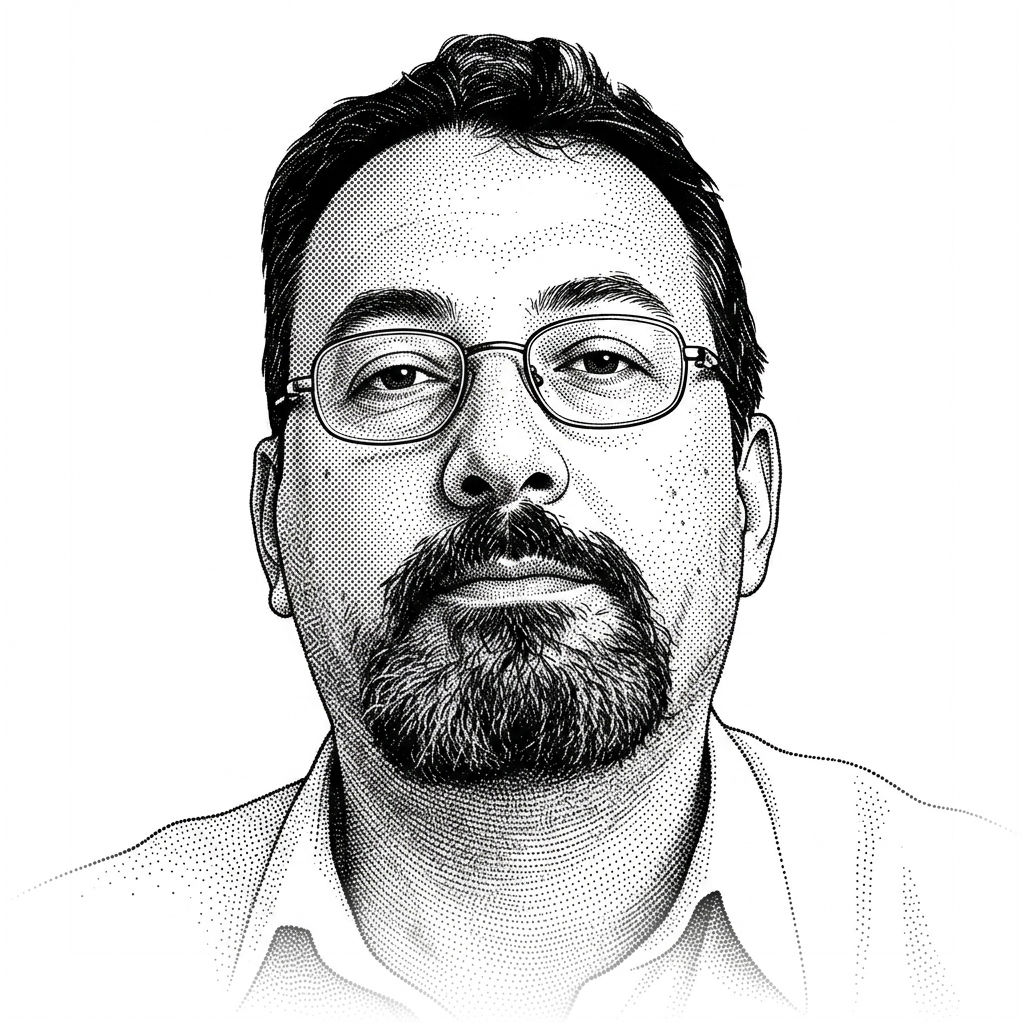
Dimitris Papafotis is the editor-in-chief of NewsFire.GR. He was born and raised in Athens. He studied at the Journalism Workshop (1991-1993). He currently lives in Pyrgos, Ilia, where he has been active in radio and various newspapers, while also maintaining his personal blog, Papafotis.gr.
According to Nius, Gabriel received the honor for his contributions to German-American relations, an irony that has not been lost on observers given both men’s well-documented history of cultivating warm relations with Russia. The award ceremony effectively saw one architect of SPD Russia policy honoring another, with neither able to escape their shared legacy of accommodation toward the Kremlin.
Steinmeier’s Legacy of Russian Accommodation
Frank-Walter Steinmeier, who served as Foreign Minister from 2005, built a reputation for his Russia-friendly stance. He initiated the so-called modernization partnership with Moscow and styled himself as continuing Willy Brandt’s Ostpolitik policy of “change through rapprochement”—though critics suggested it looked more like change through appeasement.
Photo: nius.de
Steinmeier consistently demonstrated understanding for Russian positions. In 2016, he criticized NATO exercises in Eastern Europe, warning against inflaming tensions through saber-rattling and warmongering. He championed pipeline projects as bridges to Russia. A photograph from the 2016 Munich Security Conference captured the relationship perfectly: Russian Foreign Minister Sergei Lavrov placing his hand on the seated Steinmeier’s shoulder as he passed, with Steinmeier reaching back to grasp the Russian official’s arm.
Gabriel’s Pipeline Advocacy and Energy Blindness
Sigmar Gabriel belonged to the Moscow circle around Gerhard Schröder. As Foreign Minister from March 2017 to March 2018, he pursued a pragmatic, dialogue-focused and economically oriented approach to Moscow. While criticizing the Crimean annexation, he simultaneously emphasized the necessity of closer Russian engagement, economic cooperation, and gradual sanctions relief tied to progress on the Minsk Agreement.
As both Economics Minister and Foreign Minister, Gabriel strongly advocated for the Nord Stream 2 project to strengthen energy relations. He sharply criticized U.S. sanctions against European companies involved in the pipeline. He rejected the notion that Russia could use gas as a political weapon. During his inaugural visit to Moscow in 2017, he called for détente and warned against a new arms race.
After Russia’s full-scale invasion of Ukraine in 2022, Gabriel admitted to having underestimated Putin, conceding that the dependence on Nord Stream 2 represented one of the greatest mistakes in German foreign policy in which he had participated.
A Network of Putin Apologists and Pipeline Lobbyists
The Ukraine war placed the Social Democrats in considerable explanatory distress. While the party now occasionally acknowledges incorrect assessments, it was not merely naivité that allowed them to maintain close Kremlin relations for decades. When SPD politicians now accuse the AfD of Putin proximity, they conveniently forget what was standard practice for years: a trusting relationship with Moscow that had to be protected against Western saber-rattling and with which Germany could never sign enough trade agreements.
Photo: nius.de
While other parties corrected their Russia policy after the 2014 Crimean annexation and certainly after the 2022 full-scale invasion, a network of Putin apologists, pipeline lobbyists and détente ideologues remained active within the SPD. The party remains dependent on cheap Russian gas, blind to imperial ambitions, and divided to this day between official support for Ukraine and a deep-seated desire for dialogue with Moscow.
Platzeck’s Secret Moscow Missions
Former SPD chairman and Brandenburg Minister President Matthias Platzeck traveled repeatedly to Moscow for confidential talks in recent years. He presents this as active diplomacy and an attempt to keep diplomatic channels open during wartime. Between February 2022 and mid-2025 alone, Platzeck traveled to Moscow at least nine times, as Nius reports citing research from Der Spiegel and FAZ.
Platzeck was one of the most prominent SPD politicians advocating for accommodation with Russia after the Crimean annexation. In November 2014, he stated that the annexation of Crimea must be subsequently regulated under international law in a manner acceptable to all—which effectively meant accepting Russian territorial gains.
Photo: nius.dePhoto: nius.de
The Schröder Shadow and Current SPD Leadership
The SPD’s Russia problem extends from its elder statesmen to current leadership. Gerhard Schröder remains the most visible symbol of Social Democratic entanglement with Russian interests, having taken lucrative positions with Russian energy companies after leaving office. His personal friendship with Putin has become an embarrassment the party cannot shake.
Photo: nius.dePhoto: nius.de
Even figures like Klaus von Dohnanyi continued expressing understanding for Putin’s position well into the current conflict. Meanwhile, Mecklenburg-Western Pomerania Minister President Manuela Schwesig established a controversial climate foundation widely viewed as a vehicle to circumvent sanctions against Russia and ensure completion of Nord Stream 2.
Photo: nius.de
Hypocrisy on Display
The SPD’s routine accusations that the AfD serves as Kremlin servants ring hollow given this extensive record. For decades, Social Democratic foreign policy was characterized by economic opportunism disguised as diplomatic wisdom, energy dependence presented as pragmatism, and accommodation of Russian aggression framed as peace-making.
The party that spent years dismissing warnings about Russian intentions, that built Germany’s catastrophic energy dependence on Moscow, and that maintained personal and political networks intertwined with Kremlin interests now presents itself as guardian of Western values. The Steinmeier-Gabriel ceremony serves as a pointed reminder that the SPD’s Russia reckoning remains incomplete and its moral authority on the subject highly questionable.