
Sun Belt hot spot nearing 1M tells newcomers: ‘We’re full
Charlotte, North Carolina, has become America's fastest-growing city with nearly 21,000 new residents in one year, but housing costs surged 89 percent since 2020, frustrating longtime residents.
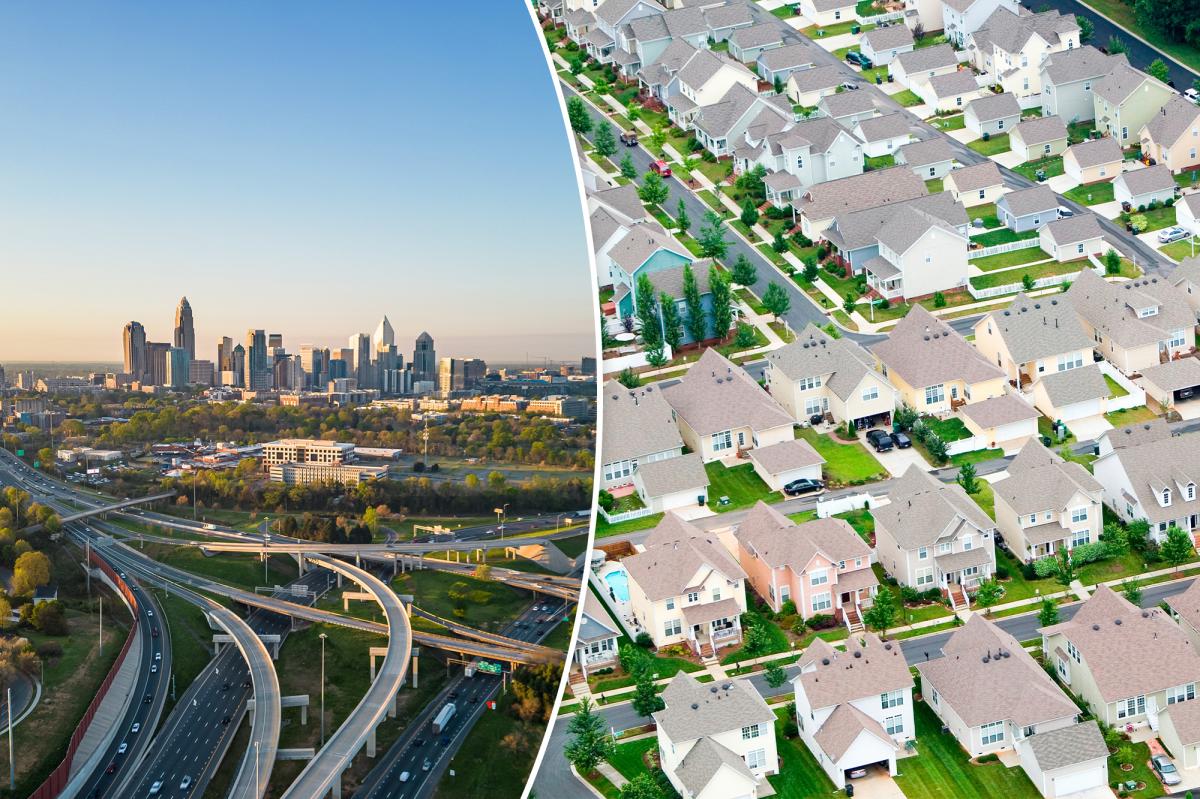

According to New York Post, the city known as the “Queen City” and home to Bank of America is rapidly approaching a population of one million, prompting locals to declare that their community is full. Between 2024 and 2025 alone, Charlotte absorbed nearly 21,000 new residents, outpacing every other American city according to census data. The influx has pushed the city’s total population to 964,784.
The surge represents a dramatic shift for a city that during the pandemic years positioned itself as an attractive alternative to overcrowded metros like New York and Atlanta. Charlotte, along with Raleigh located three hours away, drew waves of transplants seeking lower costs and better quality of life. Now those same newcomers are experiencing the very congestion and expense they sought to escape.
Dennis Cirillo, who relocated to Charlotte from New York in 2017, captured the sentiment when he told New York Post that he had simply traded the Long Island Expressway for Interstate 485. It is the same movie with different accents, he said.
Housing Costs Surge 89 Percent
The population explosion has triggered a housing affordability crisis. In 2020, the average family required an annual income of approximately $79,000 to afford the typical home in Charlotte. By 2025, according to the UNC Charlotte Housing Report, that figure has ballooned to roughly $150,000, representing an 89 percent increase in just five years.
Median home values paint an equally stark picture. In 2019, the area’s median home stood at $238,000. By 2024, it had jumped to $407,000.
Construction Boom Fuels Resentment
The physical transformation of Charlotte has become a flashpoint for resident frustration. Construction cranes dominate the skyline as apartment complexes multiply across the city. Longtime locals, squeezed by rising housing costs, resent the new development that fails to address affordability concerns. Traffic congestion has deteriorated significantly.
Andrew Blumenthal, a real estate broker and vice chair of Charlotte’s planning commission, offered a blunt assessment of the city’s trajectory. There is no equilibrium for a city, he explained to the outlet. Either a city is growing or it is not.
The Charlotte situation exemplifies broader trends across Sun Belt cities that marketed themselves as affordable havens during the COVID era, only to face the consequences of their own success as transplants replicate the very conditions they sought to leave behind.
With information from New York Post





