
Spanish Defense Firms Offer New Fighter After FCAS Collapse
Six Spanish defense companies offered to help develop a new European fighter jet after France and Germany abandoned their Future Combat Air System programme due to disputes over control and workshare.
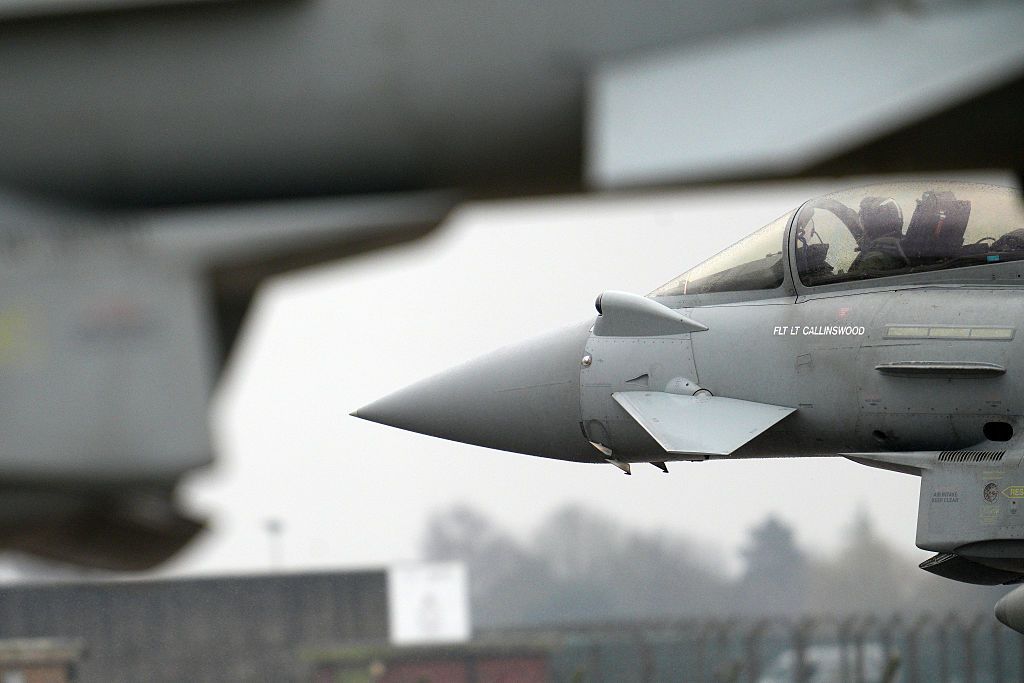

The Future Combat Air System, a sixth-generation warplane scheduled to enter service around 2040, had been promoted as the defining test of European defence cooperation and strategic autonomy. Berlin and Paris scrapped the core fighter component on June 8 following years of disputes over industrial control and workshare, according to Brussels Signal.
In a joint statement issued on June 11, six Spanish firms—Indra, the Spanish division of Airbus, GMV, Sener, ITP, and Grupo Oesía—declared their readiness to collaborate with Spain and any willing partners on a next-generation combat system. The companies warned that the defence sector could not afford to waste more time.
The firms said extended uncertainty threatened their own capabilities and resources, as well as the stability of their partners and supply chains across the sector.
Spanish defence minister Margarita Robles condemned the programme’s failure as very worrying for Europe and for European strategic autonomy. She accused the manufacturers of prioritising commercial interests over the continent’s security needs, and pledged that Spain would reach out to other nations to keep a joint project alive.
The Future Combat Air System had been led by France’s Dassault and by Airbus, which represented German and Spanish interests. The two sides could not resolve fundamental disagreements over programme control, workshare, and intellectual property rights.
What Remains of FCAS
France and Germany said they would continue work on a digital combat cloud linking aircraft, drones, and satellites, the project’s second major pillar. An Airbus-led consortium of German firms, operating under the name Team Gen 6, has formed to pursue a replacement fighter independently.
The Spanish companies signalled a preference for a broader multinational effort, leaving the door open to alignment with the British-Italian-Japanese Global Combat Air Programme or with Sweden’s Saab.
Shares in Indra, which led Spain’s work on sensors and electronic systems, fell almost 5 per cent after the collapse was confirmed.
Strategic Setback
The breakdown deals a significant blow to European leaders who have pledged greater military independence as President Donald Trump casts doubt on United States security guarantees and Russia’s war in Ukraine grinds on. It leaves Europe without a unified sixth-generation fighter platform and highlights the gap between European rhetoric on strategic autonomy and the reality of delivering large-scale defence programmes.
With information from Brussels Signal





