
Spain Sends Troops to Ceuta as Border Collapses, 9 Dead
Up to 3,000 illegal migrants swam from Morocco into Spain's Ceuta enclave, overwhelming authorities and prompting Madrid to deploy 60 soldiers and 200 police to restore order.
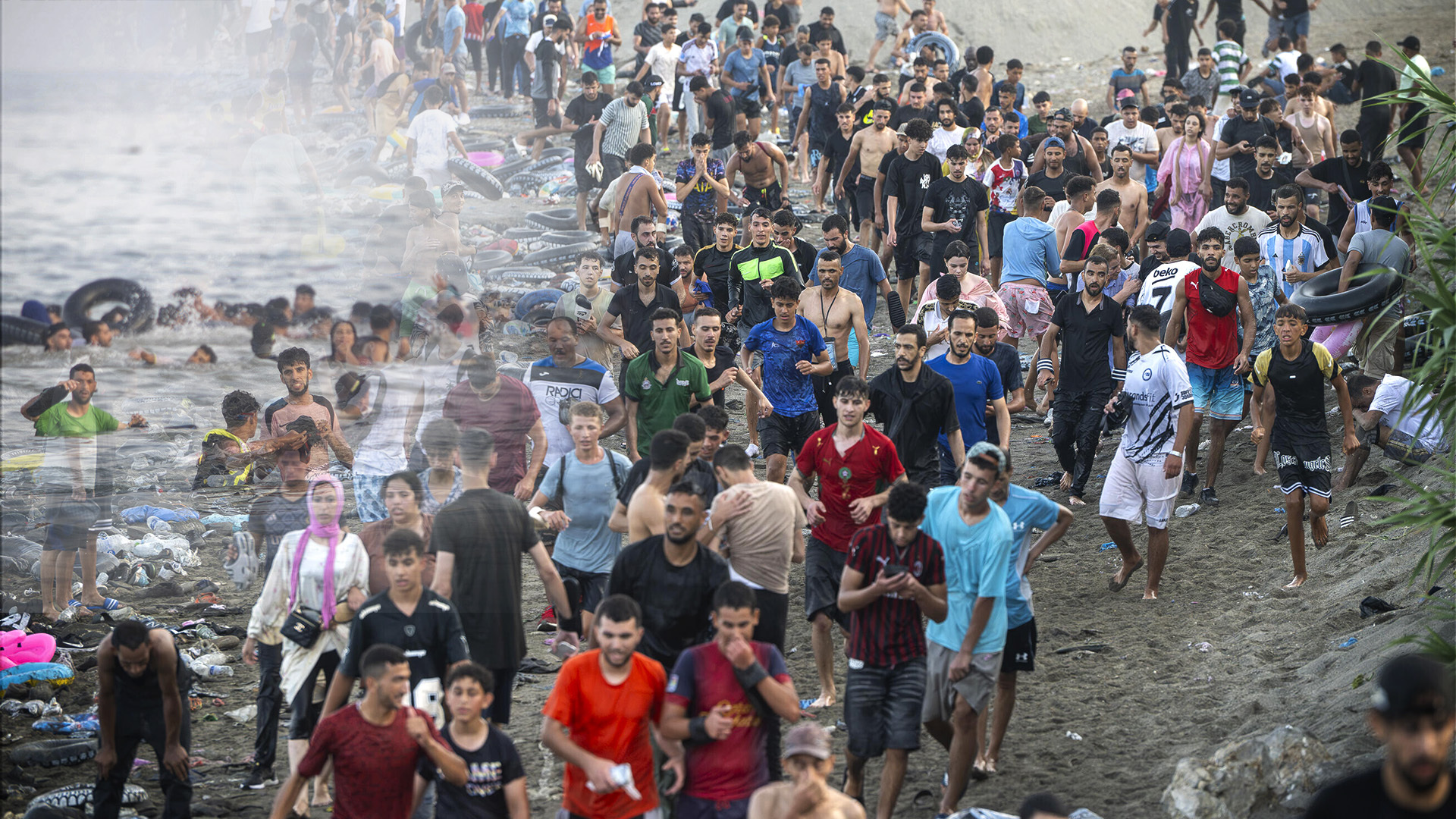

The Spanish government announced late Thursday that 60 soldiers and 200 specialized police units would be dispatched to the North African territory to support overwhelmed local security forces, according to Nius.

Prime Minister Pedro Sánchez is scheduled to visit Ceuta on Friday alongside Interior Minister Fernando Grande-Marlaska for meetings with security officials and local administrators. Sánchez stated on X that the Spanish government is fully committed to providing an immediate response to the situation.
City Administration Declares Crisis
Ceuta’s regional leader Juan Jesús Vivas had already called for military deployment and the declaration of a state of emergency before the central government acted. The city administration described the situation as extremely serious, demanding additional resources, a national emergency declaration, and faster transfers of migrants to the Spanish mainland.
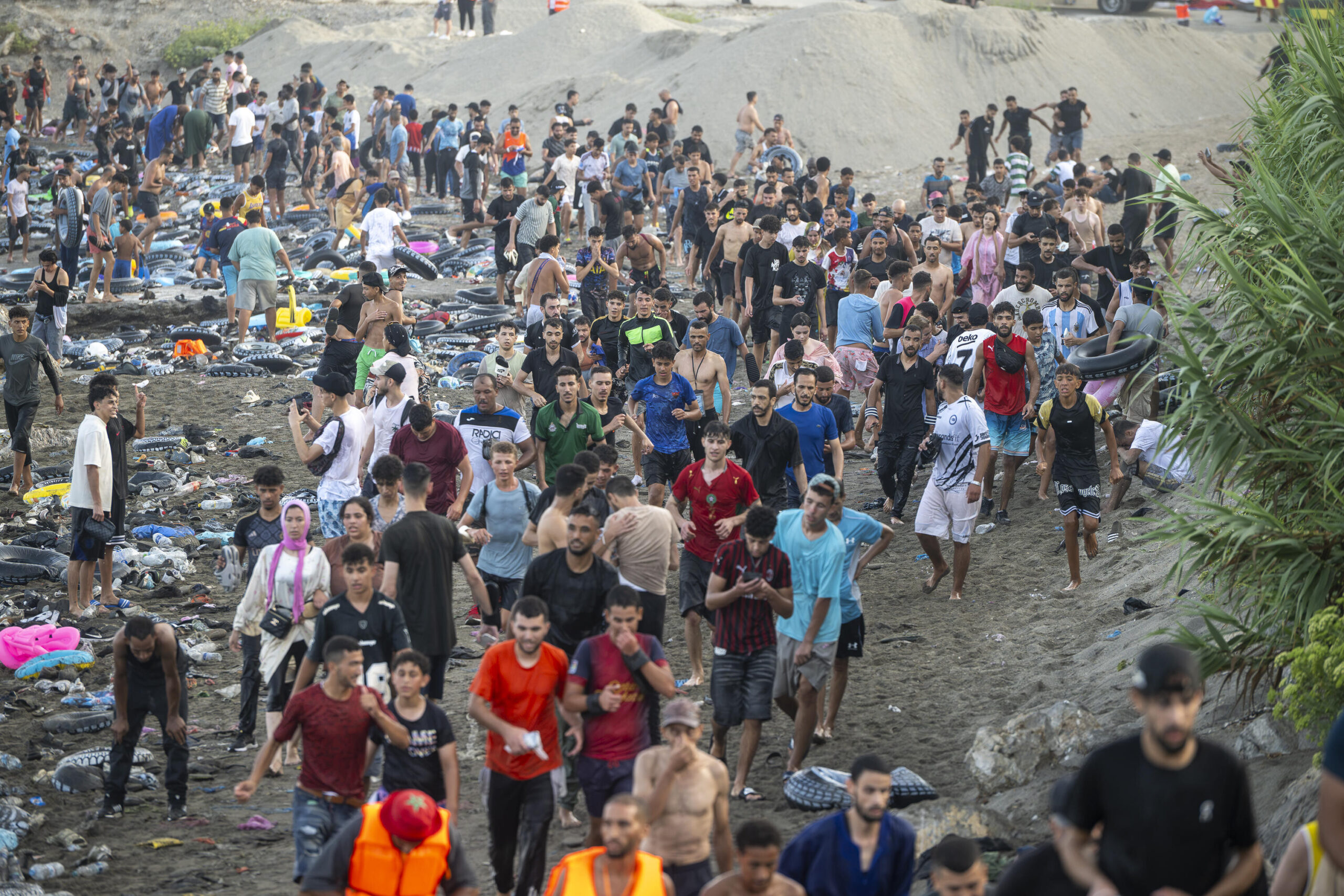
Rachid Sbihi, chairman of the Guardia Civil union, described chaotic conditions in Ceuta on Thursday, as Nius reports. He assessed that the border has practically collapsed. Exact figures remain difficult to establish, but thousands of migrants have crossed the border, he said. Spanish authorities confirmed at least nine migrants died during the surge.

Migrants Storm Barriers as Moroccan Forces Withdraw
Migrants succeeded in breaching security installations in front of Ceuta on Thursday, with the Spanish news agency EFE reporting that border facilities were unguarded by police at the time. Hundreds of young people were among those crossing. Video footage reportedly shows some shouting “Long live Spain” as they entered Spanish sovereign territory.
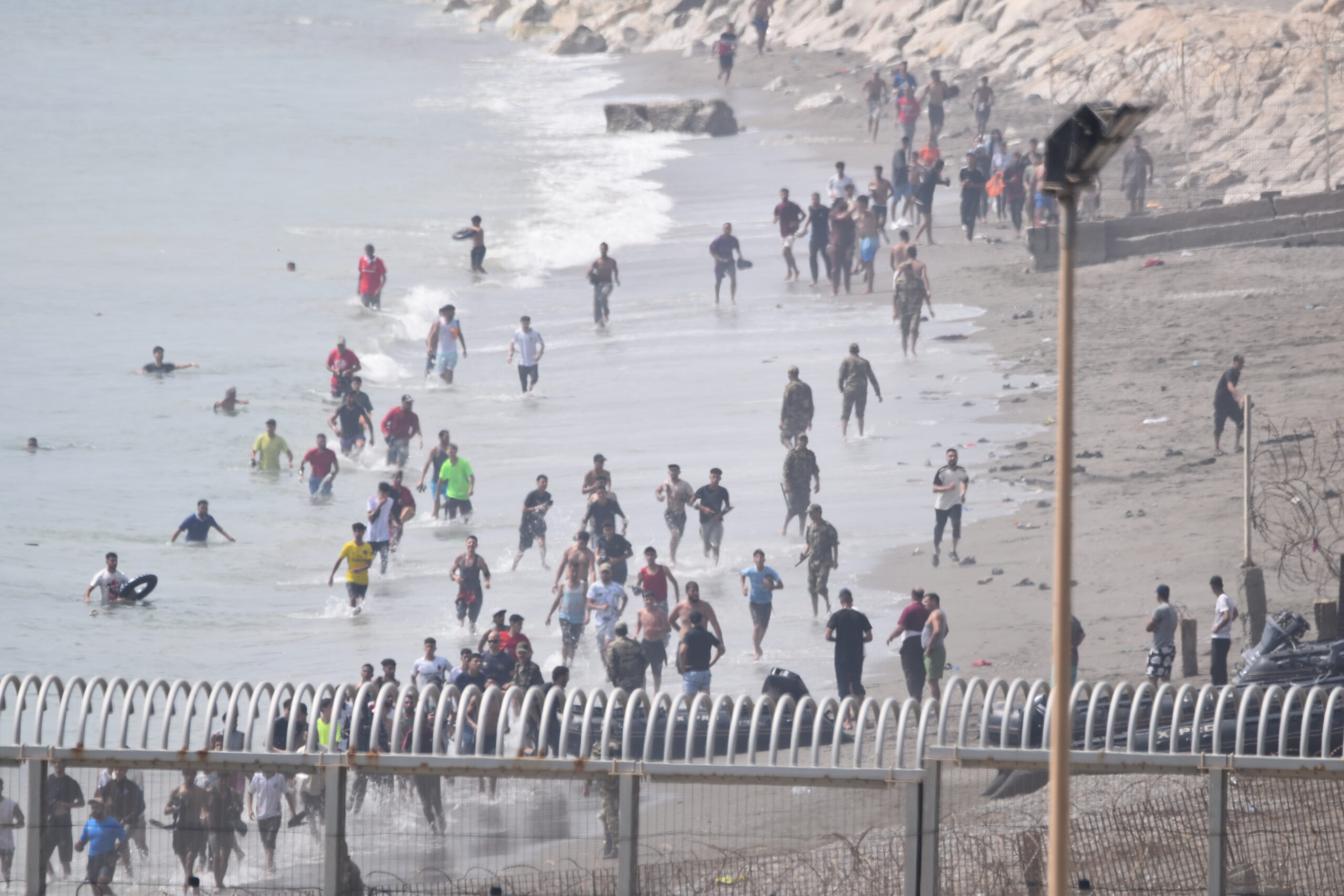
Young men and teenagers from Morocco and Algeria comprise the majority of those attempting to reach Spanish territory via the sea route. According to EFE, Moroccan security forces withdrew from the border installation when migrants arrived. Moroccan migrant rights activist Achraf Maimouni told the Associated Press that the border at Tarajal was opened under unusual circumstances. Moroccan authorities have not issued any statement regarding the incidents.
Court Ruling Prevents Immediate Deportations

While illegal migration attempts through Ceuta are not new, the current surge far exceeds normal levels. Local authorities speak of an acute crisis, comparing the intensity to the exceptional event of May 2021 when over 10,000 people reached Ceuta within days. Local newspapers suggest the current crisis has surpassed that episode. The Spanish newspaper El Faro de Ceuta now speaks of an “invasion.”
A recent ruling by Spain’s Supreme Court on July 8, 2026 appears to have encouraged the current rush. The decision significantly improved migrants’ chances of acceptance by prohibiting immediate deportations of persons arriving by swimming. Such individuals now have the right to a proper administrative procedure, distinguishing them from those who climb the land fences.
Ceuta’s Strategic Challenge
Ceuta borders Morocco directly and is heavily secured with high double fences, surveillance technology, and patrols. The massive barrier system separating the European Union from Moroccan territory now extends into the sea and is equipped with state-of-the-art surveillance technology.

Those rescued or reaching the coast are taken into custody by the Guardia Civil or police. Adults typically enter CETI, a temporary reception center, where they undergo identity verification, medical examination, and evaluation of possible asylum applications or deportation proceedings.

The Spanish government has pledged that soldiers will assist the Guardia Civil in maintaining security in Ceuta. However, the combination of the new court ruling limiting immediate deportations and what appears to be deliberate facilitation by Moroccan authorities has created a dangerous precedent that threatens to attract even more illegal border crossings in the coming weeks.
With information from Nius





