South Wales Police Pauses Plan to Record Anti-Muslim Hostility
South Wales Police has suspended controversial guidance requiring officers to record non-criminal "anti-Muslim hostility" as incidents after civil liberties groups threatened legal action.
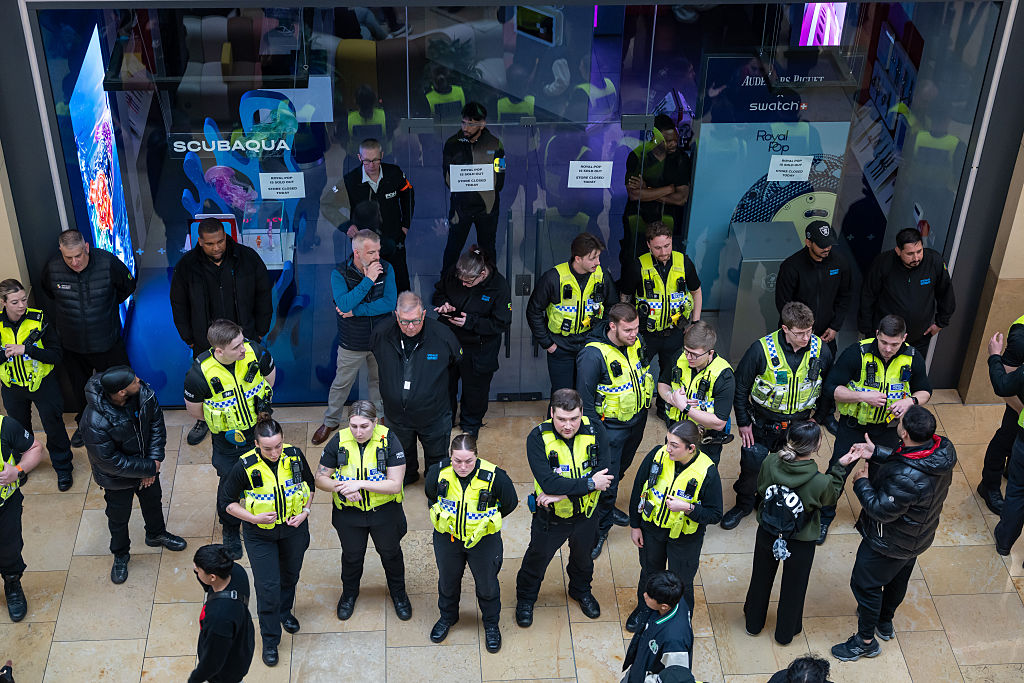

The guidance, which was issued in early June, instructed police officers to log non-criminal speech or behaviour they deemed hostile toward Muslims, according to Brussels Signal. The policy sparked immediate alarm among free speech campaigners who warned it effectively created a backdoor blasphemy law.
Under the directive, officers were told to record incidents that went beyond what police chiefs considered “legitimate” discussion or criticism of Islam. Individual officers were given the authority to determine what crossed the line into hostility, raising concerns about subjective enforcement and potential abuse.
The policy carried serious consequences for citizens. Records of such incidents could appear on enhanced Disclosure and Barring Service checks, which are background screenings used by employers in England and Wales to review an individual’s criminal record. Critics warned that people could face career-damaging records despite committing no criminal offence.
South Wales Police had adopted the Government’s non-statutory definition of anti-Muslim hostility and then added its own stricter guidance on top. Officers were instructed that only “legitimate discussion, scrutiny or differing viewpoints” on Islam would be permitted, but were given no clear framework for making that determination.
Several other police forces in England have issued similar guidance, raising questions about coordinated implementation of speech-monitoring policies across law enforcement.
Yesterday, South Wales Police announced it had “paused” the guidance while conducting a review and holding further discussions. A spokesman said the matter remains “ongoing” but provided no timeline for resolution.
The Free Speech Union, which confirmed it had been in direct contact with the force, welcomed the suspension. Lord Young, founder of the FSU, issued a strong statement warning against the revival of blasphemy laws through administrative means.
Conservative shadow Equalities Minister Claire Coutinho escalated the matter by referring it to the Equality and Human Rights Commission. She condemned the original policy as a de facto blasphemy law that singles out Islam for special protection while leaving other religions unprotected.
The policy would mean in practice that individual officers could dictate what citizens “could and could not say about one particular religion,” Coutinho stated, as reported by Brussels Signal.
She characterized the guidance as an assault on free speech and an example of two-tier policing with no basis in law.
The controversy comes amid broader debates over speech policing in Britain, including concerns about non-crime hate incidents and differential enforcement standards across different communities.
With information from Brussels Signal