Socialism Polls Better Than It Performs in Practice
Nearly 60 percent of American Democrats view socialism favorably while fewer than one-third support capitalism, raising concerns about healthcare policies despite failures in Britain and Canada.


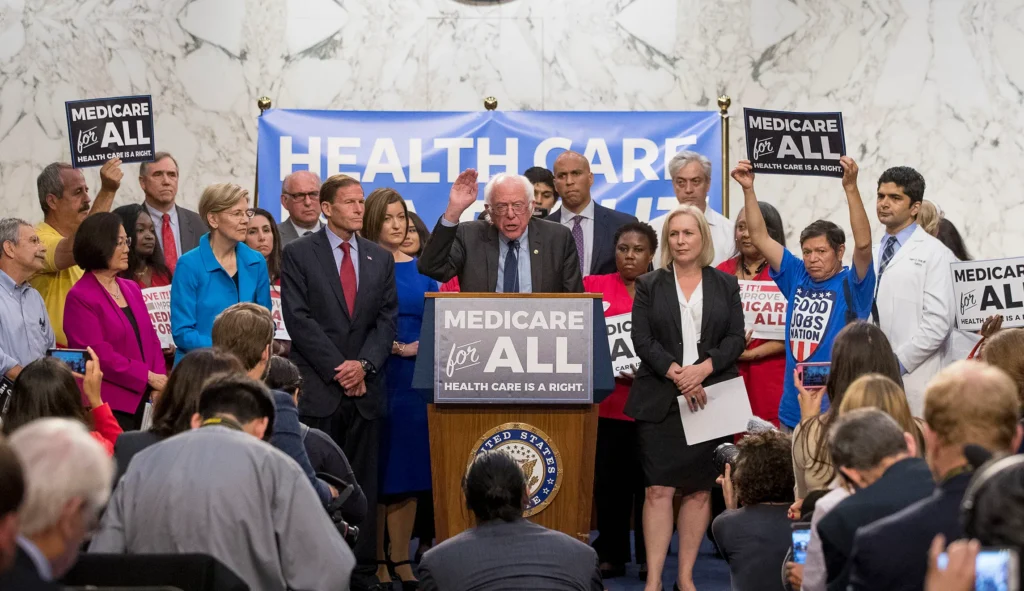
The findings represent a troubling development ahead of upcoming elections, as Sally Pipes argues in Washington Examiner, with socialist healthcare policies gaining traction despite their well-documented failures in other Western nations. Whilst proponents promise universal access, the reality in countries with socialised medicine tells a far different story of waiting lists, provider shortages, strict rationing, and substantial tax increases.
Britain’s NHS Offers Cautionary Tale


The United Kingdom’s National Health Service provides a timely example of socialised healthcare’s shortcomings. Official NHS statistics show that during July, approximately 3,000 patients daily were subjected to so-called corridor care, receiving treatment in hospital hallways and improvised spaces due to capacity constraints. More than 150,000 individuals endured waits exceeding 12 hours in emergency departments following arrival.
Cancer care figures are equally alarming. In the first six months of this year, roughly 51,500 people across England waited over two months to begin cancer treatment after receiving urgent referrals from their physicians.
Recent warm weather has compounded the crisis within NHS facilities. Nursing staff in certain wards have reportedly collapsed from heat exhaustion, whilst patients have endured temperatures reaching 107 degrees Fahrenheit in treatment areas.
Canadian System Reveals Hidden Costs
Sally Pipes, president and CEO of the Pacific Research Institute, points to Canada as further evidence of socialised medicine’s drawbacks. A recent analysis by the Vancouver-based Fraser Institute calculates that a Canadian family of four earning CA$202,885 (approximately $147,000 in American currency) will contribute CA$21,115 (roughly $15,000) in concealed taxes towards public healthcare in the current year. That represents more than 10 percent of household income directed to supposedly free healthcare.
Despite these substantial financial contributions, Canadians continue to face extraordinary delays for treatment. The median wait time from family doctor referral to actual specialised care reached 28.6 weeks in 2025, marking the second-longest delay the institute has ever recorded.
Public sentiment reflects this dysfunction. A fresh poll indicates that 63 percent of Canadians now characterise healthcare in their province as existing in a state of crisis.
Consequences of Government Control
The pattern across socialised healthcare systems is unmistakable. When governments pledge unlimited care whilst operating under finite budgets, delays and rationing become inevitable outcomes rather than aberrations.
Whilst America’s healthcare system certainly faces legitimate criticisms and requires meaningful reform, replacing existing problems with total government control, rationed access, and months-long waiting periods would constitute regression rather than progress. Effective healthcare reform must empower doctors and patients, not expand bureaucratic authority.
Democrats attracted to socialist rhetoric would serve their constituents well by examining the practical results of such policies before embracing them at the ballot box. The experiences of Britain, Canada, and other nations with socialised medicine offer clear warnings about the gap between socialist promises and socialist performance.
With information from Washington Examiner