Necessary Cookies

Required for the site to function. Cannot be disabled.

Analytics Cookies

Help us understand how visitors interact with our site (Google Analytics via GTM).

Marketing Cookies

Used to track visitors and deliver personalised advertisements.

We use cookies to enhance your browsing experience and analyse site traffic. By clicking Accept All, you consent to our use of cookies. Privacy Policy
NewsFire Global
Home News Europe World Christianity Culture Wars Opinion Video
Information
About Us Authors Advertising Terms & Conditions Privacy Policy Contact
R2B Media
R2B NEWSFIRE.GR PAPAFOTIS.GR THRACTION HELLENIC CONSERVATIVES RIGHT2THEBONE YT
News Culture Wars

Socialism, Communism, and Marxism: The Blue Scare Explained

Democratic Socialists of America-backed primary victories have sparked Republican warnings about Marxist ideology in the Democratic Party, reigniting debates over distinctions between socialism and communism.

Stefanos Banos
Stefanos Banos Staff Writer
JULY 5, 2026 AT 10:07 PM

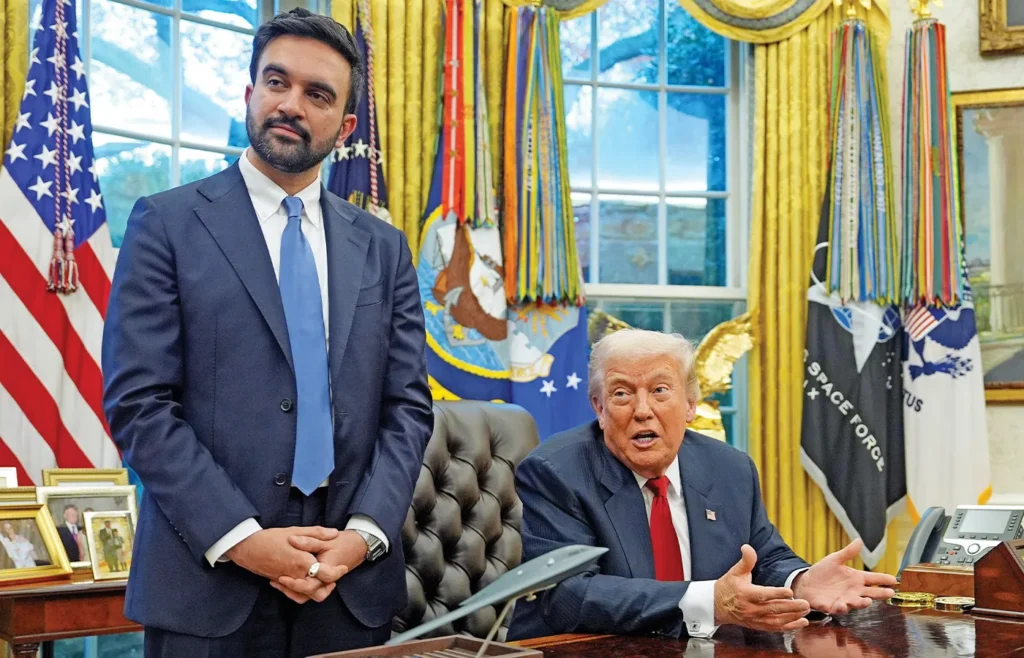
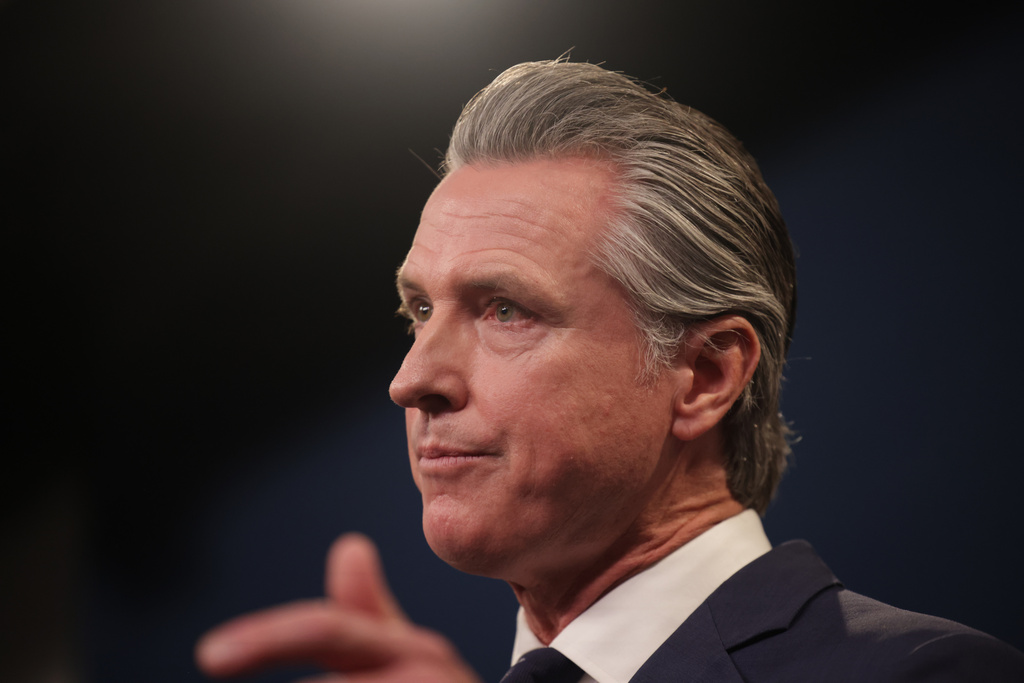
President Donald Trump has branded New York socialist candidates as communists, while House Speaker Mike Johnson has cautioned that Marxist thinking is becoming increasingly influential among Democrats. The victories have prompted Republicans and political observers to question whether distinctions between socialism, Marxism, and communism still hold meaningful differences, according to Claire Carter writing in Washington Examiner.
The confusion stems from a shared intellectual heritage. Modern socialism, Marxism, and communism all originate from the 19th-century writings of German philosopher Karl Marx and his associate, Friedrich Engels.

Marx contended that capitalism concentrated wealth among property owners while exploiting laborers. His theory held that history progresses through class conflict, and that capitalism would inevitably collapse into socialism before reaching its final form as communism.

A Complete Worldview

Eric Patterson, president and CEO of the Victims of Communism Memorial Foundation, emphasized that Marxism extends far beyond economic policy into a comprehensive ideology covering politics, anthropology, and the fundamental meaning of existence.

Marx conceived socialism as a transitional phase within a larger historical transformation. Patterson explained the progression Marx envisioned: societies would evolve from feudal agrarian systems to modern capitalism, then to socialism where government assumes control of economic activity, and finally to communism where the state governs every aspect of civic life.

In Marxist theory, communism represents the ultimate societal stage—a classless, stateless arrangement devoid of private ownership of production.

Contemporary experts typically draw distinctions between Marx’s theoretical framework and the varied forms socialism has assumed over the past century.

Today’s socialist candidates generally champion expanded labor protections, stronger union rights, increased public investment in housing and healthcare, and reduced economic disparities achieved through electoral means rather than revolutionary upheaval.

Communism, by contrast, has become synonymous with governments claiming to pursue Marx’s vision, including the Soviet Union, Maoist China, and Cuba.

Why the Labels Matter

Modern socialists reject the communist label, insisting they support constitutional democracy and competitive elections. Republicans counter that socialism and communism occupy the same ideological spectrum, citing Marx’s own description of socialism as a transitional stage toward communism.

For opponents of DSA-endorsed candidates, the concern transcends individual policies and centers on what they perceive as a fundamental shift in governance philosophy.

Patterson noted that America’s constitutional framework deliberately established limited government, individual liberties, and incremental political change through elections and institutional safeguards.

He contrasted this with Marxist theory, which progressively concentrates authority in government as society advances toward communism. While DSA candidates may not advocate Soviet-style government, critics argue their policies derive from the same intellectual tradition Marx believed would ultimately supplant capitalism.

Patterson described their approach as seeking to deploy state power in exceptionally aggressive ways, marking a departure from the American constitutional tradition of dispersed authority and protected individual rights.

With information from Washington Examiner

Share:
Stefanos Banos
Stefanos Banos

Stefanos Banos was born in Piraeus and is an editor at NewsFire.GR, specializing in political analysis and international relations. He graduated from the Department of Communication and Media at the University of Bremen in Germany, where he also completed his Master of Arts in Communication and Media Studies. Married to Zoi, he is a proud father of three boys.

President Donald Trump has branded New York socialist candidates as communists, while House Speaker Mike Johnson has cautioned that Marxist thinking is becoming increasingly influential among Democrats. The victories have prompted Republicans and political observers to question whether distinctions between socialism, Marxism, and communism still hold meaningful differences, according to Claire Carter writing in Washington Examiner.

The confusion stems from a shared intellectual heritage. Modern socialism, Marxism, and communism all originate from the 19th-century writings of German philosopher Karl Marx and his associate, Friedrich Engels.

Marx contended that capitalism concentrated wealth among property owners while exploiting laborers. His theory held that history progresses through class conflict, and that capitalism would inevitably collapse into socialism before reaching its final form as communism.

A Complete Worldview

Eric Patterson, president and CEO of the Victims of Communism Memorial Foundation, emphasized that Marxism extends far beyond economic policy into a comprehensive ideology covering politics, anthropology, and the fundamental meaning of existence.

Marx conceived socialism as a transitional phase within a larger historical transformation. Patterson explained the progression Marx envisioned: societies would evolve from feudal agrarian systems to modern capitalism, then to socialism where government assumes control of economic activity, and finally to communism where the state governs every aspect of civic life.

In Marxist theory, communism represents the ultimate societal stage—a classless, stateless arrangement devoid of private ownership of production.

Contemporary experts typically draw distinctions between Marx’s theoretical framework and the varied forms socialism has assumed over the past century.

Today’s socialist candidates generally champion expanded labor protections, stronger union rights, increased public investment in housing and healthcare, and reduced economic disparities achieved through electoral means rather than revolutionary upheaval.

Communism, by contrast, has become synonymous with governments claiming to pursue Marx’s vision, including the Soviet Union, Maoist China, and Cuba.

Why the Labels Matter

Modern socialists reject the communist label, insisting they support constitutional democracy and competitive elections. Republicans counter that socialism and communism occupy the same ideological spectrum, citing Marx’s own description of socialism as a transitional stage toward communism.

For opponents of DSA-endorsed candidates, the concern transcends individual policies and centers on what they perceive as a fundamental shift in governance philosophy.

Patterson noted that America’s constitutional framework deliberately established limited government, individual liberties, and incremental political change through elections and institutional safeguards.

He contrasted this with Marxist theory, which progressively concentrates authority in government as society advances toward communism. While DSA candidates may not advocate Soviet-style government, critics argue their policies derive from the same intellectual tradition Marx believed would ultimately supplant capitalism.

Patterson described their approach as seeking to deploy state power in exceptionally aggressive ways, marking a departure from the American constitutional tradition of dispersed authority and protected individual rights.

With information from Washington Examiner


