
Secret Service Knew Gunman Armed 2 Minutes Before Trump Shot
A federal report reveals the Secret Service knew Thomas Crooks was armed on a rooftop two minutes before he shot at Donald Trump at a Butler, Pennsylvania rally, exposing catastrophic security failures.
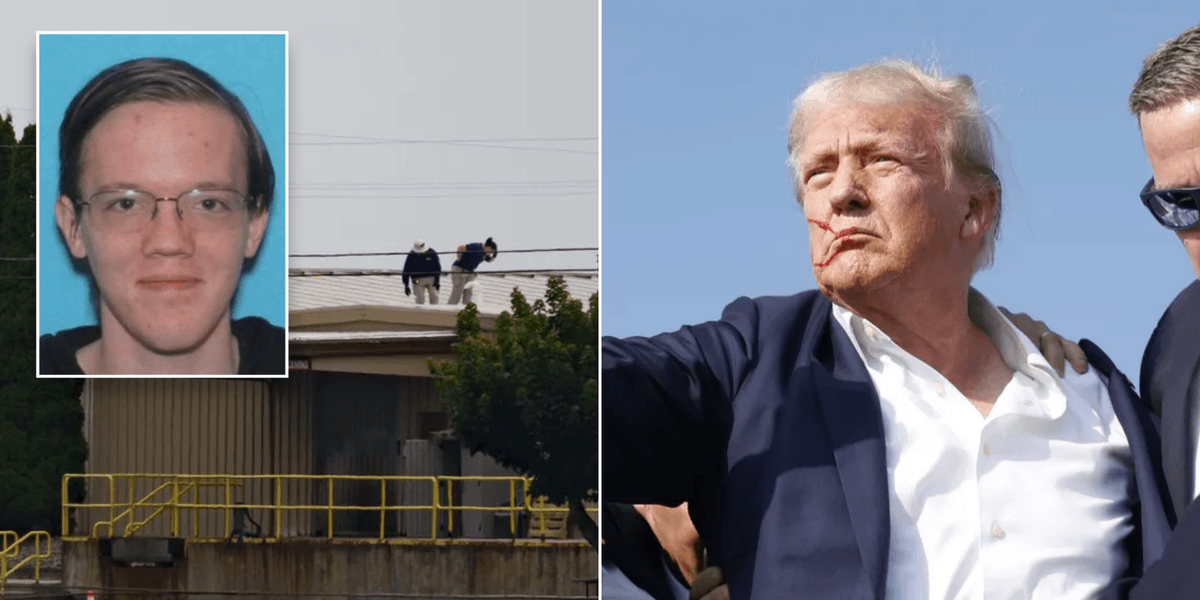

The Department of Homeland Security’s Office of Inspector General released findings on Thursday that expose catastrophic failures in the protection of the future President during the Butler, Pennsylvania incident in his 2024 re-election campaign, as Peter Stevens reports in GB News.
Local law enforcement received notification of a suspicious individual on the roof at 6:09 p.m., the report confirms. Just two minutes later, at 6:11 p.m., eight shots rang out toward the President.
The report identified systemic breakdowns within the Secret Service, citing inadequate policies and procedures combined with poor intelligence sharing and weak communication with the protectee’s staff as root causes of the security collapse.
Tim Miller, a former Secret Service agent, delivered a scathing assessment of the operation’s failures. The Secret Service has a no-fail mission. Well, they failed in Butler, he stated, pointing to fundamental shortcomings in line of sight coverage, rooftop security, and intelligence coordination.
Drone Surveillance Went Undetected
Security personnel also failed to identify Crooks’s drone, which he deployed to survey the campaign event venue and stage area prior to the attack.
The oversight was attributed to an operator who had received merely 20 minutes of training on the detection equipment. Additionally, a broken ethernet cable was only repaired approximately 30 minutes after the gunman had completed his reconnaissance.
Trump sustained a grazing wound to his ear during the attack, which claimed one life and wounded multiple attendees at the rally.
The Inspector General’s findings paint a picture of multiple, compounding security failures at every level of protection protocol, raising serious questions about the agency’s operational readiness and preparedness to safeguard high-value protectees.
With information from GB News





