
Republicans Set to Surrender Winning Issue to Democrats
Republicans risk losing ground to Democrats on AI infrastructure as polling shows increasingly negative public sentiment toward data centers, with concerns over who pays for massive electricity demands.
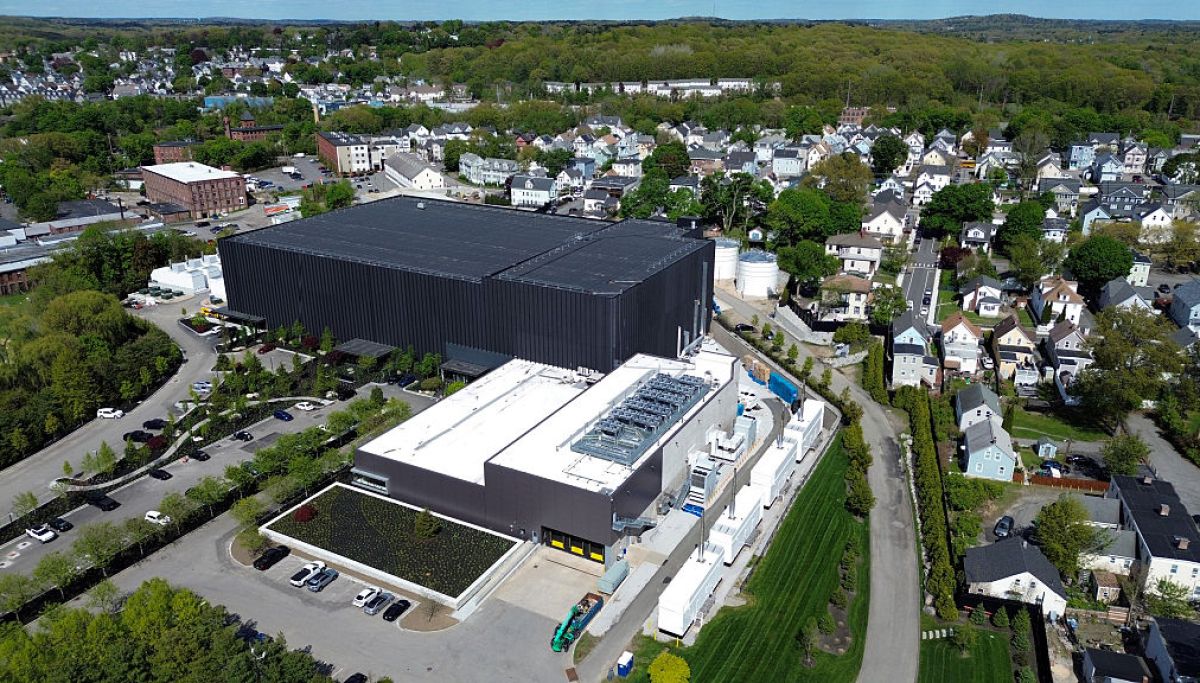

As David Sypher Jr. argues in Washington Examiner, recent polling data from Politico reveals that American views on data centers have become more negative and politically polarized, with Democrats showing greater opposition than Republicans to data center construction in their communities. The shift represents a political opportunity Democrats are beginning to exploit, but one that Republicans can preempt by listening to legitimate voter concerns.
The core issue is not whether America should lead in artificial intelligence development—it unquestionably should. Artificial intelligence stands as potentially one of the most transformative technologies in American history, with applications spanning medicine, education, manufacturing, and national security. The technology could enhance American business productivity and secure the nation’s technological advantage over China.
However, Republican support for AI leadership should not translate into uncritical corporate support, the analysis contends.

The Infrastructure Cost Question
Communities nationwide are confronting rapid data center expansion required to power artificial intelligence operations. While these facilities can deliver investment, employment, and economic development, they also demand massive electricity consumption and substantial infrastructure investment.
The critical question conservatives must address is who bears the financial burden of this growth. If working families face higher electricity bills or other costs to subsidize artificial intelligence expansion, Republicans should not dismiss these concerns as anti-growth sentiment. If communities accept reduced quality of life while corporations capture profits, conservatives should not reflexively align with corporate interests.
This approach reflects core conservative principles rather than abandoning them. For years, Republicans have correctly criticized Democrats for using government power to pick winners and losers in the marketplace. Conservatives have similarly opposed corporate welfare in the form of taxpayer-funded subsidies for politically connected companies.
Pro-Market, Not Anti-Business
The same skepticism should apply to AI infrastructure development. Corporations should not privatize technological expansion profits while families subsidize costs through higher utility bills, strained infrastructure, or increased pressure on local resources.
This position does not constitute an argument for national moratoriums, allowing environmental activists to obstruct American innovation, or surrendering the AI competition to China. Rather, it calls for making corporations responsible for the costs they generate.
Companies seeking to construct massive data centers should pay fair shares of infrastructure costs they create. When electricity demand surges dramatically, policymakers should pursue energy strategies expanding supply rather than simply transferring costs to consumers. When corporations receive public incentives, communities should evaluate whether those incentives produce sufficient public benefit to justify them.
This framework is fundamentally pro-market. Markets function optimally when companies bear responsibility for costs of their own decisions. Conservatives should remain wary when businesses capture upside benefits while taxpayers, ratepayers, and local communities absorb downside costs.
Political Peril in Ignoring Public Concerns
Republicans face significant political danger in dismissing public concerns about data center expansion. Americans already struggle with cost of living pressures, paying more for housing, food, energy, and other necessities. Telling voters they must accept higher electricity bills or diminished quality of life because massive corporations require more power for artificial intelligence operations represents an unsustainable political message.
Conservatives should not assume voters questioning data center expansion pace oppose technology itself. Many Americans support technological progress but want assurance they will benefit from it personally. This distinction carries substantial weight.
Democrats may respond to public anxiety with moratoriums and restrictive regulations. Republicans can offer a superior alternative: support building the future while ensuring people are not forced to subsidize corporate expansion.
The Republican Party should champion American innovation, supporting entrepreneurs, energy production, and scientific advancement. But that championship must rest on conservative economic principles holding corporations accountable for costs they impose on communities and families. Failure to articulate this position risks allowing Democrats to transform legitimate concerns about AI infrastructure into broader arguments against technological progress itself.
With information from Washington Examiner





