Necessary Cookies

Required for the site to function. Cannot be disabled.

Analytics Cookies

Help us understand how visitors interact with our site (Google Analytics via GTM).

Marketing Cookies

Used to track visitors and deliver personalised advertisements.

We use cookies to enhance your browsing experience and analyse site traffic. By clicking Accept All, you consent to our use of cookies. Privacy Policy
NewsFire Global
Home News Europe World Christianity Culture Wars Opinion Video
Information
About Us Authors Advertising Terms & Conditions Privacy Policy Contact
R2B Media
R2B NEWSFIRE.GR PAPAFOTIS.GR THRACTION HELLENIC CONSERVATIVES RIGHT2THEBONE YT
News World

Qatari Mediators Head to Tehran to Finalize Iran War Deal

The United States and Iran are nearing a ceasefire agreement mediated by Qatar that would reopen the Strait of Hormuz but leaves unresolved disputes over Iran's nuclear program and frozen assets.

Newsroom
Newsroom Staff Writer
JUNE 14, 2026 AT 2:22 PM

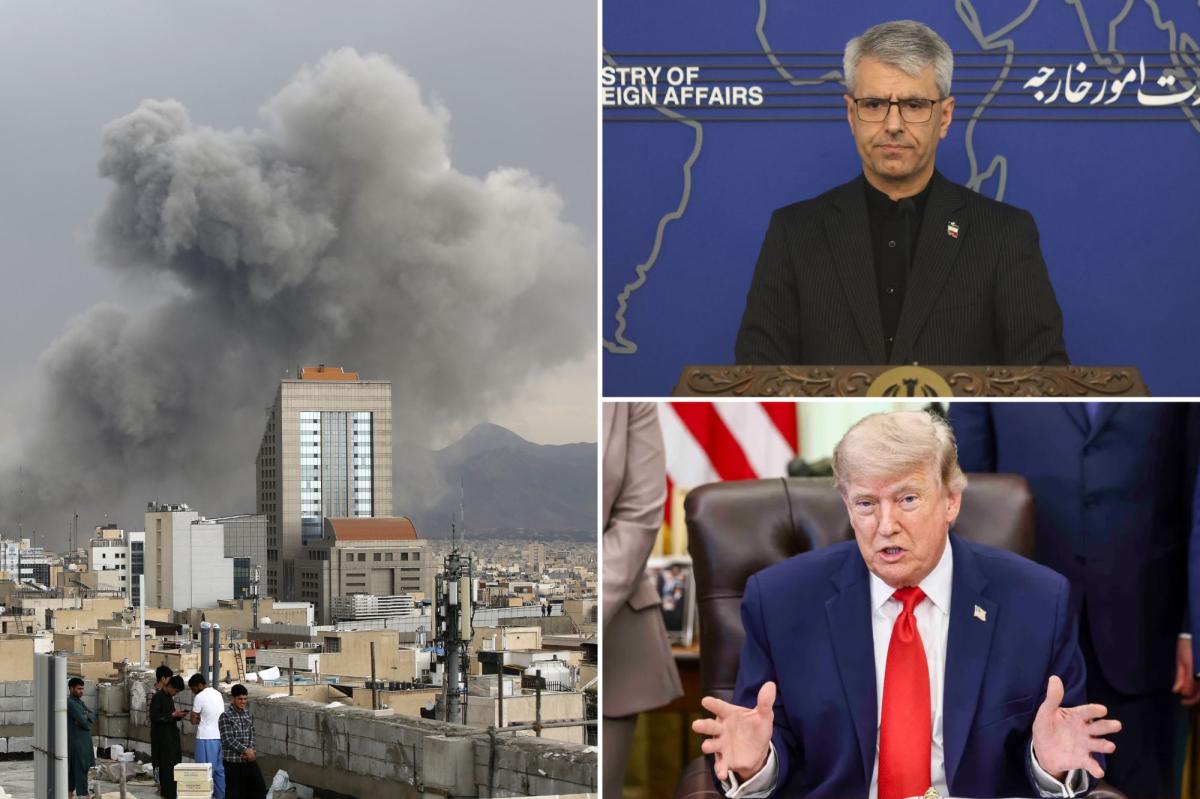
Two regional officials speaking on condition of anonymity expressed measured optimism that Washington and Tehran are nearing a deal that could end hostilities responsible for thousands of deaths and reopen the strategically vital Strait of Hormuz, as New York Post reports. The closure of this critical waterway has caused severe disruption to global markets.

President Donald Trump and Pakistani Prime Minister Shehbaz Sharif announced Saturday that the agreement would be signed on Sunday, though Iranian foreign ministry spokesperson Esmail Baghaei indicated it could occur within days. Trump stated the Strait of Hormuz would reopen immediately following the signing.

The deal is expected to be concluded electronically without a formal in-person ceremony, though specific details about timing and procedure remain unclear.

Nuclear Issues and Frozen Assets Remain Unresolved

The agreement does not address the most contentious points of conflict between Washington and Tehran, including Iran’s nuclear program and frozen assets, according to Pakistani and regional officials briefed on the negotiations. Instead, it provides a 60-day framework for technical discussions on these critical matters.

Regional officials described Pakistan’s months-long diplomatic effort to broker the talks, with multiple instances where negotiations nearly collapsed entirely as both parties threatened to withdraw.

Under the terms currently being discussed, the United States and Israel appear to have failed to achieve their initial objectives of dismantling Iran’s missile and nuclear capabilities and terminating Tehran’s support for regional proxy forces. How the final agreement will handle these issues, or whether they will be included at all, remains uncertain.

Strait of Hormuz Demining on G7 Agenda

Trump is expected to address demining operations in the Strait of Hormuz during the Group of Seven summit beginning Monday. The waterway is essential for major shipments of oil, natural gas, and related products such as fertilizer, and its effective blockade has severely destabilized the global economy.

The diplomatic progress follows an exchange of fire between Iran and the United States and Israel earlier in the week that threatened to shatter the ceasefire and plunge the Middle East back into full-scale conflict. A fragile ceasefire has held since April 7.

Uranium Enrichment at Center of Tensions

Iran’s nuclear program and stockpiles of highly enriched uranium have remained central to tensions with the United States and Israel and a source of international alarm.

Trump stated on social media that once stability is achieved, the United States would downblend and destroy Iran’s enriched uranium, either within Iran or on American soil.

According to the International Atomic Energy Agency, Iran currently possesses 972 pounds of uranium enriched to 60 percent purity, placing it just a short technical step away from weapons-grade levels of 90 percent.

Iran has consistently maintained its nuclear program serves peaceful purposes and has not publicly agreed to surrender its enriched uranium, which is believed to be stored beneath three nuclear facilities that sustained significant damage from US strikes last year.

Lebanon Conflict and Israeli Concerns

Fighting continues in Lebanon between Israel and the Iranian-backed Hezbollah militant group despite an existing ceasefire. Israel has advanced its ground operations deeper into Lebanese territory than at any point in over 25 years.

Tehran has pushed for the ceasefire agreement to encompass the Lebanon conflict and has demanded the release of billions of dollars in frozen funds.

The deal in its present form represents a significant disappointment to the Israeli government, which has been largely excluded from negotiations led by Pakistan and other mediators. Critics within Trump’s own Republican Party, facing political pressure over an unpopular war ahead of midterm elections, have also criticized the agreement.

Some detractors argue the deal fails to improve upon the 2015 Iran nuclear accord that Trump withdrew from during his first term and which he continues to characterize as inadequate.

With information from New York Post

Share:
Newsroom
Newsroom

NewsFire.GR is a website created with the hope that the media will rediscover their true identity, which is none other than informing the public about the real stakes of our times. Journalism and political analysis must hold power accountable, not serve it.

Two regional officials speaking on condition of anonymity expressed measured optimism that Washington and Tehran are nearing a deal that could end hostilities responsible for thousands of deaths and reopen the strategically vital Strait of Hormuz, as New York Post reports. The closure of this critical waterway has caused severe disruption to global markets.

President Donald Trump and Pakistani Prime Minister Shehbaz Sharif announced Saturday that the agreement would be signed on Sunday, though Iranian foreign ministry spokesperson Esmail Baghaei indicated it could occur within days. Trump stated the Strait of Hormuz would reopen immediately following the signing.

The deal is expected to be concluded electronically without a formal in-person ceremony, though specific details about timing and procedure remain unclear.

Nuclear Issues and Frozen Assets Remain Unresolved

The agreement does not address the most contentious points of conflict between Washington and Tehran, including Iran’s nuclear program and frozen assets, according to Pakistani and regional officials briefed on the negotiations. Instead, it provides a 60-day framework for technical discussions on these critical matters.

Regional officials described Pakistan’s months-long diplomatic effort to broker the talks, with multiple instances where negotiations nearly collapsed entirely as both parties threatened to withdraw.

Under the terms currently being discussed, the United States and Israel appear to have failed to achieve their initial objectives of dismantling Iran’s missile and nuclear capabilities and terminating Tehran’s support for regional proxy forces. How the final agreement will handle these issues, or whether they will be included at all, remains uncertain.

Strait of Hormuz Demining on G7 Agenda

Trump is expected to address demining operations in the Strait of Hormuz during the Group of Seven summit beginning Monday. The waterway is essential for major shipments of oil, natural gas, and related products such as fertilizer, and its effective blockade has severely destabilized the global economy.

The diplomatic progress follows an exchange of fire between Iran and the United States and Israel earlier in the week that threatened to shatter the ceasefire and plunge the Middle East back into full-scale conflict. A fragile ceasefire has held since April 7.

Uranium Enrichment at Center of Tensions

Iran’s nuclear program and stockpiles of highly enriched uranium have remained central to tensions with the United States and Israel and a source of international alarm.

Trump stated on social media that once stability is achieved, the United States would downblend and destroy Iran’s enriched uranium, either within Iran or on American soil.

According to the International Atomic Energy Agency, Iran currently possesses 972 pounds of uranium enriched to 60 percent purity, placing it just a short technical step away from weapons-grade levels of 90 percent.

Iran has consistently maintained its nuclear program serves peaceful purposes and has not publicly agreed to surrender its enriched uranium, which is believed to be stored beneath three nuclear facilities that sustained significant damage from US strikes last year.

Lebanon Conflict and Israeli Concerns

Fighting continues in Lebanon between Israel and the Iranian-backed Hezbollah militant group despite an existing ceasefire. Israel has advanced its ground operations deeper into Lebanese territory than at any point in over 25 years.

Tehran has pushed for the ceasefire agreement to encompass the Lebanon conflict and has demanded the release of billions of dollars in frozen funds.

The deal in its present form represents a significant disappointment to the Israeli government, which has been largely excluded from negotiations led by Pakistan and other mediators. Critics within Trump’s own Republican Party, facing political pressure over an unpopular war ahead of midterm elections, have also criticized the agreement.

Some detractors argue the deal fails to improve upon the 2015 Iran nuclear accord that Trump withdrew from during his first term and which he continues to characterize as inadequate.

With information from New York Post

