Necessary Cookies

Required for the site to function. Cannot be disabled.

Analytics Cookies

Help us understand how visitors interact with our site (Google Analytics via GTM).

Marketing Cookies

Used to track visitors and deliver personalised advertisements.

We use cookies to enhance your browsing experience and analyse site traffic. By clicking Accept All, you consent to our use of cookies. Privacy Policy
NewsFire Global
Home News Europe World Christianity Culture Wars Opinion Video
Information
About Us Authors Advertising Terms & Conditions Privacy Policy Contact
R2B Media
R2B NEWSFIRE.GR PAPAFOTIS.GR THRACTION HELLENIC CONSERVATIVES RIGHT2THEBONE YT
News World

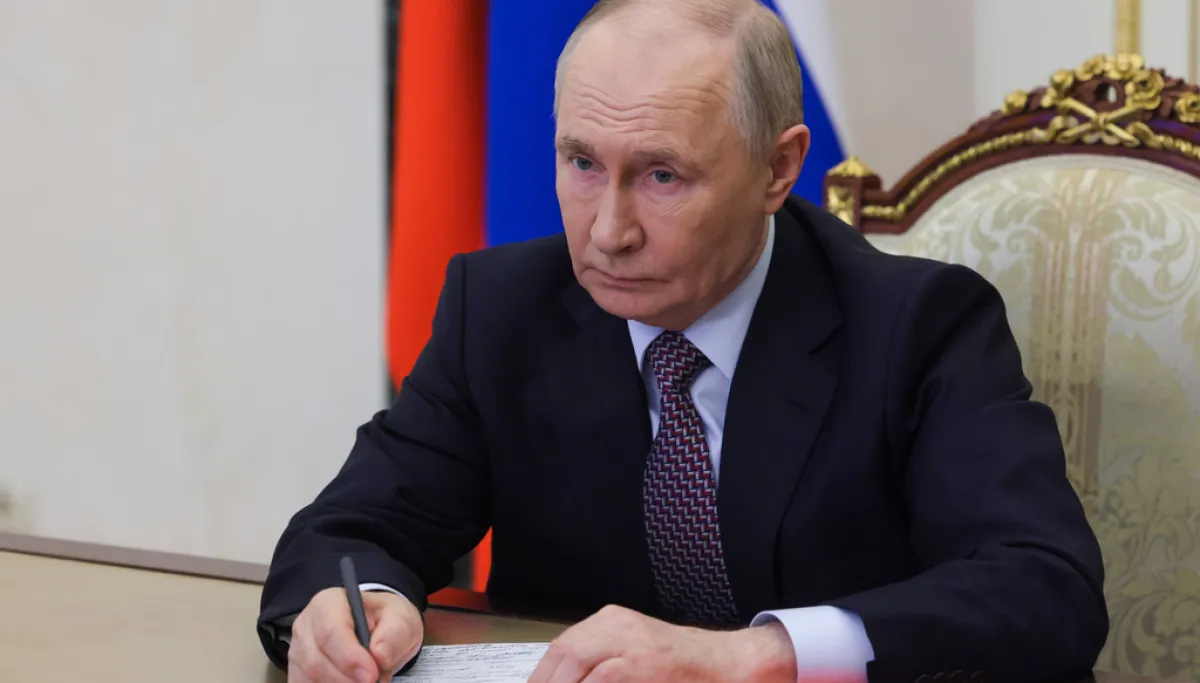
Putin Bets on Outlasting America in Ukraine War

European confidence in Ukraine's success increasingly determines the war's trajectory as Russia pursues a hybrid strategy to fracture Western unity while concealing domestic failures.

JULY 28, 2026 AT 4:54 PM

The trajectory of Russia’s war against Ukraine is no longer determined exclusively by battlefield developments, but increasingly by whether European governments maintain confidence in Ukraine’s ability to succeed.

Two contrasting pathways are now emerging, according to Igor Bondar writing in Washington Examiner. One offers genuine grounds for optimism: Russia’s economy is deteriorating under wartime pressures, Ukrainian long-range strikes are systematically disrupting Russian oil production and military infrastructure, and the Kremlin finds itself compelled to conceal mounting domestic difficulties rather than trumpet military achievements. The longer these dynamics persist, the harder it becomes for Russian President Vladimir Putin to sustain both the war effort and the fiction of Russian victory.
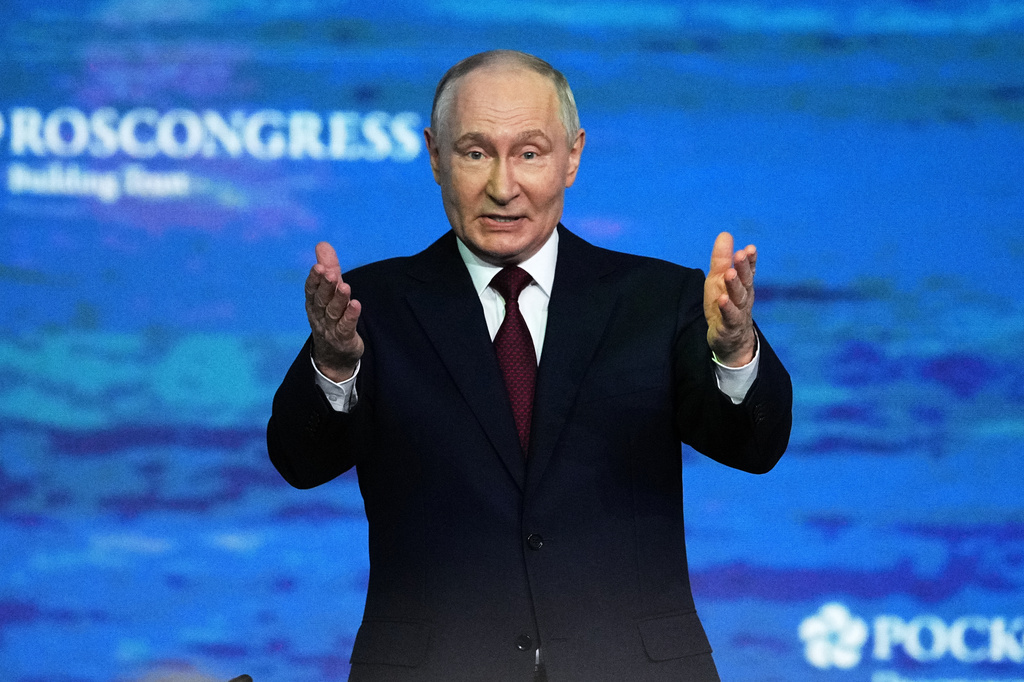
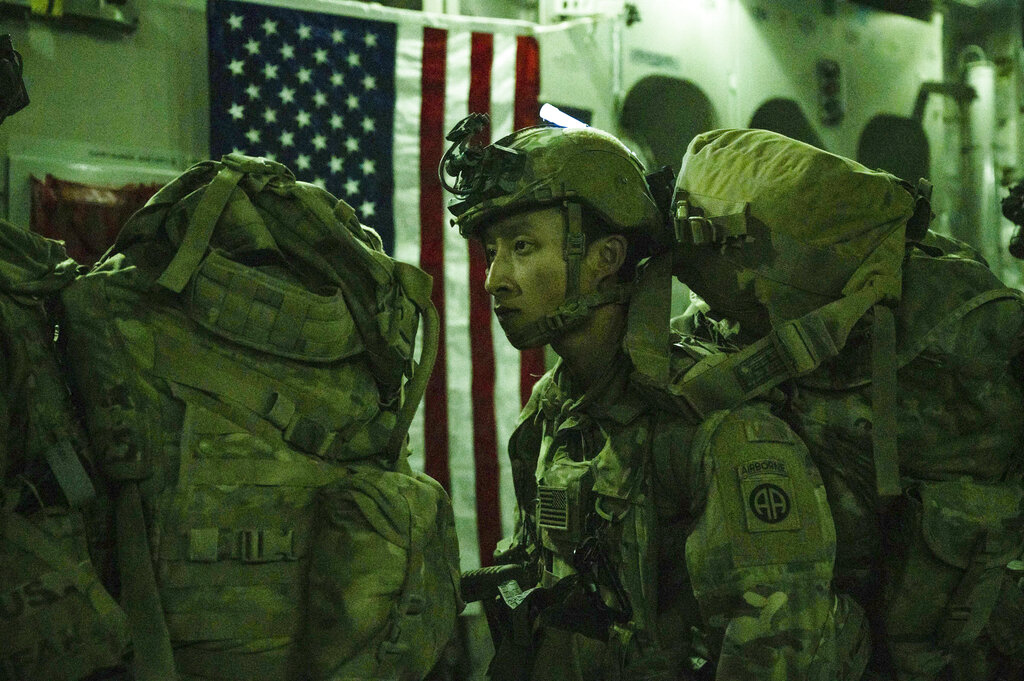
The alternative scenario is rooted not in military reality but in political will. Should governments either hostile or indifferent to Ukraine’s survival gain power across Europe, Western support could gradually collapse. Ukraine would then confront not merely military pressure but demographic decline, economic exhaustion, and the grim prospect of indefinite attrition warfare.

The Kremlin, Bondar observes, appears to grasp this political dimension more clearly than many European leaders. Russia no longer depends exclusively on battlefield success. Instead, Moscow has committed to a hybrid strategy aimed at fracturing European unity while concealing its own failures from Russian citizens. The calculation is straightforward: if Russia cannot defeat Ukraine militarily, it will attempt to convince Europe that supporting Ukraine is pointless.

This explains recent tightening of Kremlin control over domestic media. Russian state outlets have reportedly received instructions to downplay coverage of Ukrainian strikes inside Russia while amplifying supposed Russian military successes. The directive reflects an uncomfortable truth: Ukrainian attacks have evolved from isolated incidents into a persistent strategic challenge that Moscow prefers to hide from its population.

The same approach extends beyond Russia’s borders. While suppressing news of its own setbacks, the Kremlin continues systematic assaults on Ukraine’s information infrastructure. Following another missile strike on Kyiv, the offices of Channel 5 television sustained damage for the second time in twelve months. Television studios, broadcasting equipment, and journalists’ facilities were destroyed. This was not incidental damage but a deliberate reminder that independent journalism remains among Russia’s intentional military targets.

Russia’s expanding censorship is not simply about controlling public opinion. It has become an economic imperative. Over the past year, Ukraine has transformed its long-range drone operations from symbolic retaliation into sustained strategic strikes targeting Russia’s energy infrastructure. Oil refineries, fuel depots, logistics centers, and military-industrial facilities have become routine targets. The cumulative impact matters more than any single strike.

Each successful attack compels Moscow to redirect resources toward air defense, repair damaged infrastructure, reroute fuel supplies, and offset production losses. The costs extend well beyond the battlefield, rippling through the civilian economy. The consequences are becoming progressively harder to conceal.

Fuel shortages have emerged across multiple Russian regions, forcing local authorities to impose restrictions on gasoline and diesel sales. Domestic fuel prices continue climbing despite Kremlin attempts at administrative market control. Even Putin has publicly acknowledged disruptions to fuel supplies, an admission that would have been nearly inconceivable a year ago. The strain extends far beyond the energy sector.

Russia’s federal budget faces mounting pressure as oil and gas revenues decline while military spending continues rising. Major companies have postponed investment projects, numerous businesses have frozen expansion plans, and thousands of enterprises report financial losses. Regional governments increasingly struggle with budget deficits, forcing Moscow to contemplate new taxes and additional fiscal measures simply to maintain local government operations. No single problem is sufficient to end the war.

Collectively, however, they generate something far more threatening to the Kremlin: a gradual but relentless erosion of Russia’s economic capacity to sustain prolonged conflict. Contemporary wars are won not only by armies but by economies capable of supporting them. Every refinery knocked offline, every disrupted supply chain, and every additional budget deficit incrementally diminishes Russia’s ability to finance an extended war.

This explains why the Kremlin now treats information control almost as seriously as oil production. The regime understands that maintaining domestic support requires concealing the true cost of the war from Russian citizens, while simultaneously working to undermine European resolve. The strategy depends on convincing Western publics that Ukraine’s resistance is futile before Russia’s own economic foundations crumble.

The question facing Europe is whether political leaders will recognize this strategy and maintain support for Ukraine long enough for Russia’s economic pressures to become unsustainable. Military aid to Ukraine is not merely about territorial defense but about testing whether Russia’s economy can outlast Western political will. The answer will determine not just Ukraine’s future but the broader security architecture of Europe.

With information from Washington Examiner

Share:
Eleni Papadaki-Van Der Merwe

She was born in 1986 in Johannesburg, South Africa. She is the granddaughter of an immigrant from Crete who settled in the Greek community of Johannesburg (one of the largest in Africa). She holds a bachelor’s degree in International Relations and Political Science from the University of the Witwatersrand (Wits) in Johannesburg and a master’s degree in Journalism from Rhodes University in Grahamstown. She began her career at English-language media outlets in Johannesburg, covering politics and economics, with a focus on issues related to migration and the diaspora. She moved to Athens in 2015 to “return to her roots,” initially to pursue graduate studies, and has remained there permanently. She is married to an Afrikaner; they have two children and live in the southern suburbs of Athens.

The trajectory of Russia’s war against Ukraine is no longer determined exclusively by battlefield developments, but increasingly by whether European governments maintain confidence in Ukraine’s ability to succeed.

Two contrasting pathways are now emerging, according to Igor Bondar writing in Washington Examiner. One offers genuine grounds for optimism: Russia’s economy is deteriorating under wartime pressures, Ukrainian long-range strikes are systematically disrupting Russian oil production and military infrastructure, and the Kremlin finds itself compelled to conceal mounting domestic difficulties rather than trumpet military achievements. The longer these dynamics persist, the harder it becomes for Russian President Vladimir Putin to sustain both the war effort and the fiction of Russian victory.
The alternative scenario is rooted not in military reality but in political will. Should governments either hostile or indifferent to Ukraine’s survival gain power across Europe, Western support could gradually collapse. Ukraine would then confront not merely military pressure but demographic decline, economic exhaustion, and the grim prospect of indefinite attrition warfare.

The Kremlin, Bondar observes, appears to grasp this political dimension more clearly than many European leaders. Russia no longer depends exclusively on battlefield success. Instead, Moscow has committed to a hybrid strategy aimed at fracturing European unity while concealing its own failures from Russian citizens. The calculation is straightforward: if Russia cannot defeat Ukraine militarily, it will attempt to convince Europe that supporting Ukraine is pointless.

This explains recent tightening of Kremlin control over domestic media. Russian state outlets have reportedly received instructions to downplay coverage of Ukrainian strikes inside Russia while amplifying supposed Russian military successes. The directive reflects an uncomfortable truth: Ukrainian attacks have evolved from isolated incidents into a persistent strategic challenge that Moscow prefers to hide from its population.

The same approach extends beyond Russia’s borders. While suppressing news of its own setbacks, the Kremlin continues systematic assaults on Ukraine’s information infrastructure. Following another missile strike on Kyiv, the offices of Channel 5 television sustained damage for the second time in twelve months. Television studios, broadcasting equipment, and journalists’ facilities were destroyed. This was not incidental damage but a deliberate reminder that independent journalism remains among Russia’s intentional military targets.

Russia’s expanding censorship is not simply about controlling public opinion. It has become an economic imperative. Over the past year, Ukraine has transformed its long-range drone operations from symbolic retaliation into sustained strategic strikes targeting Russia’s energy infrastructure. Oil refineries, fuel depots, logistics centers, and military-industrial facilities have become routine targets. The cumulative impact matters more than any single strike.

Each successful attack compels Moscow to redirect resources toward air defense, repair damaged infrastructure, reroute fuel supplies, and offset production losses. The costs extend well beyond the battlefield, rippling through the civilian economy. The consequences are becoming progressively harder to conceal.

Fuel shortages have emerged across multiple Russian regions, forcing local authorities to impose restrictions on gasoline and diesel sales. Domestic fuel prices continue climbing despite Kremlin attempts at administrative market control. Even Putin has publicly acknowledged disruptions to fuel supplies, an admission that would have been nearly inconceivable a year ago. The strain extends far beyond the energy sector.

Russia’s federal budget faces mounting pressure as oil and gas revenues decline while military spending continues rising. Major companies have postponed investment projects, numerous businesses have frozen expansion plans, and thousands of enterprises report financial losses. Regional governments increasingly struggle with budget deficits, forcing Moscow to contemplate new taxes and additional fiscal measures simply to maintain local government operations. No single problem is sufficient to end the war.

Collectively, however, they generate something far more threatening to the Kremlin: a gradual but relentless erosion of Russia’s economic capacity to sustain prolonged conflict. Contemporary wars are won not only by armies but by economies capable of supporting them. Every refinery knocked offline, every disrupted supply chain, and every additional budget deficit incrementally diminishes Russia’s ability to finance an extended war.

This explains why the Kremlin now treats information control almost as seriously as oil production. The regime understands that maintaining domestic support requires concealing the true cost of the war from Russian citizens, while simultaneously working to undermine European resolve. The strategy depends on convincing Western publics that Ukraine’s resistance is futile before Russia’s own economic foundations crumble.

The question facing Europe is whether political leaders will recognize this strategy and maintain support for Ukraine long enough for Russia’s economic pressures to become unsustainable. Military aid to Ukraine is not merely about territorial defense but about testing whether Russia’s economy can outlast Western political will. The answer will determine not just Ukraine’s future but the broader security architecture of Europe.

With information from Washington Examiner


