Poland’s Top Court Rejects Foreign Same-Sex Marriages
Poland's Constitutional Tribunal unanimously struck down a regulation allowing registration of foreign same-sex marriage certificates, ruling it violated the constitution's definition of marriage.
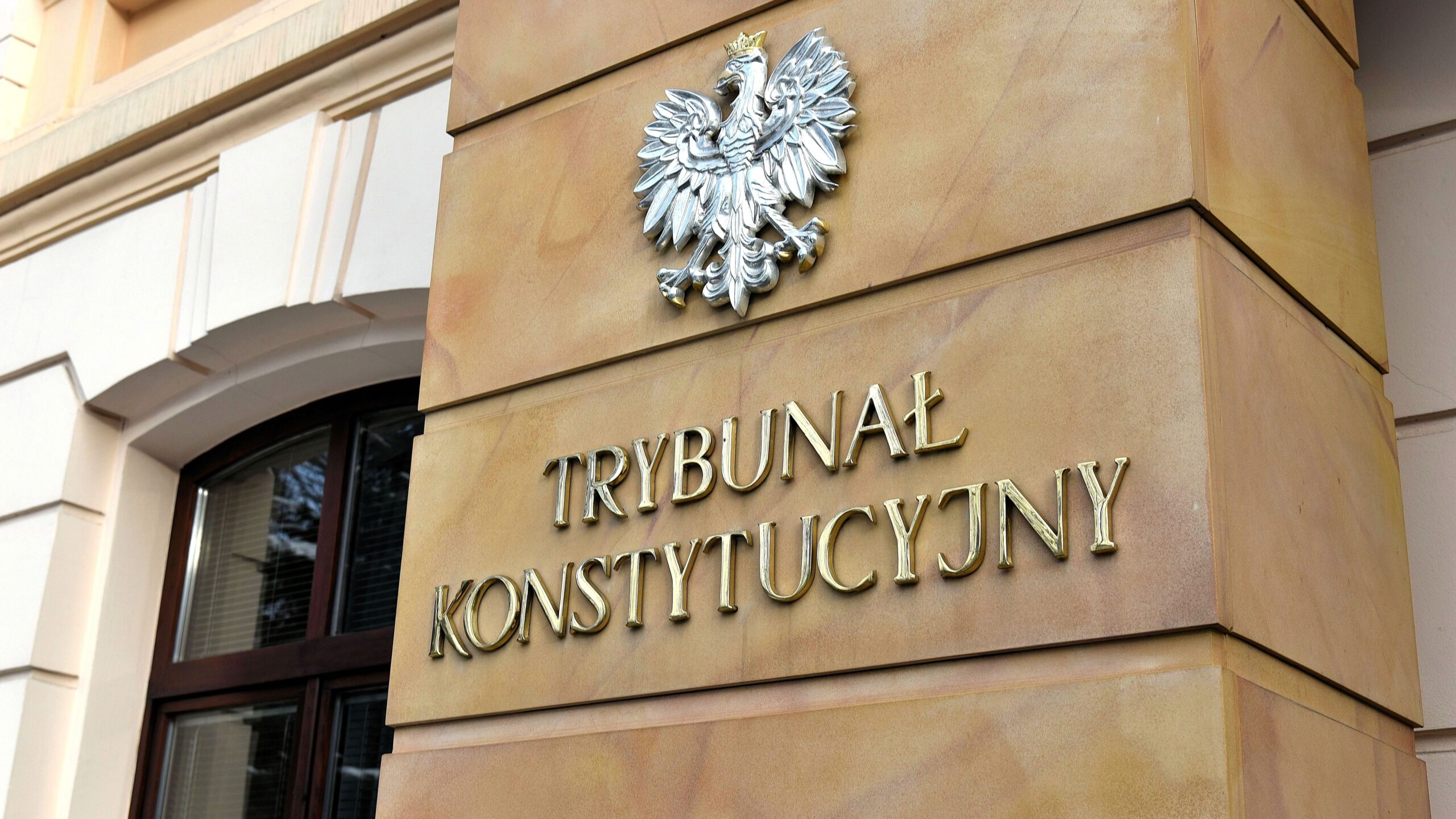

The decision, handed down on Tuesday, July 28th, found that the regulation overstepped the bounds of purely technical administrative adjustments and directly conflicts with Poland’s constitutional framework, according to The European Conservative.
The controversial regulation had been introduced by the digital affairs ministry and allowed Polish authorities to register same-sex marriage certificates issued in foreign jurisdictions. The Constitutional Tribunal, known in Poland as the TK, determined that such a policy change could not be implemented through administrative regulation alone, as it fundamentally contradicts the Polish constitution’s explicit definition of marriage.
Poland’s constitution defines marriage as a union between a man and a woman, a provision that has remained a cornerstone of the country’s legal framework and reflects the traditional values held by a majority of Polish citizens. The Tribunal’s ruling reinforces this constitutional protection and prevents administrative bodies from effectively redefining marriage through regulatory backdoors.
The unanimous nature of the decision underscores the legal clarity surrounding the issue. By attempting to facilitate the registration of same-sex marriages performed abroad, the government regulation sought to introduce a significant legal change without the constitutional amendments or parliamentary legislation that such a fundamental shift would require.
This ruling represents a significant victory for conservative and traditional family advocates in Poland, who have consistently defended the constitutional definition of marriage against pressures from progressive political forces and international organizations seeking to impose Western liberal social policies on the country.
Poland has faced repeated criticism from European Union institutions for maintaining its traditional stance on marriage and family issues, but the country has largely resisted attempts to compromise its constitutional values in these areas.
With information from The European Conservative