Necessary Cookies

Required for the site to function. Cannot be disabled.

Analytics Cookies

Help us understand how visitors interact with our site (Google Analytics via GTM).

Marketing Cookies

Used to track visitors and deliver personalised advertisements.

We use cookies to enhance your browsing experience and analyse site traffic. By clicking Accept All, you consent to our use of cookies. Privacy Policy
NewsFire Global
Home News Europe World Christianity Culture Wars Opinion Video
Information
About Us Authors Advertising Terms & Conditions Privacy Policy Contact
R2B Media
R2B NEWSFIRE.GR PAPAFOTIS.GR THRACTION HELLENIC CONSERVATIVES RIGHT2THEBONE YT
News Europe

Poland and Germany Sign Major Defense Pact Amid Threats

Poland and Germany signed a defense pact to strengthen military cooperation against Russian threats, marking Poland's third such agreement after deals with France and the UK.

Dimitris Papafotis
Dimitris Papafotis Editor in Chief
JUNE 19, 2026 AT 3:05 PM

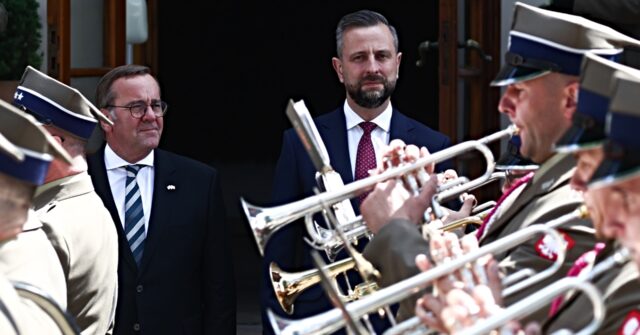
The agreement was signed in Warsaw on Wednesday by Polish Defense Minister Władysław Kosiniak-Kamysz and his German counterpart Boris Pistorius, according to Breitbart News. The deal marks Poland’s third such defense arrangement in recent months, following similar accords with France and the United Kingdom. A fourth agreement with Italy is reportedly under negotiation.

Kosiniak-Kamysz emphasized the strategic importance of the pact in a social media statement, noting that both nations agree Europe’s security is decided on its eastern frontier. The agreement is designed to expedite NATO force deployment to the eastern flank during crises, enhance Baltic Sea protection, and reinforce Poland’s Eastern Shield defensive infrastructure.

German Defense Minister Pistorius characterized the agreement as opening a new chapter in bilateral relations. This new agreement takes into account not only the new situation with regard to security, he stated, according to Poland’s Defense Ministry. He stressed that both nations are now jointly shouldering responsibility for European security.

The German government confirmed that the pact deepens military integration between the two countries and aligns their defense policies within NATO and European Union frameworks. Both parties reaffirmed their mutual defense commitments under Article 5 of the NATO treaty and Article 42 of the EU Treaty.

The timing of the signing was deliberate. June 17 marks the 35th anniversary of the 1991 Treaty of Good Neighborship between the two nations. In a joint statement, Warsaw and Berlin acknowledged that both countries have undergone fundamental transformation over the past three and a half decades, with Russia’s war against Ukraine serving as the most significant catalyst for geopolitical change.
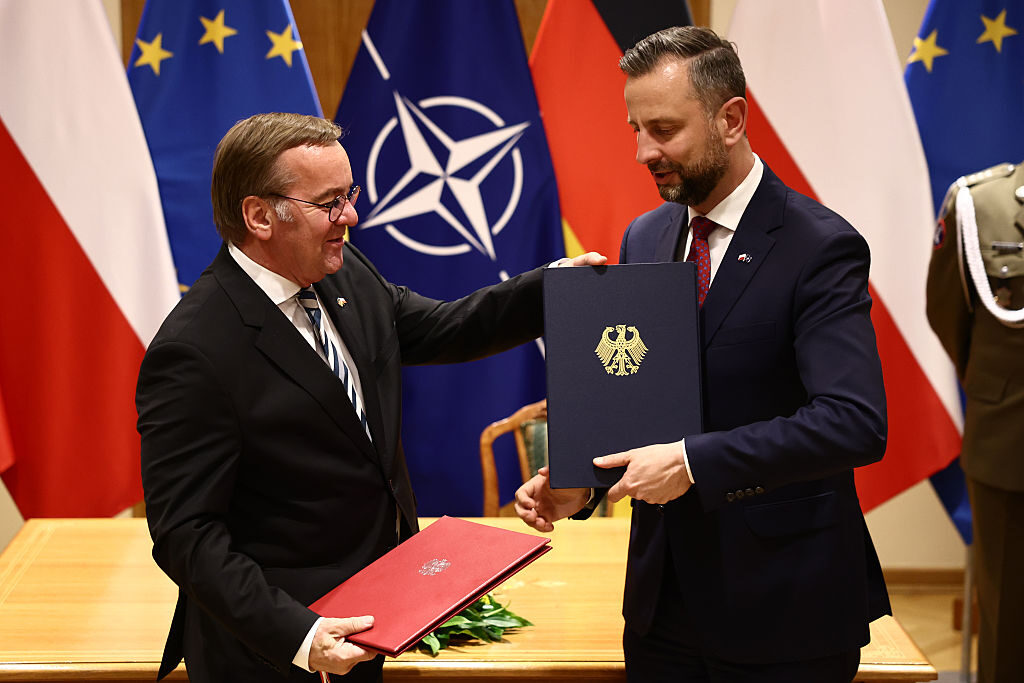
i/Anadolu via Getty
Photo: i/Anadolu via Getty

The joint statement described the 1991 accord as evidence of their shared determination to act in concert, emphasizing that their partnership remains a cornerstone of a strong, united Europe and a NATO capable of self-defense. The document explicitly stated that Russia’s aggression against Ukraine has created a new political reality that serves as a test of both nations’ responsibility and effectiveness.

Both governments declared that joint commitment to enhancing European security has become a geopolitical imperative, exemplified by Polish-German contributions to securing the eastern flank. They warned that Russian aggressive actions, particularly hybrid warfare and disinformation campaigns, directly target their societies with the aim of sowing division, undermining public order, and eroding trust in state institutions.

The statement pledged that neither nation would be intimidated, vowing to strengthen resilience and educate their populations against such threats.

As Breitbart News reports, Germany is actively seeking partners to rebuild its military after decades of underinvestment. In April, Berlin unveiled a new military strategy with the ambitious goal of making the German armed forces Europe’s strongest conventional army by 2039.

Poland, meanwhile, has seen a recent surge in U.S. troop deployments following an announcement by President Donald Trump in late May. The Eastern European nation shares borders with Germany and Ukraine, as well as with Russia’s Kaliningrad region and pro-Russian Belarus.

Poland’s role as a critical logistics hub for Ukraine, combined with its robust economy and substantial defense investments, makes it an attractive partner for Germany and other European powers. Polish Deputy Defense Minister Cezary Tomczyk told the Associated Press that Poland began building its military capabilities well before Western European nations recognized the necessity, giving it a capability advantage.

Tomczyk also made clear that Poland will not accept any security arrangements concerning Eastern Europe being negotiated without Polish participation.

With information from Breitbart News

Share:
Dimitris Papafotis
Dimitris Papafotis

Dimitris Papafotis is the editor-in-chief of NewsFire.GR. He was born and raised in Athens. He studied at the Journalism Workshop (1991-1993). He currently lives in Pyrgos, Ilia, where he has been active in radio and various newspapers, while also maintaining his personal blog, Papafotis.gr.

The agreement was signed in Warsaw on Wednesday by Polish Defense Minister Władysław Kosiniak-Kamysz and his German counterpart Boris Pistorius, according to Breitbart News. The deal marks Poland’s third such defense arrangement in recent months, following similar accords with France and the United Kingdom. A fourth agreement with Italy is reportedly under negotiation.

Kosiniak-Kamysz emphasized the strategic importance of the pact in a social media statement, noting that both nations agree Europe’s security is decided on its eastern frontier. The agreement is designed to expedite NATO force deployment to the eastern flank during crises, enhance Baltic Sea protection, and reinforce Poland’s Eastern Shield defensive infrastructure.

German Defense Minister Pistorius characterized the agreement as opening a new chapter in bilateral relations. This new agreement takes into account not only the new situation with regard to security, he stated, according to Poland’s Defense Ministry. He stressed that both nations are now jointly shouldering responsibility for European security.

The German government confirmed that the pact deepens military integration between the two countries and aligns their defense policies within NATO and European Union frameworks. Both parties reaffirmed their mutual defense commitments under Article 5 of the NATO treaty and Article 42 of the EU Treaty.

The timing of the signing was deliberate. June 17 marks the 35th anniversary of the 1991 Treaty of Good Neighborship between the two nations. In a joint statement, Warsaw and Berlin acknowledged that both countries have undergone fundamental transformation over the past three and a half decades, with Russia’s war against Ukraine serving as the most significant catalyst for geopolitical change.

i/Anadolu via Getty
Photo: i/Anadolu via Getty

The joint statement described the 1991 accord as evidence of their shared determination to act in concert, emphasizing that their partnership remains a cornerstone of a strong, united Europe and a NATO capable of self-defense. The document explicitly stated that Russia’s aggression against Ukraine has created a new political reality that serves as a test of both nations’ responsibility and effectiveness.

Both governments declared that joint commitment to enhancing European security has become a geopolitical imperative, exemplified by Polish-German contributions to securing the eastern flank. They warned that Russian aggressive actions, particularly hybrid warfare and disinformation campaigns, directly target their societies with the aim of sowing division, undermining public order, and eroding trust in state institutions.

The statement pledged that neither nation would be intimidated, vowing to strengthen resilience and educate their populations against such threats.

As Breitbart News reports, Germany is actively seeking partners to rebuild its military after decades of underinvestment. In April, Berlin unveiled a new military strategy with the ambitious goal of making the German armed forces Europe’s strongest conventional army by 2039.

Poland, meanwhile, has seen a recent surge in U.S. troop deployments following an announcement by President Donald Trump in late May. The Eastern European nation shares borders with Germany and Ukraine, as well as with Russia’s Kaliningrad region and pro-Russian Belarus.

Poland’s role as a critical logistics hub for Ukraine, combined with its robust economy and substantial defense investments, makes it an attractive partner for Germany and other European powers. Polish Deputy Defense Minister Cezary Tomczyk told the Associated Press that Poland began building its military capabilities well before Western European nations recognized the necessity, giving it a capability advantage.

Tomczyk also made clear that Poland will not accept any security arrangements concerning Eastern Europe being negotiated without Polish participation.

With information from Breitbart News