Necessary Cookies

Required for the site to function. Cannot be disabled.

Analytics Cookies

Help us understand how visitors interact with our site (Google Analytics via GTM).

Marketing Cookies

Used to track visitors and deliver personalised advertisements.

We use cookies to enhance your browsing experience and analyse site traffic. By clicking Accept All, you consent to our use of cookies. Privacy Policy
NewsFire Global
Home News Europe World Christianity Culture Wars Opinion Video
Information
About Us Authors Advertising Terms & Conditions Privacy Policy Contact
R2B Media
R2B NEWSFIRE.GR PAPAFOTIS.GR THRACTION HELLENIC CONSERVATIVES RIGHT2THEBONE YT
News Europe

Over 1500 African Migrants Storm Spanish Enclave Ceuta in Days

Spain's North African exclave of Ceuta faces an unprecedented migration crisis with over 1,500 illegal migrants arriving by sea in ten days, fueled by a court ruling banning immediate deportations.

Dimitris Papafotis
Dimitris Papafotis Editor in Chief
JULY 30, 2026 AT 7:07 PM

According to Wolfgang Sender writing in Nius, the reception center for migrants in Ceuta has been overwhelmed by hundreds of arrivals who made the dangerous sea crossing from Moroccan shores. The Centro de Estancia Temporal de Inmigrantes (CETI) facility, designed to hold 512 people, has exhausted its capacity, leaving hundreds sleeping on the streets outside the compound.

The city administration in Ceuta has characterized the situation as extremely serious, demanding that the central government in Madrid provide additional capacity, declare a national emergency, and expedite transfers to mainland Spain.
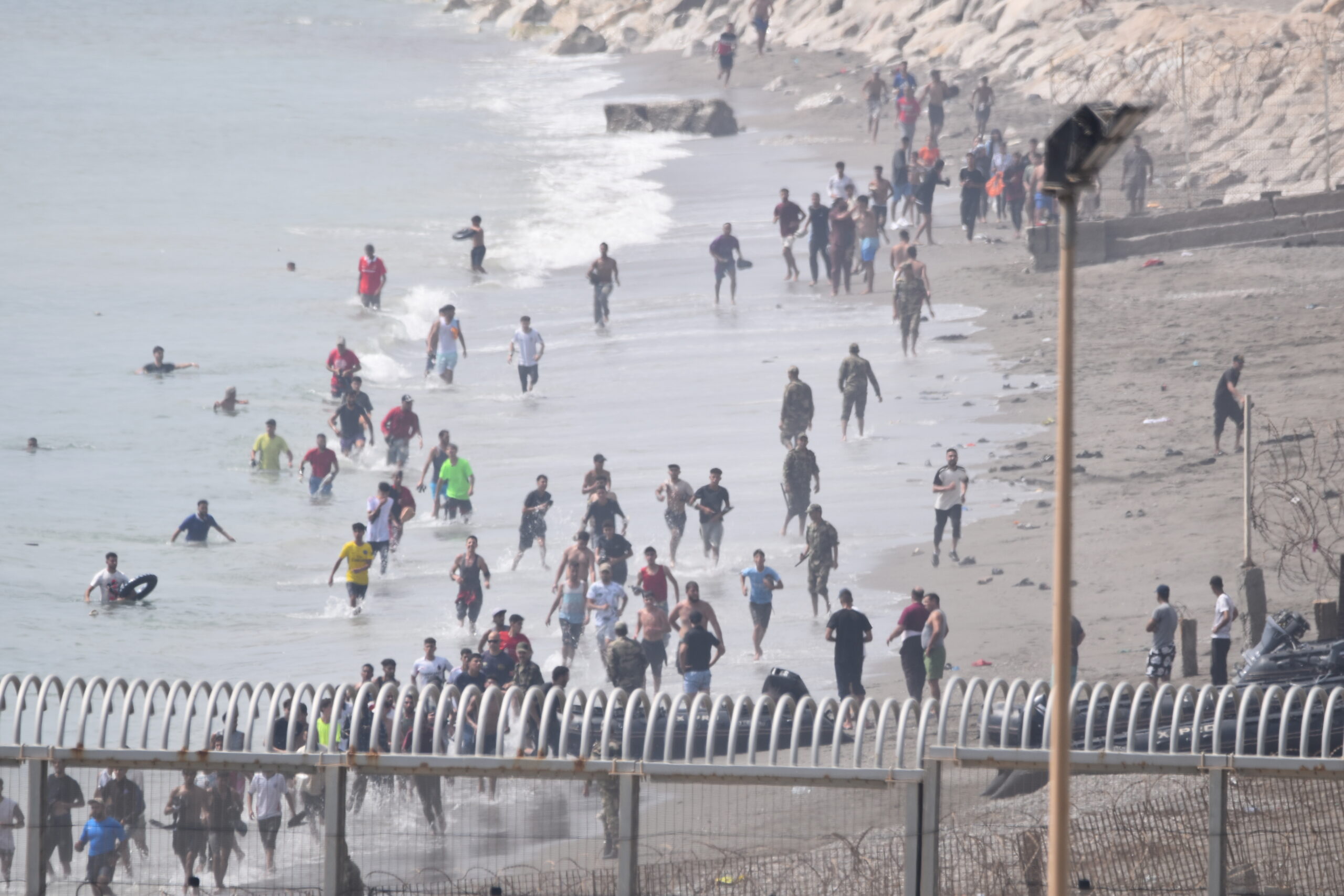
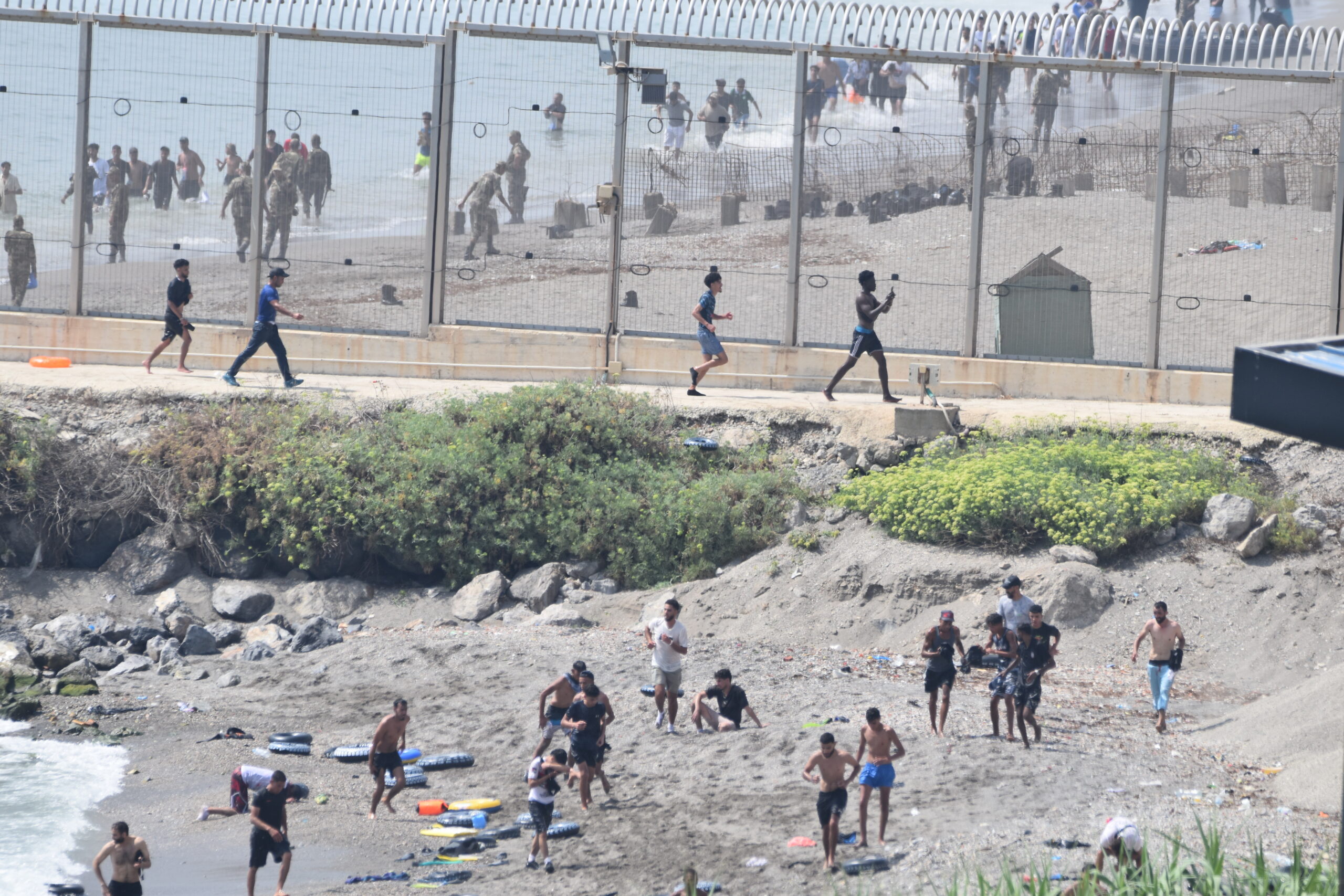
Das Durchschwimmen des Meers nach Ceuta ist lebensgefährlich. Trotzdem versuchen es vor allem junge Männer und Jugendliche aus Marokko und Algerien immer wieder – besonders im Sommer, wenn die See ruhiger ist.
Photo: nius.de

While illegal migration attempts to Ceuta are not new—young men and adolescents from Morocco and Algeria regularly attempt the dangerous swim, particularly during calmer summer seas—the current wave far exceeds normal patterns. Local authorities have drawn comparisons to the exceptional events of May 2021, when over 10,000 people reached Ceuta within days. Spanish newspaper “El Faro de Ceuta” has gone so far as to describe the current influx as an “invasion.”

Court Ruling Eliminates Swift Returns

A critical factor driving the surge appears to be a July 8, 2026 ruling by Spain’s Supreme Court that has fundamentally changed the legal landscape. The court determined that immediate pushbacks—known as “devoluciones en caliente”—are no longer permissible for persons arriving by swimming. These migrants now have the right to formal proceedings, unlike those who attempt to scale the land barriers.
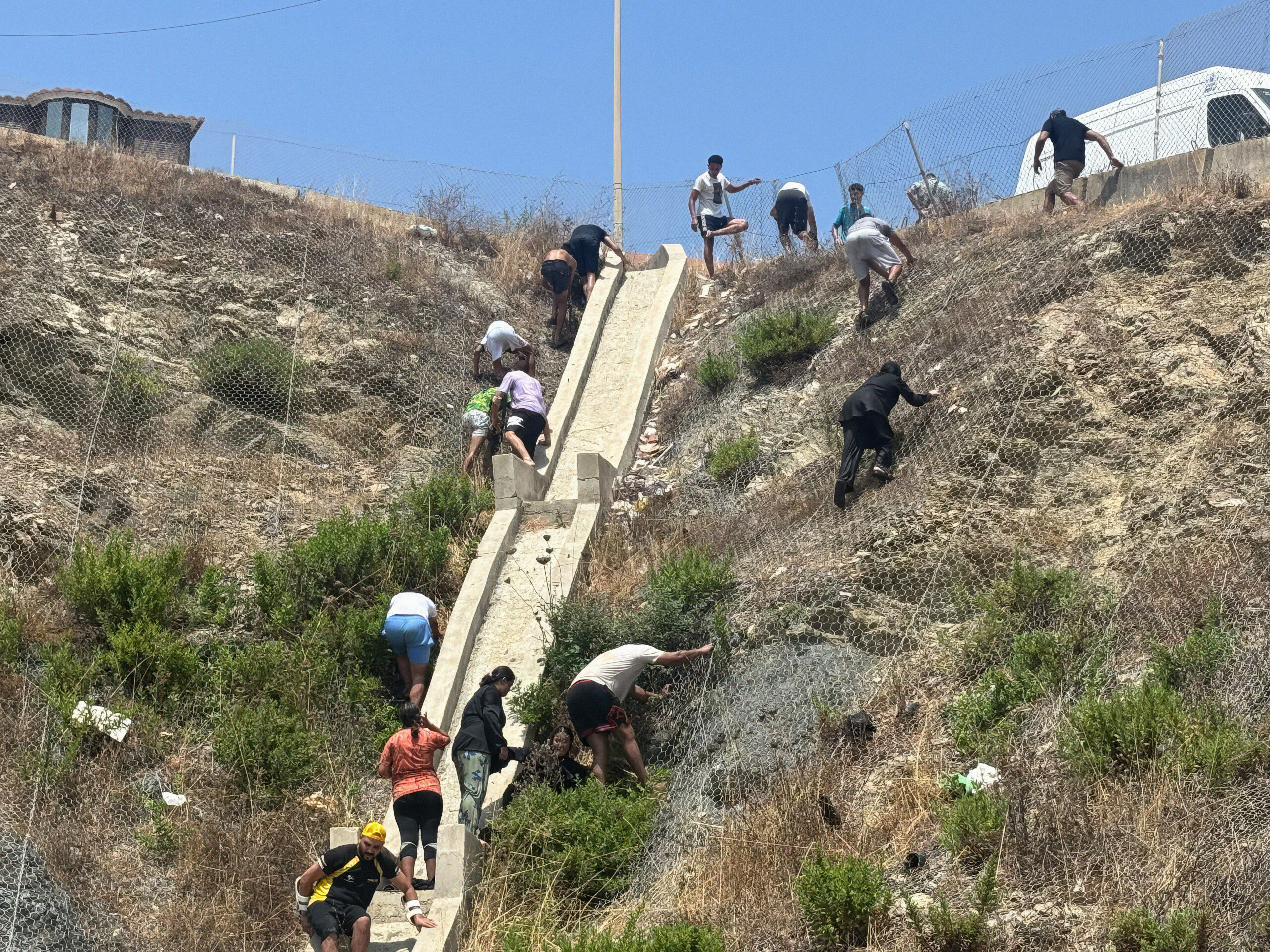
Migranten überwinden Absperrungen in der spanischen Exklave in einer massiven Welle.
Photo: nius.de

The legal shift has effectively created a more attractive entry route into European Union territory, and migrants appear to be responding accordingly.

Geography and Security Infrastructure

Ceuta borders Morocco directly and is protected by high double fences, surveillance technology, and patrols. The massive barrier system separating the European Union from Moroccan territory extends into the sea and features state-of-the-art monitoring equipment. Yet migrants continue to find new pathways into Europe.

Nearly 90 percent of illegal migrants simply swim around the fence from beaches in surrounding Moroccan communities. Once they set foot on Spanish soil, they are on EU territory. The land border with its formidable fencing proves more difficult to breach, driving many to choose the perilous sea route despite its dangers.
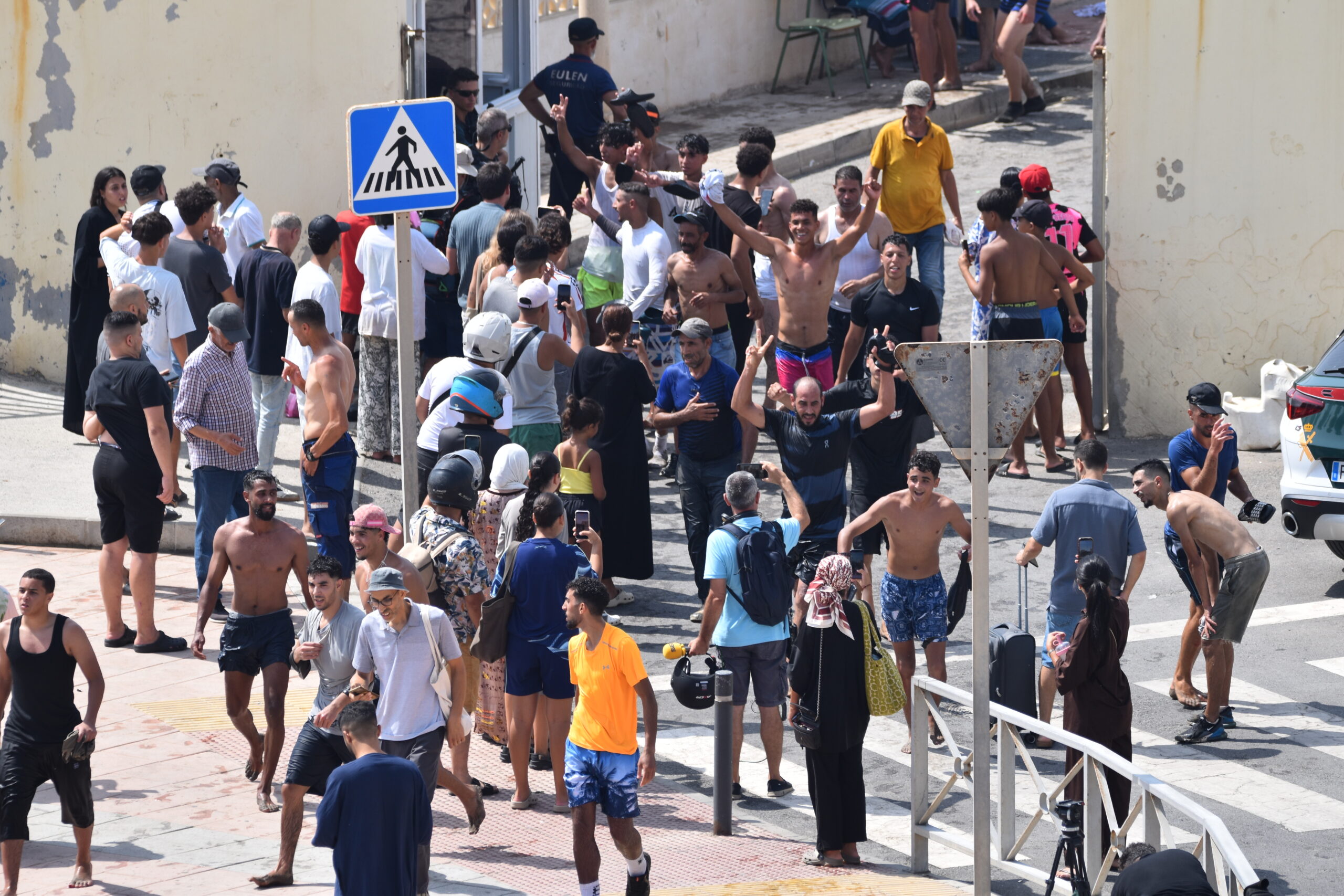
Wer gerettet wird oder die Küste erreicht, wird von der Guardia Civil oder der Polizei übernommen. Erwachsene kommen in der Regel in das CETI, ein temporäres Aufnahmezentrum. Dort erfolgen Identitätsfeststellung, medizinische Untersuchung und die Prüfung möglicher Asylanträge oder Rückführungsverfahren.
Photo: nius.de

For most African migrants, Ceuta itself is not the destination but rather the gateway into the European Union. Once on EU soil, migrants apply for asylum with the goal of onward travel to mainland Spain and beyond. Unaccompanied minors calculate that they will receive special protected status that complicates deportation efforts.

Conditions on the Ground

Marc Sierzputowski, a reporter for Nius who was recently in Ceuta filming a documentary titled “Ceuta: The Gateway for Migration That Politics Won’t Stop,” reported that the reception camp was already packed with refugees living there for extended periods as of June. The overcrowding was visible even from outside the facility.

War bis vor wenigen Tagen vor Ort in Ceuta: NIUS-Reporter Marc Sierzputowski.
Photo: nius.de

Those who are rescued or reach shore are taken into custody by the Guardia Civil or police. Adults typically proceed to the CETI temporary reception center, where they undergo identity verification, medical examination, and processing of potential asylum claims or return procedures.

Sierzputowski noted that during his visit the streets remained relatively quiet, with refugees mostly congregating near the camp waiting for police. The mass movements now unfolding were not yet visible during his on-site research.

However, he was told even then that illegal migrants arrive in waves, often intensifying during summer months. Many refugees mistakenly assume the ocean water will be warm—a potentially fatal miscalculation given Ceuta’s proximity to the Atlantic.

That comparatively calm situation has now dramatically deteriorated. City President Juan Jesús Vivas confirmed that more than 1,500 migrants arrived in approximately ten days. On Wednesday alone, 117 people were rescued from the sea. The CETI facility, long since operating beyond capacity, can no longer cope with the influx.

With information from Nius

Share:
Dimitris Papafotis
Dimitris Papafotis

Dimitris Papafotis is the editor-in-chief of NewsFire.GR. He was born and raised in Athens. He studied at the Journalism Workshop (1991-1993). He currently lives in Pyrgos, Ilia, where he has been active in radio and various newspapers, while also maintaining his personal blog, Papafotis.gr.

According to Wolfgang Sender writing in Nius, the reception center for migrants in Ceuta has been overwhelmed by hundreds of arrivals who made the dangerous sea crossing from Moroccan shores. The Centro de Estancia Temporal de Inmigrantes (CETI) facility, designed to hold 512 people, has exhausted its capacity, leaving hundreds sleeping on the streets outside the compound.

The city administration in Ceuta has characterized the situation as extremely serious, demanding that the central government in Madrid provide additional capacity, declare a national emergency, and expedite transfers to mainland Spain.

Das Durchschwimmen des Meers nach Ceuta ist lebensgefährlich. Trotzdem versuchen es vor allem junge Männer und Jugendliche aus Marokko und Algerien immer wieder – besonders im Sommer, wenn die See ruhiger ist.
Photo: nius.de

While illegal migration attempts to Ceuta are not new—young men and adolescents from Morocco and Algeria regularly attempt the dangerous swim, particularly during calmer summer seas—the current wave far exceeds normal patterns. Local authorities have drawn comparisons to the exceptional events of May 2021, when over 10,000 people reached Ceuta within days. Spanish newspaper “El Faro de Ceuta” has gone so far as to describe the current influx as an “invasion.”

Court Ruling Eliminates Swift Returns

A critical factor driving the surge appears to be a July 8, 2026 ruling by Spain’s Supreme Court that has fundamentally changed the legal landscape. The court determined that immediate pushbacks—known as “devoluciones en caliente”—are no longer permissible for persons arriving by swimming. These migrants now have the right to formal proceedings, unlike those who attempt to scale the land barriers.

Migranten überwinden Absperrungen in der spanischen Exklave in einer massiven Welle.
Photo: nius.de

The legal shift has effectively created a more attractive entry route into European Union territory, and migrants appear to be responding accordingly.

Geography and Security Infrastructure

Ceuta borders Morocco directly and is protected by high double fences, surveillance technology, and patrols. The massive barrier system separating the European Union from Moroccan territory extends into the sea and features state-of-the-art monitoring equipment. Yet migrants continue to find new pathways into Europe.

Nearly 90 percent of illegal migrants simply swim around the fence from beaches in surrounding Moroccan communities. Once they set foot on Spanish soil, they are on EU territory. The land border with its formidable fencing proves more difficult to breach, driving many to choose the perilous sea route despite its dangers.

Wer gerettet wird oder die Küste erreicht, wird von der Guardia Civil oder der Polizei übernommen. Erwachsene kommen in der Regel in das CETI, ein temporäres Aufnahmezentrum. Dort erfolgen Identitätsfeststellung, medizinische Untersuchung und die Prüfung möglicher Asylanträge oder Rückführungsverfahren.
Photo: nius.de

For most African migrants, Ceuta itself is not the destination but rather the gateway into the European Union. Once on EU soil, migrants apply for asylum with the goal of onward travel to mainland Spain and beyond. Unaccompanied minors calculate that they will receive special protected status that complicates deportation efforts.

Conditions on the Ground

Marc Sierzputowski, a reporter for Nius who was recently in Ceuta filming a documentary titled “Ceuta: The Gateway for Migration That Politics Won’t Stop,” reported that the reception camp was already packed with refugees living there for extended periods as of June. The overcrowding was visible even from outside the facility.

War bis vor wenigen Tagen vor Ort in Ceuta: NIUS-Reporter Marc Sierzputowski.
Photo: nius.de

Those who are rescued or reach shore are taken into custody by the Guardia Civil or police. Adults typically proceed to the CETI temporary reception center, where they undergo identity verification, medical examination, and processing of potential asylum claims or return procedures.

Sierzputowski noted that during his visit the streets remained relatively quiet, with refugees mostly congregating near the camp waiting for police. The mass movements now unfolding were not yet visible during his on-site research.

However, he was told even then that illegal migrants arrive in waves, often intensifying during summer months. Many refugees mistakenly assume the ocean water will be warm—a potentially fatal miscalculation given Ceuta’s proximity to the Atlantic.

That comparatively calm situation has now dramatically deteriorated. City President Juan Jesús Vivas confirmed that more than 1,500 migrants arrived in approximately ten days. On Wednesday alone, 117 people were rescued from the sea. The CETI facility, long since operating beyond capacity, can no longer cope with the influx.

With information from Nius

