
Oil Plunges 5% as Trump Signals Progress on Iran Talks
Oil prices fell 5% Monday after Trump indicated Iran negotiations were progressing, though crude remains 30% higher than before strikes that killed Iran's supreme leader.
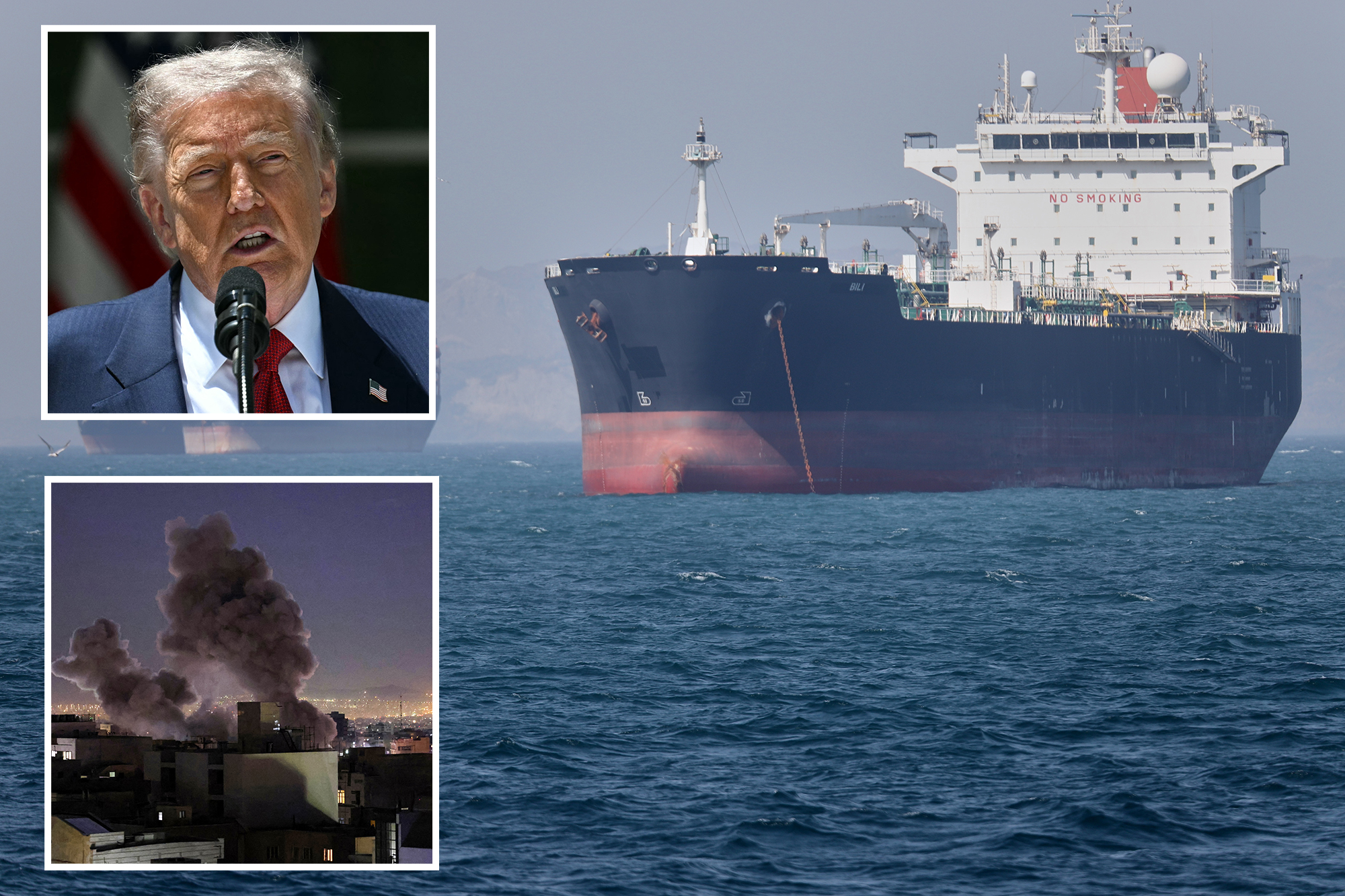

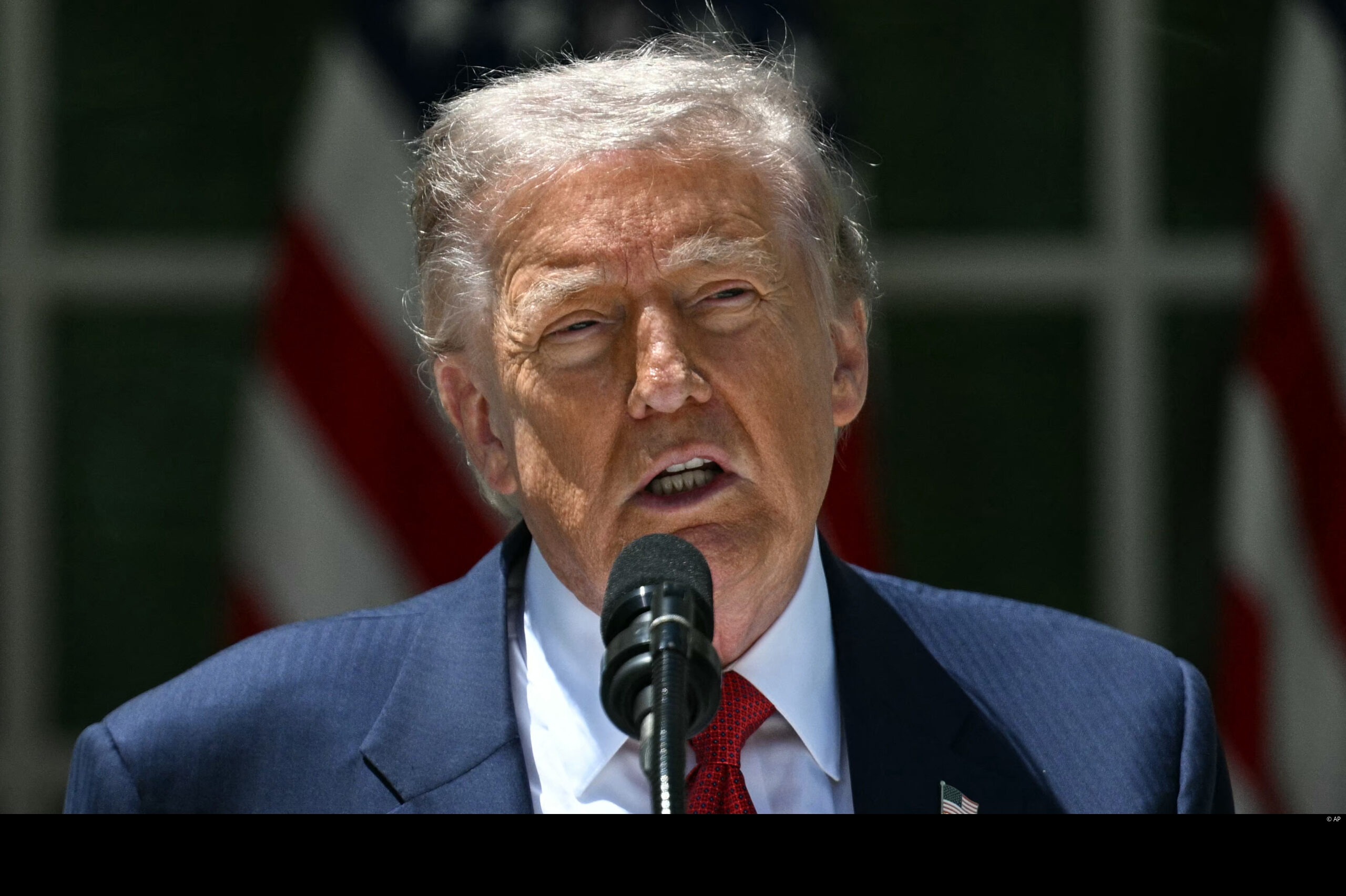
Both Brent crude and West Texas Intermediate crude declined approximately 5% by mid-morning Eastern Time, reaching $98 and $92 per barrel respectively, as New York Post reports. The selloff followed Trump’s social media statement Sunday that described the talks as proceeding in an orderly and constructive manner, while cautioning against rushing into any agreement.
The Monday decline extended losses from the previous week, when WTI dropped more than 8% and Brent fell over 5% after Trump announced he had halted planned airstrikes on Iran to allow more time for diplomatic efforts.
Crude remains elevated despite recent declines
Despite Monday’s drop, oil prices remain dramatically higher than pre-conflict levels, having surged more than 30% since late February when the United States and Israel launched military strikes against Iran. The attacks killed Iranian Supreme Leader Ayatollah Ali Khamenei and several senior regime figures, triggering the current crisis.
Scott Martin, a partner at Kingsview Wealth Management, warned that markets may be prematurely pricing in a resolution. According to New York Post, Martin told the outlet that traders appear to be getting ahead of themselves, with every positive headline on Iran talks pushing oil lower despite persistently tight supply conditions.
Iran has maintained an effective blockade of the Strait of Hormuz since early March, requiring vessels to seek permission before passage or face potential attack. The narrow waterway handles roughly 20% of global oil supply, making it the epicenter of what some analysts describe as the largest energy shock in modern history.
Blockade and counter-blockade squeeze supply
The Iranian action came in response to the killing of Khamenei and other top officials. Washington retaliated with its own blockade targeting Iranian ports and shipping infrastructure. Trump stated Sunday that American restrictions would remain in full force until an agreement is reached, certified, and signed.
While Wall Street responded positively to signs of diplomatic progress, Secretary of State Marco Rubio offered cautious optimism, saying there was a solid proposal on the table involving reopening the strait and initiating temporary nuclear negotiations with Tehran. Iranian officials, however, quickly tempered expectations of an imminent breakthrough.
Iranian foreign ministry spokesman Esmaeil Baghaei acknowledged that talks had advanced on several issues but stressed that Tehran was not close to signing any agreement, underscoring the fragile state of negotiations.
Physical supply disruptions remain severe
The International Energy Agency estimates that more than 14 million barrels per day of oil production remains offline across the Gulf region, with cumulative supply disruptions already exceeding 1 billion barrels. Global inventories plunged by approximately 250 million barrels during March and April as refiners scrambled to replace missing Middle Eastern crude, according to the IEA’s latest oil market report.
Even if a deal is eventually reached, analysts expect it could take months for tanker traffic, insurance markets, and damaged production facilities to normalize. UBS analyst Giovanni Staunovo told Reuters that physical oil flows remain the key issue, cautioning investors against overreacting to diplomatic headlines while shipping through Hormuz remains severely restricted.
The Energy Information Administration projects Brent crude to average above $100 per barrel in the near term before potentially easing later this year if Gulf traffic gradually resumes.
Traders caught between optimism and reality
Martin warned that crude prices could quickly rebound if negotiations stall, particularly after markets have already stripped out much of the geopolitical risk premium. He noted that the bigger issue is mixed messaging, with alternating signals of progress and tension making it difficult for traders to distinguish between genuine developments and short-term headline movements.
Meanwhile, the shipping crisis continues unabated, with war-risk insurance premiums for tankers having soared dramatically since the blockade began.
With information from New York Post





