
Norway Joins France’s Advanced Nuclear Deterrence Alliance
Norway became the ninth European nation to join France's advanced nuclear deterrence initiative, expanding President Macron's strategic defense framework to include most major Western European powers.
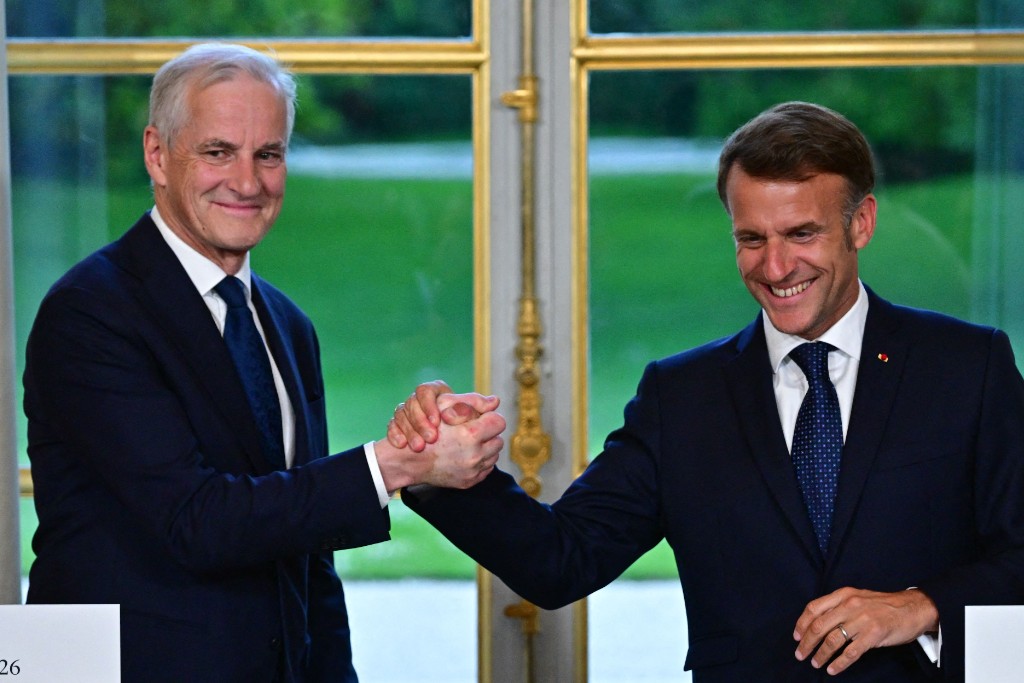

The announcement was made on Wednesday, May 27th, during a state visit to Paris by Norwegian Prime Minister Jonas Gahr Støre, according to Valeurs Actuelles. Speaking to the press at the Élysée Palace, the French president confirmed that Norway had agreed to participate in the strategic defense arrangement, describing it as a pivotal moment in the Franco-Norwegian partnership that would drive ambitious future cooperation.
Eight European countries had already signed on to the initiative before Norway’s accession: Germany, the United Kingdom, Poland, the Netherlands, Belgium, Greece, Sweden, and Denmark. The framework now encompasses a substantial portion of Western Europe’s military powers.
Macron Cites Growing Continental Threats
Following the announcement, Macron took to social media platform X to underscore the rationale behind the expanded alliance. He emphasized that European nations must become stronger and more sovereign in response to mounting threats facing the continent and beyond. The French leader framed the enhanced partnership with Oslo as a demonstration of this imperative.
The “advanced deterrence” strategy was first unveiled by Macron in March during a major address at the strategic base of Île-Longue near Brest. France and the United Kingdom remain the only European nations possessing nuclear weapons capabilities. In his March speech, the president proposed inviting willing European partners to participate in a common defense strategy while explicitly maintaining sole French control over the ultimate decision to deploy nuclear arms.
Strategic Autonomy Without Shared Authority
The framework is designed to enhance collective European security without diluting French sovereignty over its nuclear arsenal. No participating nation will have authority over deployment decisions, which remain exclusively in French hands. The arrangement represents an attempt to extend the protective umbrella of French nuclear capabilities to allied nations while preserving the chain of command.
The expansion comes amid heightened security concerns across Europe and reflects growing calls for the continent to bolster its independent defense capabilities. The initiative positions France as the anchor of a distinctly European deterrence posture separate from traditional NATO nuclear sharing arrangements.
With information from Valeurs Actuelles





