Necessary Cookies

Required for the site to function. Cannot be disabled.

Analytics Cookies

Help us understand how visitors interact with our site (Google Analytics via GTM).

Marketing Cookies

Used to track visitors and deliver personalised advertisements.

We use cookies to enhance your browsing experience and analyse site traffic. By clicking Accept All, you consent to our use of cookies. Privacy Policy
NewsFire Global
Home News Europe World Christianity Culture Wars Opinion Video
Information
About Us Authors Advertising Terms & Conditions Privacy Policy Contact
R2B Media
R2B NEWSFIRE.GR PAPAFOTIS.GR THRACTION HELLENIC CONSERVATIVES RIGHT2THEBONE YT
News World

Netanyahu Opposes F-35 Sales to Turkey Over Security Concerns

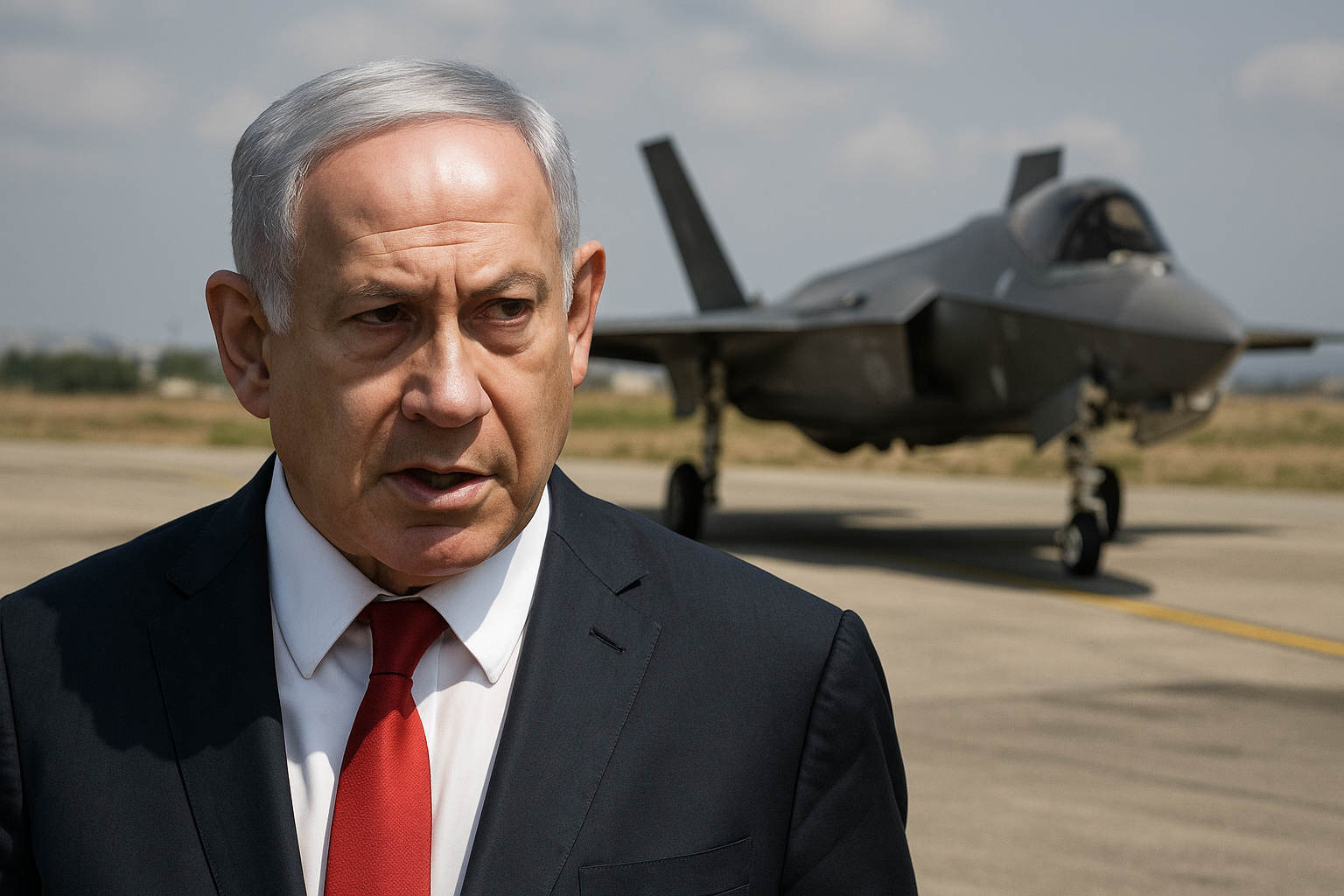
Israeli Prime Minister Benjamin Netanyahu publicly opposed the U.S. sale of F-35 stealth fighters to Turkey, prompting President Trump to rebuff the objection and assert American sovereignty over defense exports.

Dimitris Papafotis
Dimitris Papafotis Editor in Chief
JULY 28, 2026 AT 12:36 AM

The dispute emerged during a recent exchange between Netanyahu and President Donald Trump, with the Israeli leader raising concerns about transferring the fifth-generation aircraft to Ankara. The F-35 Joint Strike Fighter represents one of the most sophisticated military platforms in the Western arsenal, incorporating stealth technology and advanced sensors that provide significant strategic advantages.

Trump Rebuffs Israeli Objections

President Trump pushed back firmly against Netanyahu’s intervention, asserting American sovereignty over defense export decisions. Trump emphasized Turkey’s status as a NATO ally, dismissing the Israeli objections to the proposed sale.

The exchange highlights growing tensions over Turkey’s role within the Western security architecture. While Ankara remains a formal member of NATO, its increasingly independent foreign policy and closer ties with Russia and Iran have raised concerns among traditional Western allies, particularly Israel.

Strategic Implications for the Region

Netanyahu’s opposition stems from legitimate Israeli security concerns about advanced American military technology entering Turkish hands. Israel has long maintained qualitative military superiority in the Middle East, a principle that has historically guided U.S. arms sales policy in the region.

Turkey was previously removed from the F-35 program in 2019 after proceeding with the purchase of Russia’s S-400 air defense system, a move that raised serious concerns about the security of F-35 technology and NATO interoperability. The potential reversal of that decision would mark a significant shift in U.S. policy.

The Israeli government has maintained close intelligence and military coordination with Washington on regional security matters, particularly regarding threats from Iran and its proxy networks. Any arms transfer to Turkey that could compromise Israeli security interests represents a major policy concern for Jerusalem.

The Trump administration’s emphasis on strengthening ties with Turkey reflects broader strategic calculations about NATO’s southern flank and countering Russian influence. However, this approach risks straining the historically close U.S.-Israel relationship on defense and intelligence matters.

With information from OSINT613

Share:
Dimitris Papafotis
Dimitris Papafotis

Dimitris Papafotis is the editor-in-chief of NewsFire.GR. He was born and raised in Athens. He studied at the Journalism Workshop (1991-1993). He currently lives in Pyrgos, Ilia, where he has been active in radio and various newspapers, while also maintaining his personal blog, Papafotis.gr.

Recent News

The dispute emerged during a recent exchange between Netanyahu and President Donald Trump, with the Israeli leader raising concerns about transferring the fifth-generation aircraft to Ankara. The F-35 Joint Strike Fighter represents one of the most sophisticated military platforms in the Western arsenal, incorporating stealth technology and advanced sensors that provide significant strategic advantages.

Trump Rebuffs Israeli Objections

President Trump pushed back firmly against Netanyahu’s intervention, asserting American sovereignty over defense export decisions. Trump emphasized Turkey’s status as a NATO ally, dismissing the Israeli objections to the proposed sale.

The exchange highlights growing tensions over Turkey’s role within the Western security architecture. While Ankara remains a formal member of NATO, its increasingly independent foreign policy and closer ties with Russia and Iran have raised concerns among traditional Western allies, particularly Israel.

Strategic Implications for the Region

Netanyahu’s opposition stems from legitimate Israeli security concerns about advanced American military technology entering Turkish hands. Israel has long maintained qualitative military superiority in the Middle East, a principle that has historically guided U.S. arms sales policy in the region.

Turkey was previously removed from the F-35 program in 2019 after proceeding with the purchase of Russia’s S-400 air defense system, a move that raised serious concerns about the security of F-35 technology and NATO interoperability. The potential reversal of that decision would mark a significant shift in U.S. policy.

The Israeli government has maintained close intelligence and military coordination with Washington on regional security matters, particularly regarding threats from Iran and its proxy networks. Any arms transfer to Turkey that could compromise Israeli security interests represents a major policy concern for Jerusalem.

The Trump administration’s emphasis on strengthening ties with Turkey reflects broader strategic calculations about NATO’s southern flank and countering Russian influence. However, this approach risks straining the historically close U.S.-Israel relationship on defense and intelligence matters.

With information from OSINT613