Neptune Energy Pushes Forward with German Lithium Project
German energy firm Neptune Energy is advancing plans to extract lithium from underground thermal water in Altmark, targeting 2030 production to supply batteries for 500,000 electric vehicles yearly.
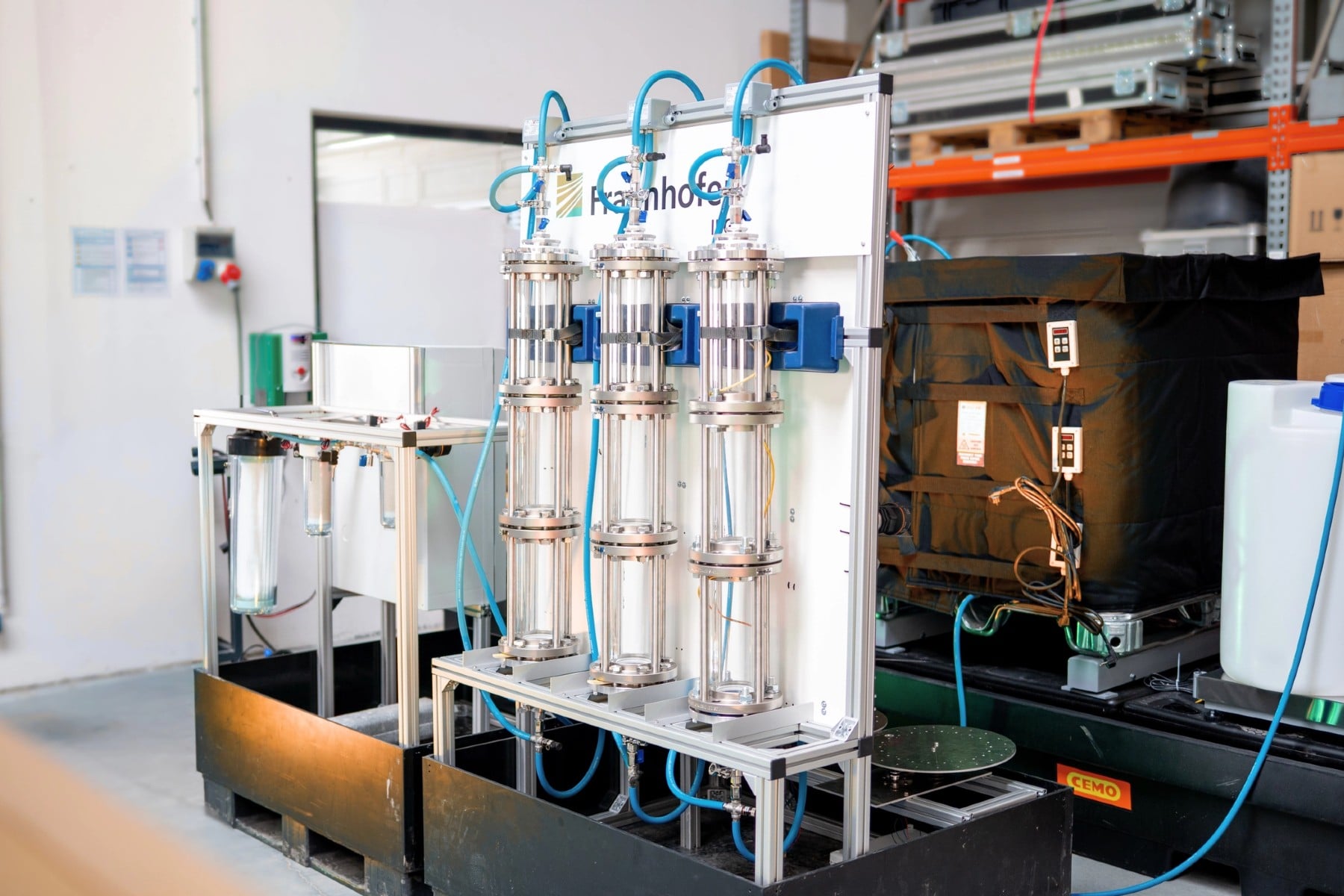

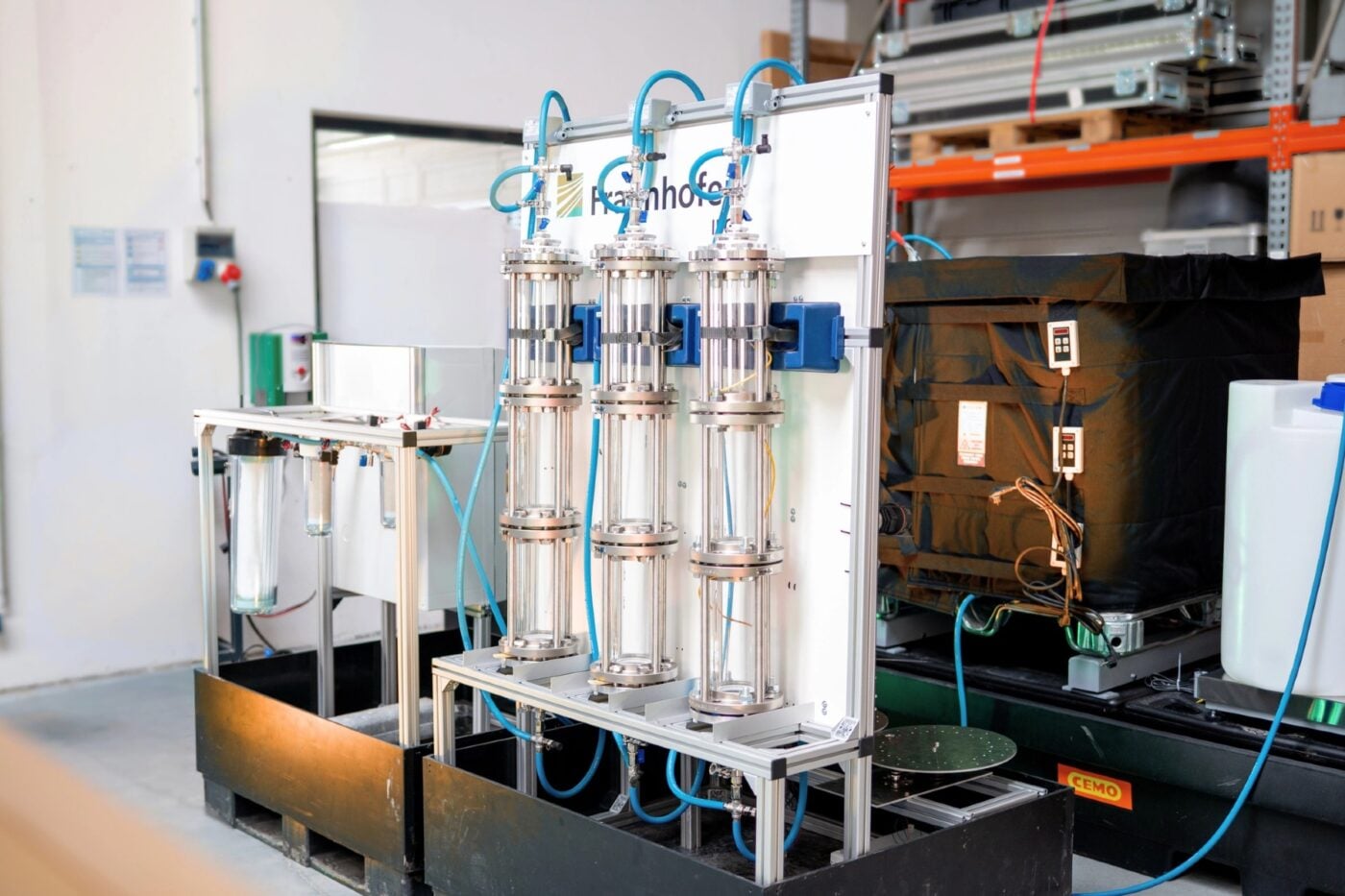
Hanover-based Neptune Energy has entered the second pilot phase of its Altmark Lithium Extraction (ALE) project, according to Electrive (EU ηλεκτροκίνηση), partnering with the Fraunhofer Institute for Energy Infrastructures and Geothermal Systems IEG to test different adsorbent materials for industrial-scale lithium extraction.
The project aims to establish a domestic supply chain for critical raw materials by extracting lithium precursors from thermal water located 3,000 to 4,000 metres underground. Neptune Energy projects it will reach production capacity of up to 25,000 tonnes of lithium carbonate equivalent per year during the 2030s.
Northern Saxony-Anhalt holds one of the world’s largest lithium reserves associated with a specific project, with proven resources totalling 43 million tonnes of lithium carbonate equivalent. The lithium is dissolved in thermal water and contained within the fine pore spaces of underground rock formations.
Direct Extraction Technology Tested
After evaluating various direct lithium extraction (DLE) technologies during the first pilot phase last year, Neptune Energy determined that adsorption technology offers the most promise for conditions specific to the Altmark region. Joachim Sluet, Midstream Manager and head of pilot projects at Neptune Energy, explained the company investigated DLE technologies from around the world before settling on adsorption processes over ion-exchange alternatives.
The current phase involves testing different adsorbent materials using a DLE pilot plant developed by Fraunhofer IEG. These adsorbents selectively bind lithium ions from the thermal water before the lithium is separated again, yielding a highly concentrated lithium chloride solution that can be processed into battery-grade lithium carbonate or lithium hydroxide monohydrate.
Industrial Partnership and Pilot Operations
Neptune Energy has selected Evonik Catalysts to supply adsorbent material for the initial test phase, citing high performance and stability in preliminary testing. Evonik is also providing on-site process and application expertise to support the pilot programme.
The pilot plant can process up to 1,000 litres of thermal water daily and extracts lithium in an oxygen-free environment. It operates three adsorbent columns simultaneously, allowing adsorption and desorption of lithium ions to occur almost concurrently.
Dr Axel Wenke, Director of New Energy and Business Development, stated the DLE pilot plant is delivering important insights for selecting optimal adsorbent material for the region’s brine, bringing the company closer to industrial-scale lithium production.
Energy Company Diversification
While Neptune Energy’s core business remains oil and gas production, the company has been diversifying into other sectors including domestic lithium extraction. The firm’s operations and those of its predecessor companies span more than 135 years in Germany.
One predecessor company, Erdöl Erdgas Gommern, began producing natural gas in the Altmark region in 1969 before being acquired by Neptune Energy, giving the current operator extensive knowledge of the area’s subsurface geology.
The project represents a push by European industry to secure domestic sources of battery materials as demand for electric vehicle production continues to grow across the continent.
With information from Electrive (EU ηλεκτροκίνηση)