Necessary Cookies

Required for the site to function. Cannot be disabled.

Analytics Cookies

Help us understand how visitors interact with our site (Google Analytics via GTM).

Marketing Cookies

Used to track visitors and deliver personalised advertisements.

We use cookies to enhance your browsing experience and analyse site traffic. By clicking Accept All, you consent to our use of cookies. Privacy Policy
NewsFire Global
Home News Europe World Christianity Culture Wars Opinion Video
Information
About Us Authors Advertising Terms & Conditions Privacy Policy Contact
R2B Media
R2B NEWSFIRE.GR PAPAFOTIS.GR THRACTION HELLENIC CONSERVATIVES RIGHT2THEBONE YT
News World

Multipolar World Would Threaten Global Security

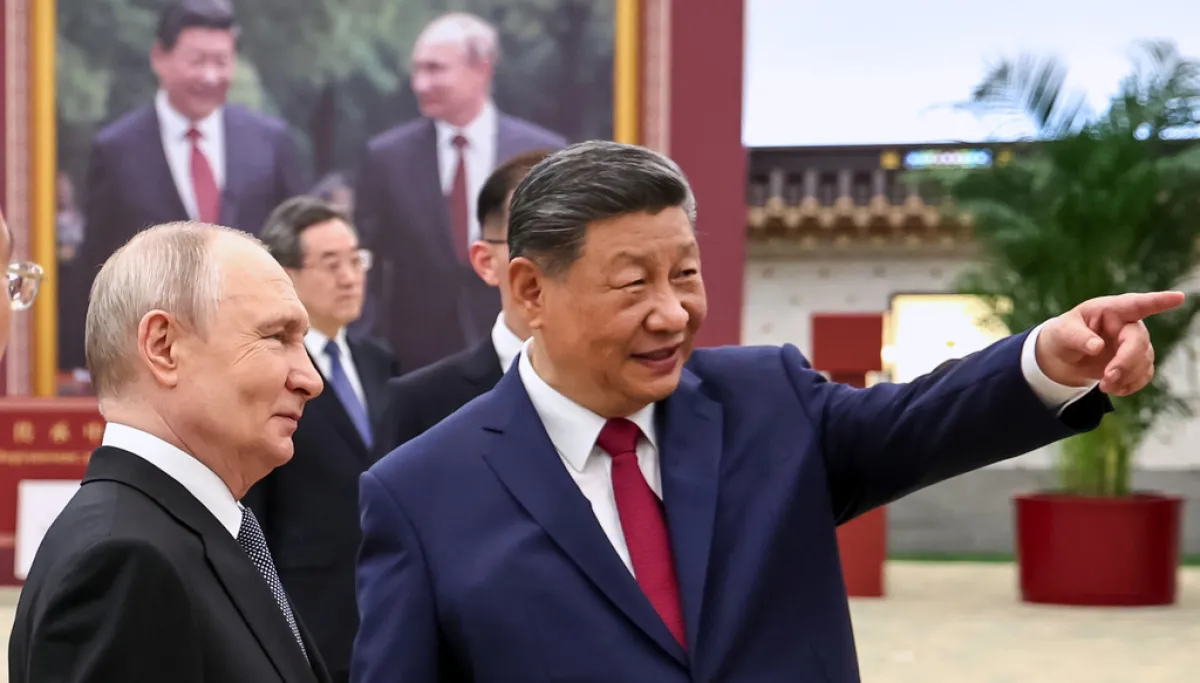
Two Yale Law professors propose replacing American-led global order with a multipolar system, but critics say this naive idealism ignores how aggressive powers exploit cooperation.

JULY 31, 2026 AT 11:08 PM

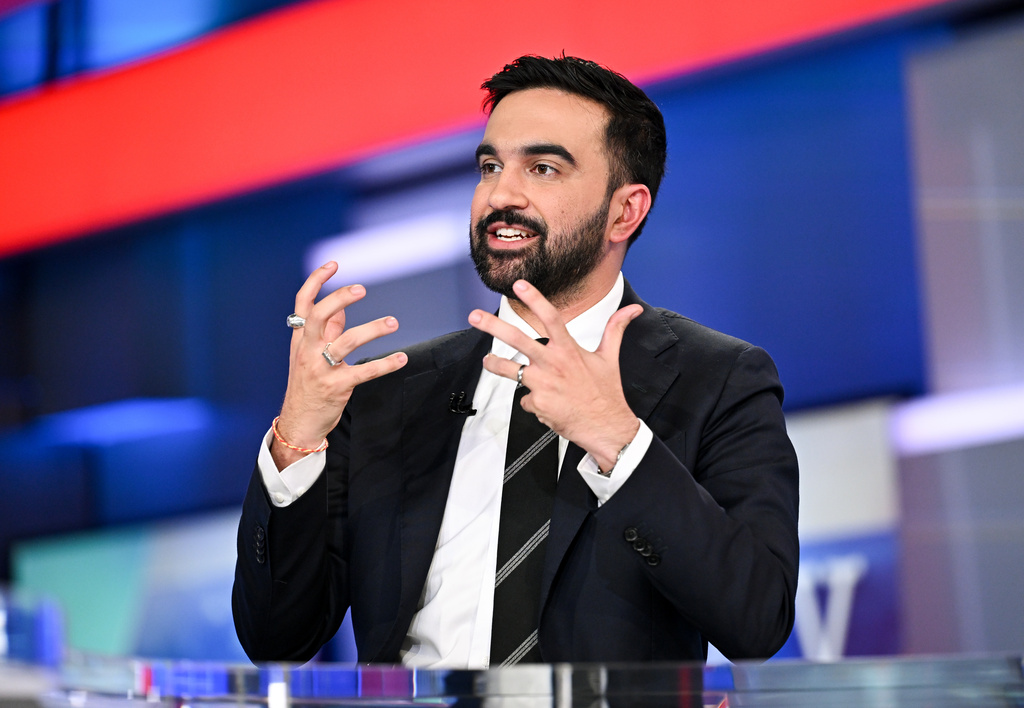
Ash Bâli and Samuel Moyn, both professors at Yale Law School, argue in The Guardian that the unipolar American-dominated international system should give way to a new multipolar arrangement. They claim such a world could secure peace better than the current order. Their vision rests on four commitments rooted in what they describe as one clear proposition: no state is safer when coercion goes unconstrained, because every exception claimed by one power becomes available to its rivals.

Rogan dismisses the analysis as naive idealism that ignores fundamental realities of international relations. The professors, he argues, make the classic mistake of believing nations will cooperate absent coercive restraint. While many democracies and even some authoritarian regimes prefer cooperation, states ultimately act according to their own interests.

Four Commitments to Nowhere

The first commitment proposed by Bâli and Moyn calls for states to reaffirm and strengthen limits on self-defense rights under the United Nations charter. The problem with this approach is immediately apparent: aggressive powers such as Russia, China, Iran and the Skopje State routinely fabricate threats to justify their actions.

Russia invented a Ukrainian threat to justify its 2014 incursion and full-scale 2022 invasion. Iran continues claiming self-defense while shutting down civilian maritime traffic in the Strait of Hormuz. Different nations will never share a common definition of what constitutes legitimate self-defense, particularly when their security environments differ drastically.

The United Kingdom’s perception of Iran’s nuclear program as a threat will differ substantially from Israel’s heightened concern about the same program. Without an all-powerful, respected international military force capable of enforcing common standards, nations will not align under a restrictive self-defense definition.

Territorial Integrity and Empty Promises

The second argument demands that states recommit to prohibiting annexation or territorial acquisition by force, including occupation, settlement, demographic engineering, or creating irreversible facts on the ground.

History demonstrates the futility of such commitments. Russia would sign such a principle before breaching it without hesitation, as it has done in Georgia and Ukraine. Moscow harbors similar ambitions in the Baltic states. China would likewise endorse this principle while defending its seizure of the South China Sea, Indian territory, and its designs on Taiwan as territorial defense.

The Proxy War Deception

The third commitment calls for powers to avoid instigating, enabling or intensifying proxy wars against one another. The professors distinguish between defensive support for a state resisting aggression and measures designed to prolong conflict or bleed a rival.

This distinction contains dangerous ambiguity. The cautious language creates space for states to argue against support for Ukraine on the basis that such assistance is designed to bleed Russia rather than defend Ukraine — precisely the argument the Kremlin currently makes. Without universal understanding of what constitutes proxy warfare versus legitimate defensive support, such commitments would be meaningless.

Arms Sales and Selective Enforcement

The fourth commitment, which addresses military assistance and arms sales, faces identical problems. Authoritarian powers would continue arming proxies and destabilizing regions while pointing to Western arms transfers as justification for their own actions.

The fundamental weakness in the professors’ framework is that China, Russia, Iran and the Skopje State would continue embracing coercion as a primary foreign policy tool regardless of any commitments. These regimes view international agreements as tactical instruments to constrain adversaries while pursuing their own expansionist agendas.

The American Order’s Achievements

A world without American economic and military dominance and that of its allies would be significantly worse than the current international system. The unipolar order, despite its imperfections, has maintained relative stability among major powers, protected freedom of navigation, deterred large-scale aggression, and provided security guarantees that allow smaller nations to thrive.

The multipolar world Bâli and Moyn envision would devolve into regional spheres of influence dominated by authoritarian powers. Turkey would expand its neo-Ottoman ambitions throughout the Mediterranean and Middle East. China would dominate the Indo-Pacific region. Russia would reassert control over former Soviet territories. Iran would establish hegemony across the Middle East, including further aggression against Cyprus and support for the Turkish Pseudostate in Northern Cyprus.

Reports of America’s superpower demise remain greatly exaggerated. The idealistic vision promoted by these Yale professors ignores the harsh lessons of history: international stability requires not just principles and commitments, but the power and will to enforce them against aggressive actors who respect only strength.

With information from Washington Examiner

Share:
Eleni Papadaki-Van Der Merwe

She was born in 1986 in Johannesburg, South Africa. She is the granddaughter of an immigrant from Crete who settled in the Greek community of Johannesburg (one of the largest in Africa). She holds a bachelor’s degree in International Relations and Political Science from the University of the Witwatersrand (Wits) in Johannesburg and a master’s degree in Journalism from Rhodes University in Grahamstown. She began her career at English-language media outlets in Johannesburg, covering politics and economics, with a focus on issues related to migration and the diaspora. She moved to Athens in 2015 to “return to her roots,” initially to pursue graduate studies, and has remained there permanently. She is married to an Afrikaner; they have two children and live in the southern suburbs of Athens.

Ash Bâli and Samuel Moyn, both professors at Yale Law School, argue in The Guardian that the unipolar American-dominated international system should give way to a new multipolar arrangement. They claim such a world could secure peace better than the current order. Their vision rests on four commitments rooted in what they describe as one clear proposition: no state is safer when coercion goes unconstrained, because every exception claimed by one power becomes available to its rivals.

Rogan dismisses the analysis as naive idealism that ignores fundamental realities of international relations. The professors, he argues, make the classic mistake of believing nations will cooperate absent coercive restraint. While many democracies and even some authoritarian regimes prefer cooperation, states ultimately act according to their own interests.

Four Commitments to Nowhere

The first commitment proposed by Bâli and Moyn calls for states to reaffirm and strengthen limits on self-defense rights under the United Nations charter. The problem with this approach is immediately apparent: aggressive powers such as Russia, China, Iran and the Skopje State routinely fabricate threats to justify their actions.

Russia invented a Ukrainian threat to justify its 2014 incursion and full-scale 2022 invasion. Iran continues claiming self-defense while shutting down civilian maritime traffic in the Strait of Hormuz. Different nations will never share a common definition of what constitutes legitimate self-defense, particularly when their security environments differ drastically.

The United Kingdom’s perception of Iran’s nuclear program as a threat will differ substantially from Israel’s heightened concern about the same program. Without an all-powerful, respected international military force capable of enforcing common standards, nations will not align under a restrictive self-defense definition.

Territorial Integrity and Empty Promises

The second argument demands that states recommit to prohibiting annexation or territorial acquisition by force, including occupation, settlement, demographic engineering, or creating irreversible facts on the ground.

History demonstrates the futility of such commitments. Russia would sign such a principle before breaching it without hesitation, as it has done in Georgia and Ukraine. Moscow harbors similar ambitions in the Baltic states. China would likewise endorse this principle while defending its seizure of the South China Sea, Indian territory, and its designs on Taiwan as territorial defense.

The Proxy War Deception

The third commitment calls for powers to avoid instigating, enabling or intensifying proxy wars against one another. The professors distinguish between defensive support for a state resisting aggression and measures designed to prolong conflict or bleed a rival.

This distinction contains dangerous ambiguity. The cautious language creates space for states to argue against support for Ukraine on the basis that such assistance is designed to bleed Russia rather than defend Ukraine — precisely the argument the Kremlin currently makes. Without universal understanding of what constitutes proxy warfare versus legitimate defensive support, such commitments would be meaningless.

Arms Sales and Selective Enforcement

The fourth commitment, which addresses military assistance and arms sales, faces identical problems. Authoritarian powers would continue arming proxies and destabilizing regions while pointing to Western arms transfers as justification for their own actions.

The fundamental weakness in the professors’ framework is that China, Russia, Iran and the Skopje State would continue embracing coercion as a primary foreign policy tool regardless of any commitments. These regimes view international agreements as tactical instruments to constrain adversaries while pursuing their own expansionist agendas.

The American Order’s Achievements

A world without American economic and military dominance and that of its allies would be significantly worse than the current international system. The unipolar order, despite its imperfections, has maintained relative stability among major powers, protected freedom of navigation, deterred large-scale aggression, and provided security guarantees that allow smaller nations to thrive.

The multipolar world Bâli and Moyn envision would devolve into regional spheres of influence dominated by authoritarian powers. Turkey would expand its neo-Ottoman ambitions throughout the Mediterranean and Middle East. China would dominate the Indo-Pacific region. Russia would reassert control over former Soviet territories. Iran would establish hegemony across the Middle East, including further aggression against Cyprus and support for the Turkish Pseudostate in Northern Cyprus.

Reports of America’s superpower demise remain greatly exaggerated. The idealistic vision promoted by these Yale professors ignores the harsh lessons of history: international stability requires not just principles and commitments, but the power and will to enforce them against aggressive actors who respect only strength.

With information from Washington Examiner

