
Michelin Ditches Woke Green Star After Backlash
The Michelin Guide has discontinued its Green Star award for sustainable restaurants, introduced in 2020, citing inconsistent international standards.
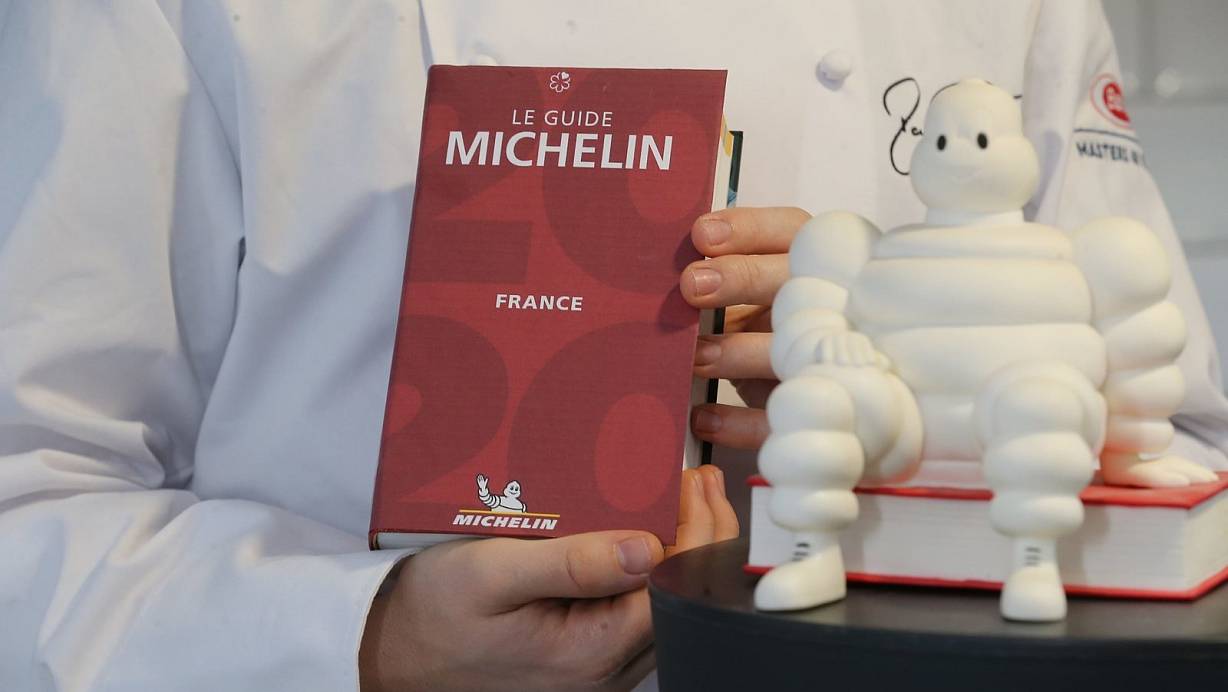

The prestigious Guide Michelin, which has served as the gold standard for gastronomic excellence for over a century, has announced it will discontinue its Green Star designation, according to Nius. The award, introduced in 2020 to recognize restaurants meeting sustainability criteria, will be completely phased out by the end of 2026.
Restaurants that received the Green Star will no longer be permitted to use the designation in their marketing materials. The decision marks a significant retreat from the guide’s recent embrace of environmental and ethical scoring systems alongside its traditional culinary ratings.
What the Green Star represented
The Green Star was awarded to establishments demonstrating high environmental and ethical standards. Criteria included sourcing and transportation of ingredients, animal welfare practices, regional processing methods, and minimizing ecological footprint. Numerous restaurants in Germany and internationally received the designation, often in combination with Michelin’s traditional red stars for culinary excellence.
The award was part of a broader trend within the hospitality industry to incorporate sustainability metrics into quality assessments, reflecting what many saw as growing consumer interest in environmental responsibility.
Why the experiment failed
Michelin has officially stated that the Green Star was too narrowly focused on the culinary side of operations. However, as Nius reports, the reality behind the cancellation appears more complex. International variations in environmental standards and differing agricultural realities across countries made consistent evaluation problematic. The difficulty of creating a unified assessment system ultimately rendered the concept unworkable.
Critics view the decision as a tacit admission that the ideologically charged sustainability agenda proved problematic in practice. Many top chefs reportedly felt pressured or instrumentalized by the green designation. Questions also arose about some Green Star recipients regarding fundamental culinary standards such as taste, craftsmanship, and consistency.
From Green Stars to mindful voices
Despite abandoning the Green Star after just a few years, Michelin is already attempting a similar approach with a new editorial format called “Mindful Voices,” positioning culinary mindfulness as the successor to sustainable green ratings.
The century-old guide began as a workshop directory for motorists in 1900, evolving to include travel and accommodation recommendations before becoming synonymous with its red stars for outstanding restaurants. While the guide has historically adapted to societal changes, its recent years have seen increasing openness to ideological trends that have now proven difficult to sustain in practice.
The quiet demise of the Green Star joins a growing list of corporate sustainability initiatives that have been scaled back or abandoned as practical implementation challenges mount and consumer priorities shift. For the culinary world, the message appears clear: excellence in cooking remains the primary criterion for recognition, with political and environmental correctness taking a back seat to what actually appears on the plate.
With information from Nius





