Merz Calls for Peace Negotiations with Russia at Gdansk Conference
German Chancellor Friedrich Merz called for immediate peace negotiations with Russia at a Ukraine reconstruction conference where the EU pledged 90 billion euros in aid over two years.
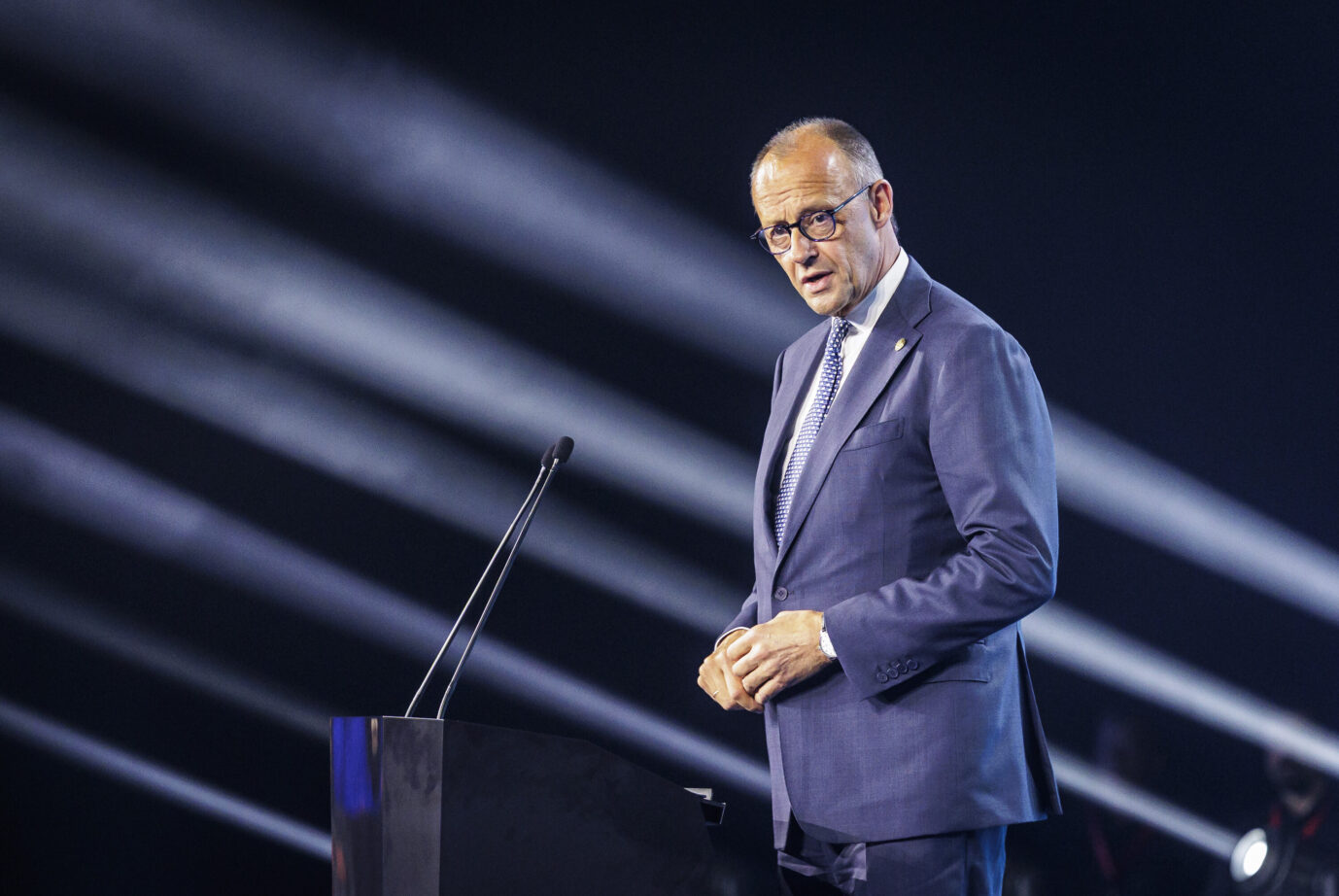

According to Junge Freiheit, Friedrich Merz of the Christian Democratic Union told delegates that the time has come to pursue negotiations, stabilize the front lines, and stop the killing. The Chancellor emphasized the urgency of preparing Ukraine for the coming winter before Russia can launch renewed attacks on the country’s energy infrastructure.
Speaking at the Ukraine reconstruction conference, Merz framed European solidarity with Ukraine as essential not only for defending security and prosperity but for preserving peace across the continent. He stated that ensuring Ukraine’s security would strengthen Europe’s security as a whole.
Billions More in EU Funding Announced
The German leader expressed confidence that Ukraine would emerge as a strong, sovereign nation and future member of the European Union. He said Europe’s financial commitment demonstrates belief in Ukraine’s place within the European family.
Ursula von der Leyen, President of the European Commission, announced that the EU will provide an additional 90 billion euros to Ukraine over the next two years. The first installment of 3.2 billion euros in macro-financial assistance was disbursed on Thursday. Von der Leyen told the audience of government representatives, international organizations, and financial institutions from approximately 100 countries that investing in Ukraine means investing in Europe.
European Unity Signals Discomfort for Moscow
Merz noted that European support has proven uncomfortable for Russia, pointing to recent diplomatic gatherings including the G7 summit in Évian, France and the E5 meeting in Berlin as demonstrations of European and transatlantic unity behind Ukraine.
The Chancellor told conference attendees that reconstruction means more than simply repairing what has been destroyed. It represents an investment in the Ukrainian citizens who will shape their country’s future.
Historical Context Underscores German-Polish Relations
Merz highlighted the historical significance of the conference date and location, noting that World War II began nearby more than 87 years ago. He also marked the 35th anniversary of the German-Polish treaty on good neighborly relations, describing it as proof that peace, friendship, and cooperation remain possible even after the atrocities committed by Germans against Poland and Polish citizens between 1939 and 1945.
The anniversary serves as a symbol of German-Polish relations and demonstrates that reconciliation can follow even the most serious historical crimes, the Chancellor stated.
With information from Junge Freiheit