Necessary Cookies

Required for the site to function. Cannot be disabled.

Analytics Cookies

Help us understand how visitors interact with our site (Google Analytics via GTM).

Marketing Cookies

Used to track visitors and deliver personalised advertisements.

We use cookies to enhance your browsing experience and analyse site traffic. By clicking Accept All, you consent to our use of cookies. Privacy Policy
NewsFire Global
Home News Europe World Christianity Culture Wars Opinion Video
Information
About Us Authors Advertising Terms & Conditions Privacy Policy Contact
R2B Media
R2B NEWSFIRE.GR PAPAFOTIS.GR THRACTION HELLENIC CONSERVATIVES RIGHT2THEBONE YT
News Europe

Meloni: Social Media Bans Not Answer to Protecting Kids

Italian Prime Minister Giorgia Meloni warned that social media bans for minors are insufficient to protect children online, advocating instead for platform accountability.
Stefanos Banos
Stefanos Banos Staff Writer
JUNE 19, 2026 AT 3:25 AM

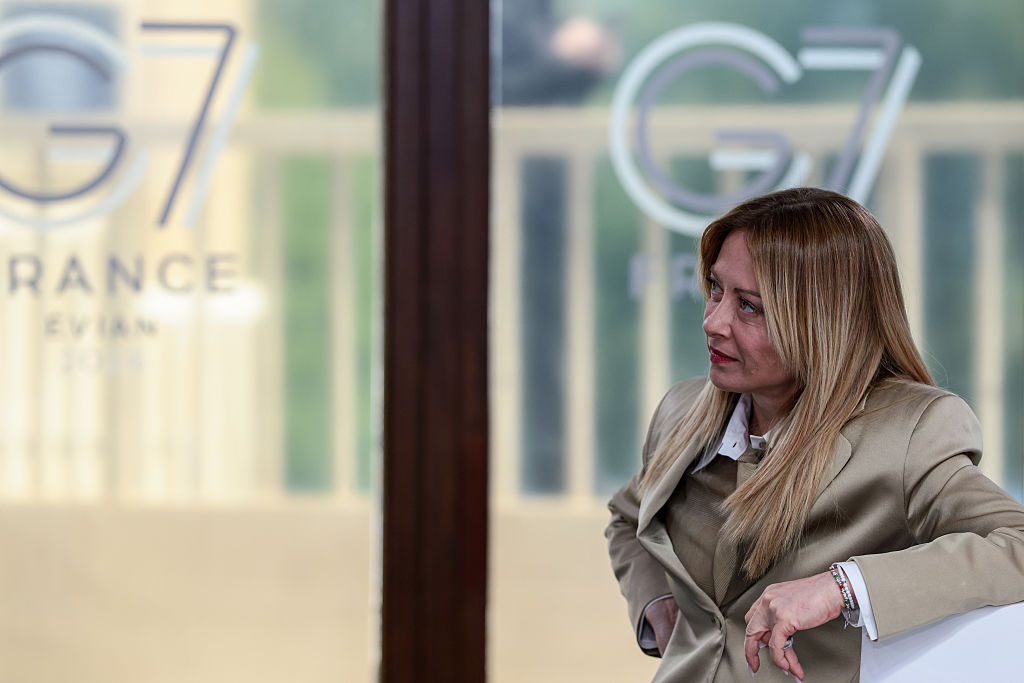
Giorgia Meloni made her remarks at a press conference on June 17 during the final day of the G7 summit in Évian-les-Bains, eastern France, according to Brussels Signal. While the Italian leader did not rule out restricting social media access for those under 16, she emphasized that such measures would fall short without additional safeguards.

The Prime Minister argued that a blanket prohibition could be easily bypassed and warned it would unfairly place the enforcement burden on families. She insisted that social media platforms must be held accountable and made integral to any solution, given their responsibility for content and user safety on their services.

Meloni explained that her government deliberately opted against introducing cabinet-level legislation on the issue, choosing instead to respect ongoing cross-party parliamentary work already addressing the matter.

Britain moves ahead with under-16 ban

Her statement came just two days after British Prime Minister Keir Starmer announced that the United Kingdom would prohibit under-16s from accessing major platforms including TikTok, YouTube, Snapchat and Instagram. Starmer justified the ban by asserting that social media was contributing to children’s unhappiness and declared he would not compromise on their safety.

The British move reflects a growing trend across Europe, where France, Spain and Germany are either preparing or considering similar restrictions. Australia implemented a ban on under-16s in December 2025, though regulators there have reported widespread platform non-compliance and launched legal proceedings against several companies.

Italian bill stalled in Senate

In Italy, legislation that would bar social media access for those under 15 has been stuck in a Senate committee since October 2025. Italian Education Minister Giuseppe Valditara has publicly called for rapid approval of the bill, stating that further delays are unacceptable.

The protection of minors online has emerged as a central issue on the European policy agenda, with online child safety featured prominently at the French-hosted G7 summit. On June 17, G7 leaders issued a joint statement calling for a safer digital environment for children, underscoring mounting political pressure on governments to take action.

Meloni favors parliamentary process over decree

Meloni, who leads a right-wing coalition government in Rome, maintained that allowing the parliamentary process to proceed is preferable to issuing a government decree. She stressed that genuine enforcement of any restrictions would require direct involvement and cooperation from the platforms themselves.

With information from Brussels Signal

Share:
Stefanos Banos
Stefanos Banos

Stefanos Banos was born in Piraeus and is an editor at NewsFire.GR, specializing in political analysis and international relations. He graduated from the Department of Communication and Media at the University of Bremen in Germany, where he also completed his Master of Arts in Communication and Media Studies. Married to Zoi, he is a proud father of three boys.

Giorgia Meloni made her remarks at a press conference on June 17 during the final day of the G7 summit in Évian-les-Bains, eastern France, according to Brussels Signal. While the Italian leader did not rule out restricting social media access for those under 16, she emphasized that such measures would fall short without additional safeguards.

The Prime Minister argued that a blanket prohibition could be easily bypassed and warned it would unfairly place the enforcement burden on families. She insisted that social media platforms must be held accountable and made integral to any solution, given their responsibility for content and user safety on their services.

Meloni explained that her government deliberately opted against introducing cabinet-level legislation on the issue, choosing instead to respect ongoing cross-party parliamentary work already addressing the matter.

Britain moves ahead with under-16 ban

Her statement came just two days after British Prime Minister Keir Starmer announced that the United Kingdom would prohibit under-16s from accessing major platforms including TikTok, YouTube, Snapchat and Instagram. Starmer justified the ban by asserting that social media was contributing to children’s unhappiness and declared he would not compromise on their safety.

The British move reflects a growing trend across Europe, where France, Spain and Germany are either preparing or considering similar restrictions. Australia implemented a ban on under-16s in December 2025, though regulators there have reported widespread platform non-compliance and launched legal proceedings against several companies.

Italian bill stalled in Senate

In Italy, legislation that would bar social media access for those under 15 has been stuck in a Senate committee since October 2025. Italian Education Minister Giuseppe Valditara has publicly called for rapid approval of the bill, stating that further delays are unacceptable.

The protection of minors online has emerged as a central issue on the European policy agenda, with online child safety featured prominently at the French-hosted G7 summit. On June 17, G7 leaders issued a joint statement calling for a safer digital environment for children, underscoring mounting political pressure on governments to take action.

Meloni favors parliamentary process over decree

Meloni, who leads a right-wing coalition government in Rome, maintained that allowing the parliamentary process to proceed is preferable to issuing a government decree. She stressed that genuine enforcement of any restrictions would require direct involvement and cooperation from the platforms themselves.

With information from Brussels Signal

