Mediterranean Sea: Triggerfish attacks join pufferfish woes
Italian authorities are investigating whether triggerfish are responsible for serious bite injuries to tourists swimming at Mediterranean beaches, with two attacks reported within days in the Cilento region.
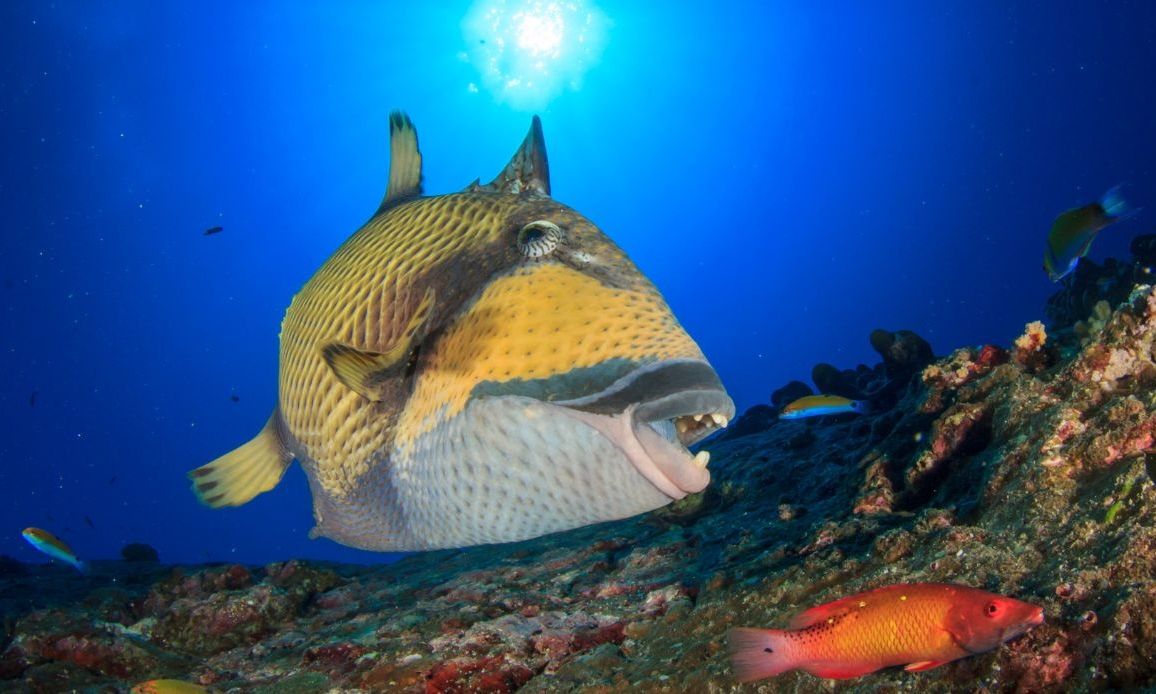

A new concern has emerged for swimmers along Italy’s Mediterranean coastline. Following known incidents with pufferfish, tourists are now being injured by fish bites, prompting authorities to investigate whether the triggerfish is to blame.
A 76-year-old tourist was bitten on the leg while in the water at Saline di Palinuro beach in the Salerno area.
The wound was deep and caused heavy bleeding. The man managed to get to shore, where lifeguards stopped the bleeding and stabilized him until rescuers arrived. His condition is not causing concern, but the incident sparked alarm among other beachgoers.
This marks the second similar incident within a few days in the broader Cilento region. Shortly before, at Pioppi, another tourist had been injured in a similar manner while swimming.
Experts have not yet confirmed the species of fish responsible for the bites. However, they are seriously examining the possibility that it is a triggerfish, also known as a balistes. This fish reacts aggressively when disturbed or feels threatened, and has very strong teeth capable of inflicting deep wounds.
What is a triggerfish
The triggerfish or balistes (Balistes capriscus) lives in reefs and rocky areas. Its name comes from the sound it makes, which resembles a pig’s grunt when taken out of the water. It has tough skin, white flesh, and is edible. It can reach 6-7 kilos and a length of about one meter. It is found in warm seas, including the Mediterranean.
As reported by Newsbomb, experts characterize such incidents as rare. However, they advise swimmers to avoid touching or disturbing marine creatures.
In the event of an injury in the water, one should immediately get to shore and seek medical help to prevent infections.
Authorities in Italy are monitoring the situation, while lifeguards have increased vigilance at the affected beaches. Tourists are urged to remain cautious, especially in areas with rocky seabeds where such fish typically hide.