Necessary Cookies

Required for the site to function. Cannot be disabled.

Analytics Cookies

Help us understand how visitors interact with our site (Google Analytics via GTM).

Marketing Cookies

Used to track visitors and deliver personalised advertisements.

We use cookies to enhance your browsing experience and analyse site traffic. By clicking Accept All, you consent to our use of cookies. Privacy Policy
NewsFire Global
Home News Europe World Christianity Culture Wars Opinion Video
Information
About Us Authors Advertising Terms & Conditions Privacy Policy Contact
R2B Media
R2B NEWSFIRE.GR PAPAFOTIS.GR THRACTION HELLENIC CONSERVATIVES RIGHT2THEBONE YT
News World

Marco Rubio announces 2028 election bid in Vance’s shadow

Marco Rubio positioned himself for 2028 by championing strong U.S. counterterrorism leadership at a ministerial meeting, contrasting with JD Vance's neo-isolationist approach.

Dimitris Papafotis
Dimitris Papafotis Editor in Chief
JULY 20, 2026 AT 11:30 PM

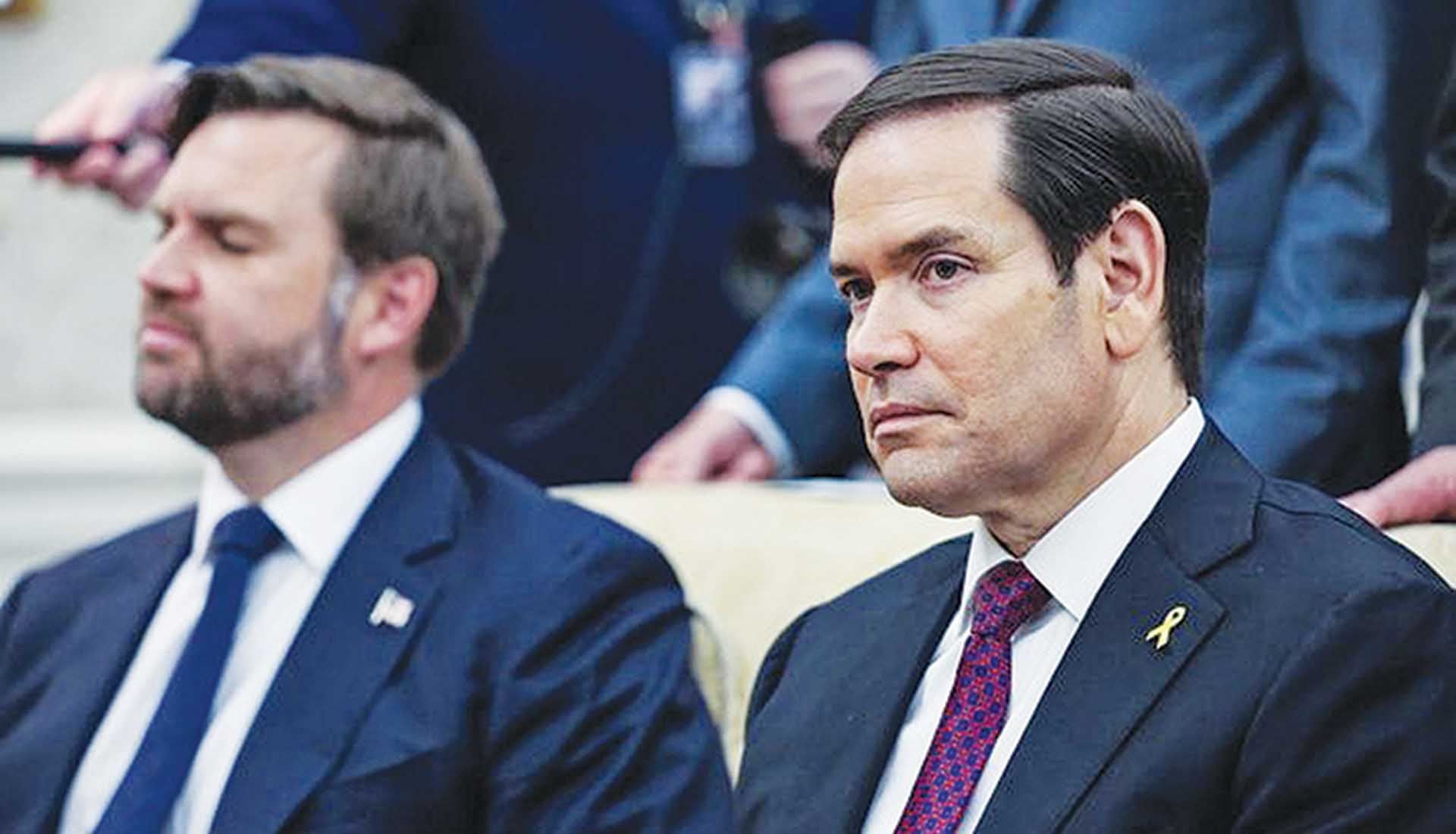
Marco Rubio’s appearance at the Ministerial Meeting on the Re-emergence of Political Terrorism represents a clear leadership move ahead of the 2028 election. Meanwhile, JD Vance’s presence on the public stage is creating significant intra-party dynamics within the Republican camp.

Two different approaches to institutional security

According to the newspaper Dimokratia, Rubio champions the institutional memory of the West and the need for the United States to remain the cornerstone of Western security architecture.

Vance, by contrast, embodies a different worldview, focused on neo-isolationism and soft anti-establishment sentiment. Both, however, recognize the serious possibility that Trump could suffer defeat in the November midterm elections.

Rubio’s counterterrorism narrative

Rubio’s central argument revolves around the necessity of a strong American presence against international terrorism. As Dimokratia reports, Rubio emphasizes that targeted American intervention that eliminated ISIS, al-Baghdadi, al-Zawahiri, and Bin Laden, combined with sophisticated intelligence systems throughout the West, prevented uncontrolled loss of life and collective trauma.

In this context, Rubio makes clear that an isolated American state would impose serious consequences on Western security. At the same time, he links religiously motivated terrorism to the failure to address the issue of illegal immigration.

Far-left terrorism as a common thread

Rubio also addresses the issue of far-left terrorism, raising significant examples from many countries. As Dimokratia notes, he mentioned the incident in Greece, highlighting the assassination of an American CIA official by November 17. He also pointed out that more than 80% of radical violence now comes from far-left and anarchist actors.

Rubio examined the spread of this ideological terrorism in other countries as well, such as Germany, Italy, France, Peru, and Cuba, while also referring to the assassination of Charlie Kirk by a perpetrator with ties to the far-left scene.

Strategy “against” MAGA

Rubio’s move contains a tactical dimension. He highlights the interconnection of left-wing terrorism across the entire Western network and its relationships with countries like Iran. In this way, he attempts to build consensus among undecided and moderate voters, emphasizing that domestic security is inextricably linked to the international presence of the U.S.

At the same time, he invokes the issue of the “communization” of the Democratic Party, an element that aligns with Republican anti-communist rhetoric. With these moves, Rubio preempts potential maneuvers by the neo-isolationists of the Vance wing and makes public support for coalitions with the Left more difficult.

Preparing for 2028

As Dimokratia reports, Rubio combines MAGA rhetoric (to the extent that it serves him and not at its core like Vice President Vance) with content relating to international coalitions and institutional structures. This strategy allows him to attract Trump’s base while simultaneously maintaining the institutional support and international acceptance that Vance does not possess with the same force.

Source: Dimokratia

Share:
Dimitris Papafotis
Dimitris Papafotis

Dimitris Papafotis is the editor-in-chief of NewsFire.GR. He was born and raised in Athens. He studied at the Journalism Workshop (1991-1993). He currently lives in Pyrgos, Ilia, where he has been active in radio and various newspapers, while also maintaining his personal blog, Papafotis.gr.

Marco Rubio’s appearance at the Ministerial Meeting on the Re-emergence of Political Terrorism represents a clear leadership move ahead of the 2028 election. Meanwhile, JD Vance’s presence on the public stage is creating significant intra-party dynamics within the Republican camp.

Two different approaches to institutional security

According to the newspaper Dimokratia, Rubio champions the institutional memory of the West and the need for the United States to remain the cornerstone of Western security architecture.

Vance, by contrast, embodies a different worldview, focused on neo-isolationism and soft anti-establishment sentiment. Both, however, recognize the serious possibility that Trump could suffer defeat in the November midterm elections.

Rubio’s counterterrorism narrative

Rubio’s central argument revolves around the necessity of a strong American presence against international terrorism. As Dimokratia reports, Rubio emphasizes that targeted American intervention that eliminated ISIS, al-Baghdadi, al-Zawahiri, and Bin Laden, combined with sophisticated intelligence systems throughout the West, prevented uncontrolled loss of life and collective trauma.

In this context, Rubio makes clear that an isolated American state would impose serious consequences on Western security. At the same time, he links religiously motivated terrorism to the failure to address the issue of illegal immigration.

Far-left terrorism as a common thread

Rubio also addresses the issue of far-left terrorism, raising significant examples from many countries. As Dimokratia notes, he mentioned the incident in Greece, highlighting the assassination of an American CIA official by November 17. He also pointed out that more than 80% of radical violence now comes from far-left and anarchist actors.

Rubio examined the spread of this ideological terrorism in other countries as well, such as Germany, Italy, France, Peru, and Cuba, while also referring to the assassination of Charlie Kirk by a perpetrator with ties to the far-left scene.

Strategy “against” MAGA

Rubio’s move contains a tactical dimension. He highlights the interconnection of left-wing terrorism across the entire Western network and its relationships with countries like Iran. In this way, he attempts to build consensus among undecided and moderate voters, emphasizing that domestic security is inextricably linked to the international presence of the U.S.

At the same time, he invokes the issue of the “communization” of the Democratic Party, an element that aligns with Republican anti-communist rhetoric. With these moves, Rubio preempts potential maneuvers by the neo-isolationists of the Vance wing and makes public support for coalitions with the Left more difficult.

Preparing for 2028

As Dimokratia reports, Rubio combines MAGA rhetoric (to the extent that it serves him and not at its core like Vice President Vance) with content relating to international coalitions and institutional structures. This strategy allows him to attract Trump’s base while simultaneously maintaining the institutional support and international acceptance that Vance does not possess with the same force.

Source: Dimokratia

