Necessary Cookies

Required for the site to function. Cannot be disabled.

Analytics Cookies

Help us understand how visitors interact with our site (Google Analytics via GTM).

Marketing Cookies

Used to track visitors and deliver personalised advertisements.

We use cookies to enhance your browsing experience and analyse site traffic. By clicking Accept All, you consent to our use of cookies. Privacy Policy
NewsFire Global
Home News Europe World Christianity Culture Wars Opinion Video
Information
About Us Authors Advertising Terms & Conditions Privacy Policy Contact
R2B Media
R2B NEWSFIRE.GR PAPAFOTIS.GR THRACTION HELLENIC CONSERVATIVES RIGHT2THEBONE YT
News World

Majority of millennial and Gen Z parents still spank their kids

About 20 percent of Gen Z and millennial parents still spank their children despite medical consensus against the practice, with rates declining from 45 percent among Gen X parents.
Stefanos Banos
Stefanos Banos Staff Writer
MAY 28, 2026 AT 10:02 PM

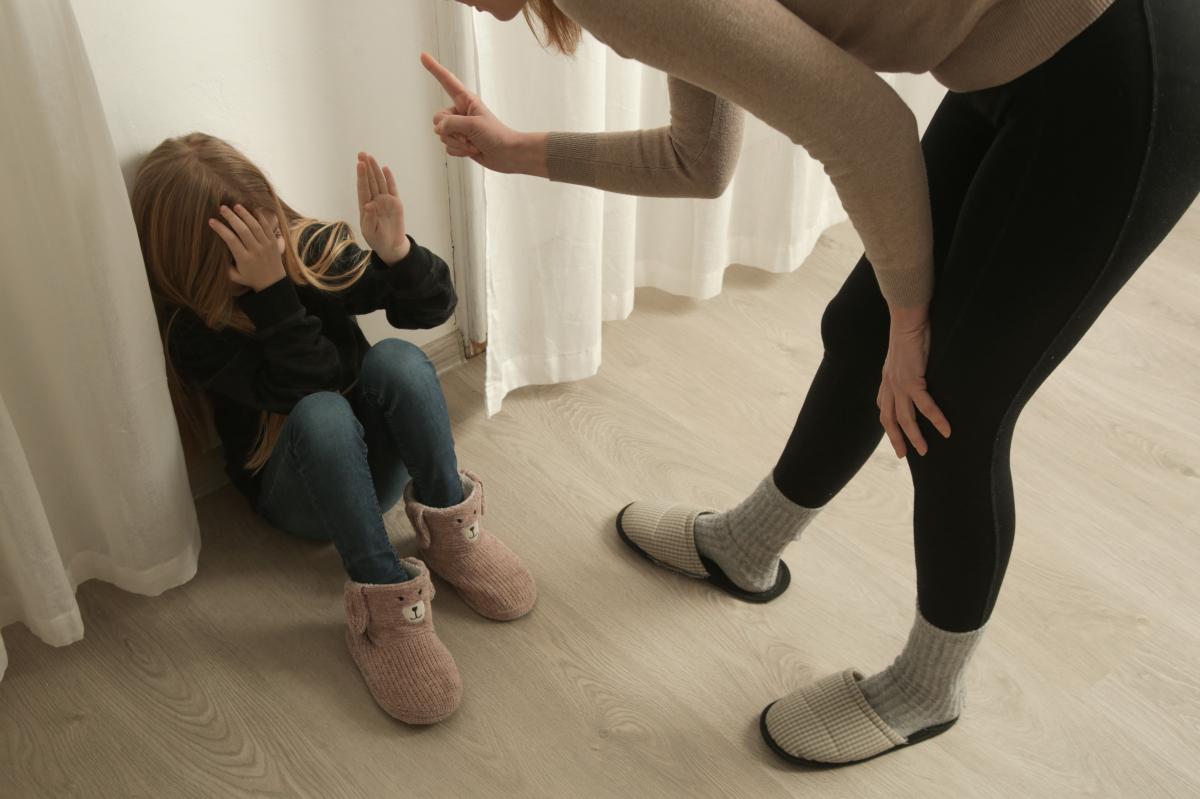
A study published last month in the Canadian Journal of Public Health found that approximately 20 percent of Gen Z and millennial parents admitted to spanking their children with their hand, as New York Post reports. The figure rises to 45 percent among Gen X parents, indicating a generational shift away from corporal punishment.

The research surveyed roughly 4,000 adults and revealed that 15 percent still consider spanking necessary for proper child-rearing, even as medical authorities have categorically rejected the practice.

Medical Consensus Rejects Physical Discipline

Dr. Isha Mannering, a pediatrician and parenting expert, told New York Post that she generally does not recommend physical discipline. She explained that while spanking may produce immediate compliance, it achieves results through fear rather than teaching essential skills like self-regulation or sound judgment.

The medical establishment has unified against spanking based on extensive research demonstrating long-term harm. The American Academy of Pediatrics initially discouraged the practice in 1998 but adopted an outright prohibition in its updated 2018 policy statement.

The World Health Organization defines corporal punishment as any use of physical force intended to cause pain or discomfort, regardless of severity, and has taken a firm stance against it.

Research Links Spanking to Behavioral Problems

Scientific evidence continues to mount against physical punishment. A 2021 study found that children spanked at age three demonstrated higher rates of externalizing behaviors by age five, including destroying property and physical aggression toward others, compared to children who were not physically disciplined.

Further research from 2017 established a connection between childhood spanking and increased likelihood of domestic violence in romantic relationships later in life.

According to Mannering, physical discipline can normalize violence as an appropriate response to frustration or conflict for developing children. She emphasized that physical punishment is no more effective than non-physical discipline while carrying substantially greater risk of harm.

Legal Status and International Trends

At least 69 countries have enacted complete legal bans on corporal punishment of children. Sweden became the first nation to abolish the practice in 1979. By contrast, spanking remains legal in all 50 American states as of 2024.

The study identified a clear intergenerational pattern, with parents who were spanked as children showing significantly higher likelihood of using the same method with their own offspring. Among survey respondents, 55.6 percent reported being spanked three or more times during childhood, while 40.2 percent recalled being spanked between zero and two times.

Breaking the Cycle

Despite this cyclical pattern, Mannering expressed optimism that younger parents can override learned responses to use physical discipline during stressful moments. She noted that Gen Z and millennial parents have already demonstrated willingness to break generational cycles and can apply that same approach to discipline.

The pediatrician advised that changing ingrained reactions begins with recognizing the impulse in real time and consciously substituting calm, consistent, and predictable discipline methods for physical reactions.

With information from New York Post

Share:
Stefanos Banos
Stefanos Banos

Stefanos Banos was born in Piraeus and is an editor at NewsFire.GR, specializing in political analysis and international relations. He graduated from the Department of Communication and Media at the University of Bremen in Germany, where he also completed his Master of Arts in Communication and Media Studies. Married to Zoi, he is a proud father of three boys.

A study published last month in the Canadian Journal of Public Health found that approximately 20 percent of Gen Z and millennial parents admitted to spanking their children with their hand, as New York Post reports. The figure rises to 45 percent among Gen X parents, indicating a generational shift away from corporal punishment.

The research surveyed roughly 4,000 adults and revealed that 15 percent still consider spanking necessary for proper child-rearing, even as medical authorities have categorically rejected the practice.

Medical Consensus Rejects Physical Discipline

Dr. Isha Mannering, a pediatrician and parenting expert, told New York Post that she generally does not recommend physical discipline. She explained that while spanking may produce immediate compliance, it achieves results through fear rather than teaching essential skills like self-regulation or sound judgment.

The medical establishment has unified against spanking based on extensive research demonstrating long-term harm. The American Academy of Pediatrics initially discouraged the practice in 1998 but adopted an outright prohibition in its updated 2018 policy statement.

The World Health Organization defines corporal punishment as any use of physical force intended to cause pain or discomfort, regardless of severity, and has taken a firm stance against it.

Research Links Spanking to Behavioral Problems

Scientific evidence continues to mount against physical punishment. A 2021 study found that children spanked at age three demonstrated higher rates of externalizing behaviors by age five, including destroying property and physical aggression toward others, compared to children who were not physically disciplined.

Further research from 2017 established a connection between childhood spanking and increased likelihood of domestic violence in romantic relationships later in life.

According to Mannering, physical discipline can normalize violence as an appropriate response to frustration or conflict for developing children. She emphasized that physical punishment is no more effective than non-physical discipline while carrying substantially greater risk of harm.

Legal Status and International Trends

At least 69 countries have enacted complete legal bans on corporal punishment of children. Sweden became the first nation to abolish the practice in 1979. By contrast, spanking remains legal in all 50 American states as of 2024.

The study identified a clear intergenerational pattern, with parents who were spanked as children showing significantly higher likelihood of using the same method with their own offspring. Among survey respondents, 55.6 percent reported being spanked three or more times during childhood, while 40.2 percent recalled being spanked between zero and two times.

Breaking the Cycle

Despite this cyclical pattern, Mannering expressed optimism that younger parents can override learned responses to use physical discipline during stressful moments. She noted that Gen Z and millennial parents have already demonstrated willingness to break generational cycles and can apply that same approach to discipline.

The pediatrician advised that changing ingrained reactions begins with recognizing the impulse in real time and consciously substituting calm, consistent, and predictable discipline methods for physical reactions.

With information from New York Post

