
Lockheed Martin to Produce Budget-Friendly Patriot Missiles
Lockheed Martin unveiled a new PAC-3 ACE missile interceptor costing less than half the price of current variants, with testing planned within 18 months and production ramping up thereafter.
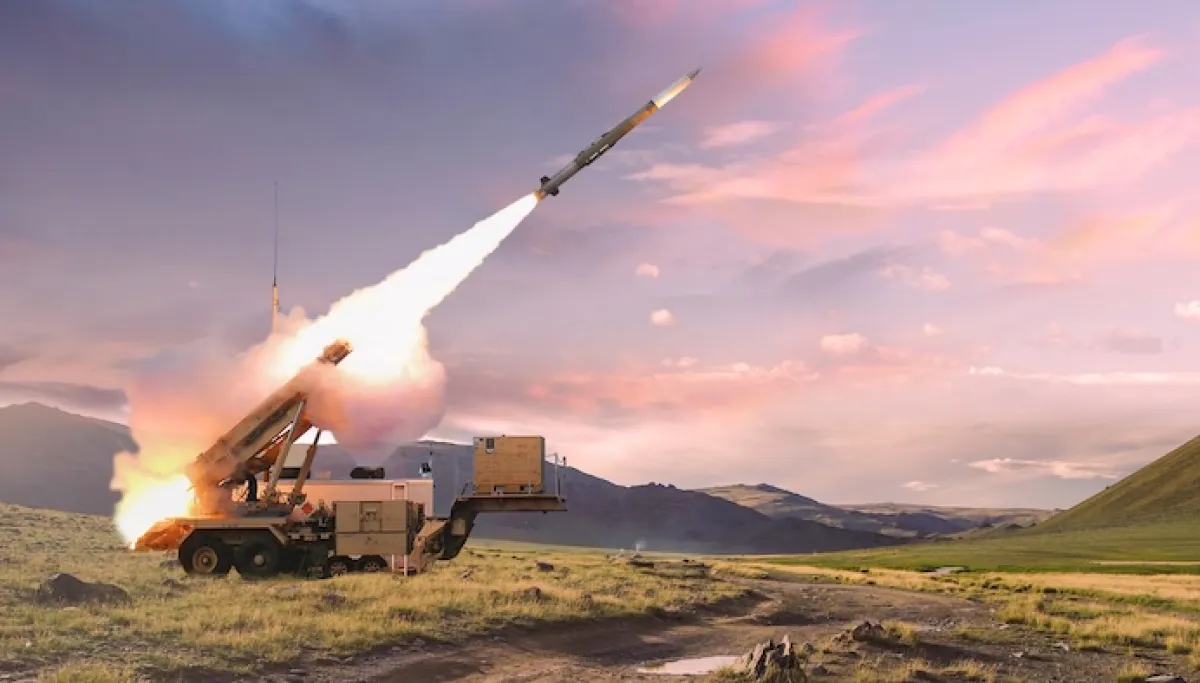

The defense giant announced Monday that its PAC-3 ACE interceptor will deliver significant cost savings compared to the existing PAC-3 MSE system, according to Mike Brest writing in Washington Examiner. While the company did not disclose precise unit pricing, the new missile is designed to slash per-kill expenses while expanding magazine depth for U.S. and European defense networks.
The PAC-3 ACE will be built using the proven PAC-3 fire control architecture and integrated with the Northrop Grumman Integrated Battle Command System, ensuring compatibility with existing infrastructure.
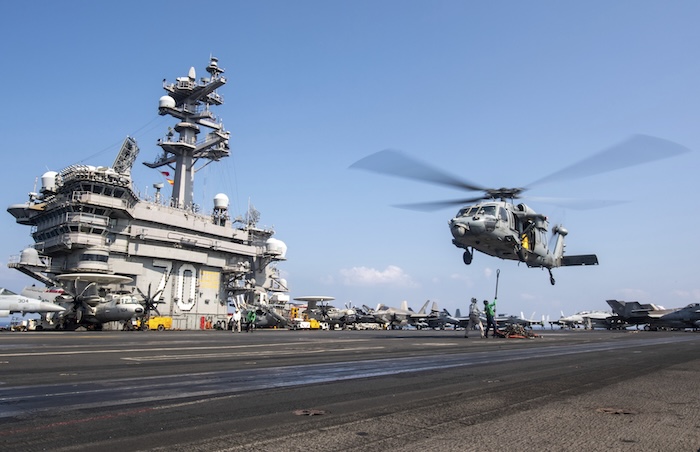
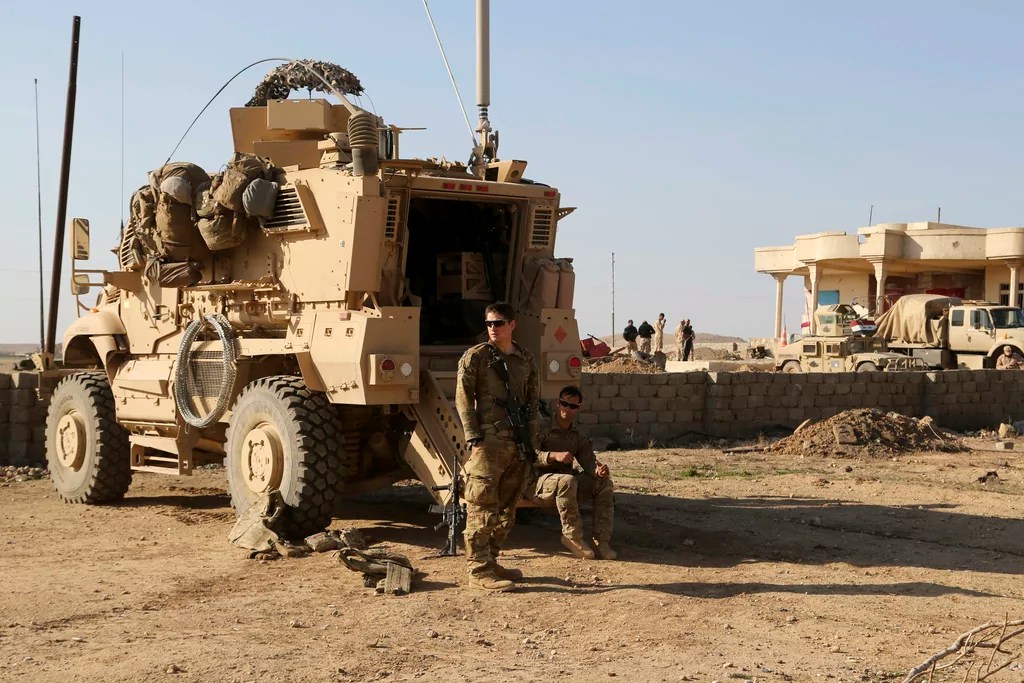
Current PAC-3 MSE missiles carry an estimated price tag of $4 million per unit, underscoring the enormous financial burden of sustained air defense operations. The Patriot system has demonstrated its effectiveness in recent combat theatres, including American operations in the Middle East and Ukrainian deployments against Russian aggression, but the high cost and rapid depletion of interceptors have raised concerns about sustainability.
Tim Cahill, president of Lockheed Martin Missiles and Fire Control, emphasized the new system’s value proposition. American and allied warfighters need a solution that is battle-tested and budget-smart, he stated, noting that the PAC-3 ACE builds on the proven performance of the MSE variant while enhancing alliance resilience against emerging threats.
The company’s chief operating officer, Frank St. John, told CNBC that first flight testing will occur within 18 months, with production ramping up over the following years. He revealed that Lockheed Martin plans to reach production capacity of 2,000 MSE missiles annually by decade’s end, with the PAC-3 ACE designed to handle approximately two-thirds of the threat spectrum addressed by current systems at between one-third and one-half the cost.
Defense Industrial Base Under Pressure
The announcement comes as expanding American and European defense manufacturing capacity has become a central priority for the Pentagon and Trump administration. President Donald Trump addressed roughly 500 defense contractors at the Pennsylvania defense summit in Carlisle last week, making several industrial base announcements following the NATO summit earlier this month.
War Secretary Pete Hegseth has acknowledged that restocking weapons and missiles expended during the ongoing conflict with Iran will require years, though he has pushed back against what he views as exaggerated concerns. He told lawmakers in May that the munitions issue has been foolishly and unhelpfully overstated.
The Center for Strategic and International Studies released an assessment in late May examining the extent of stockpile depletion from the war. The report concluded that while the United States maintains sufficient munitions for any plausible Iran war scenario, the drawn-down inventories have created a vulnerability window for a potential Western Pacific contingency.
With information from Washington Examiner





