
Leftist zealots practice blocking AfD party congress in church
A church in Erfurt, Germany has opened its doors to far-left activists for protest training sessions ahead of planned blockades against an AfD party conference.
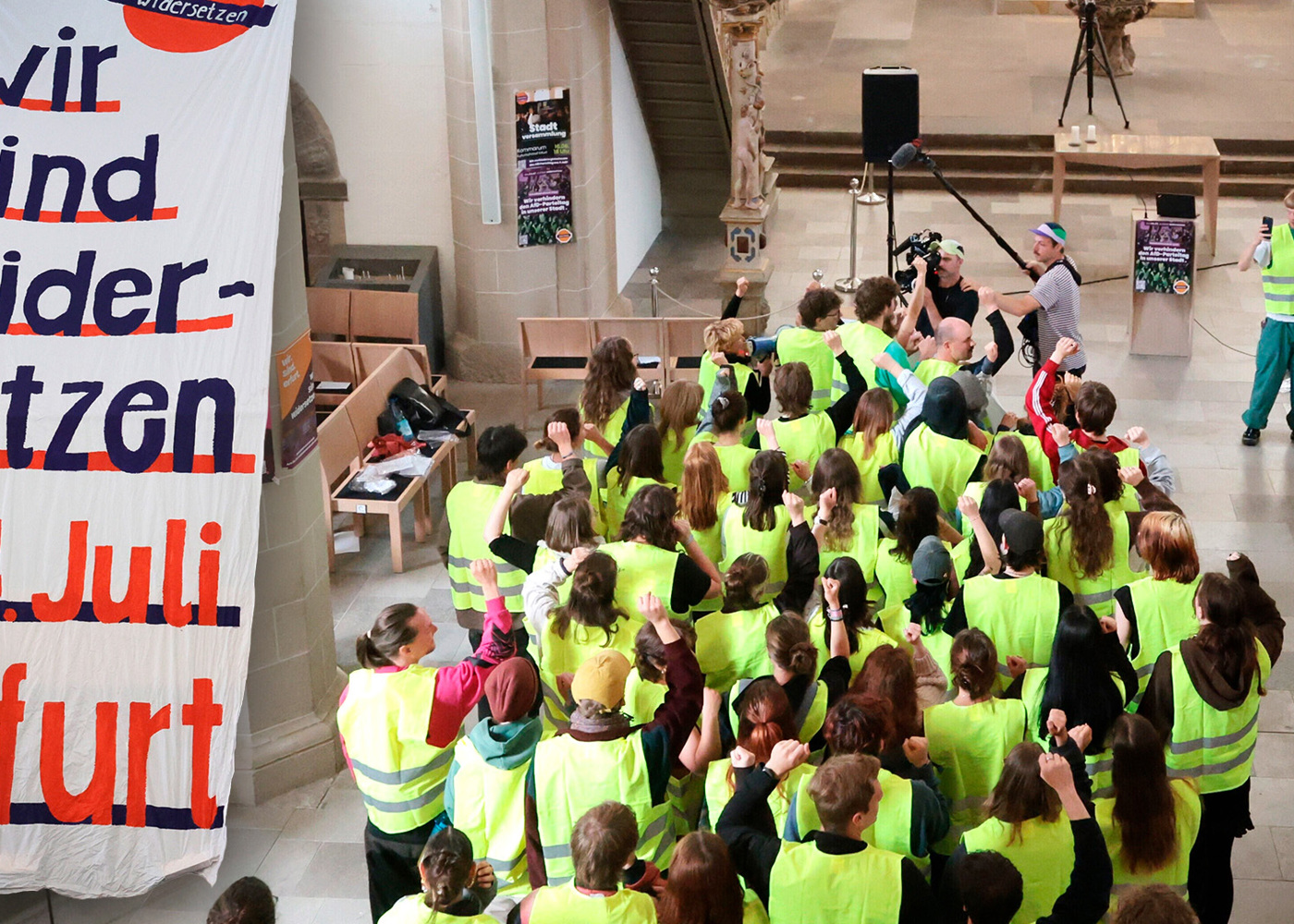

The Kaufmannskirche in the eastern German city is hosting training sessions for members of the “Widersetzen” alliance, according to Nius, with activists in high-visibility vests sitting on the church floor practicing resistance tactics where worshippers would normally pray.
The left-wing coalition is conducting what organizers describe as blockade training and stress situation management exercises ahead of planned demonstrations on July 4. Where church banners would typically hang, large protest signs now stretch across the sanctuary. Instructions are being delivered directly beside the altar, with participants rehearsing sit-in tactics within the consecrated space.
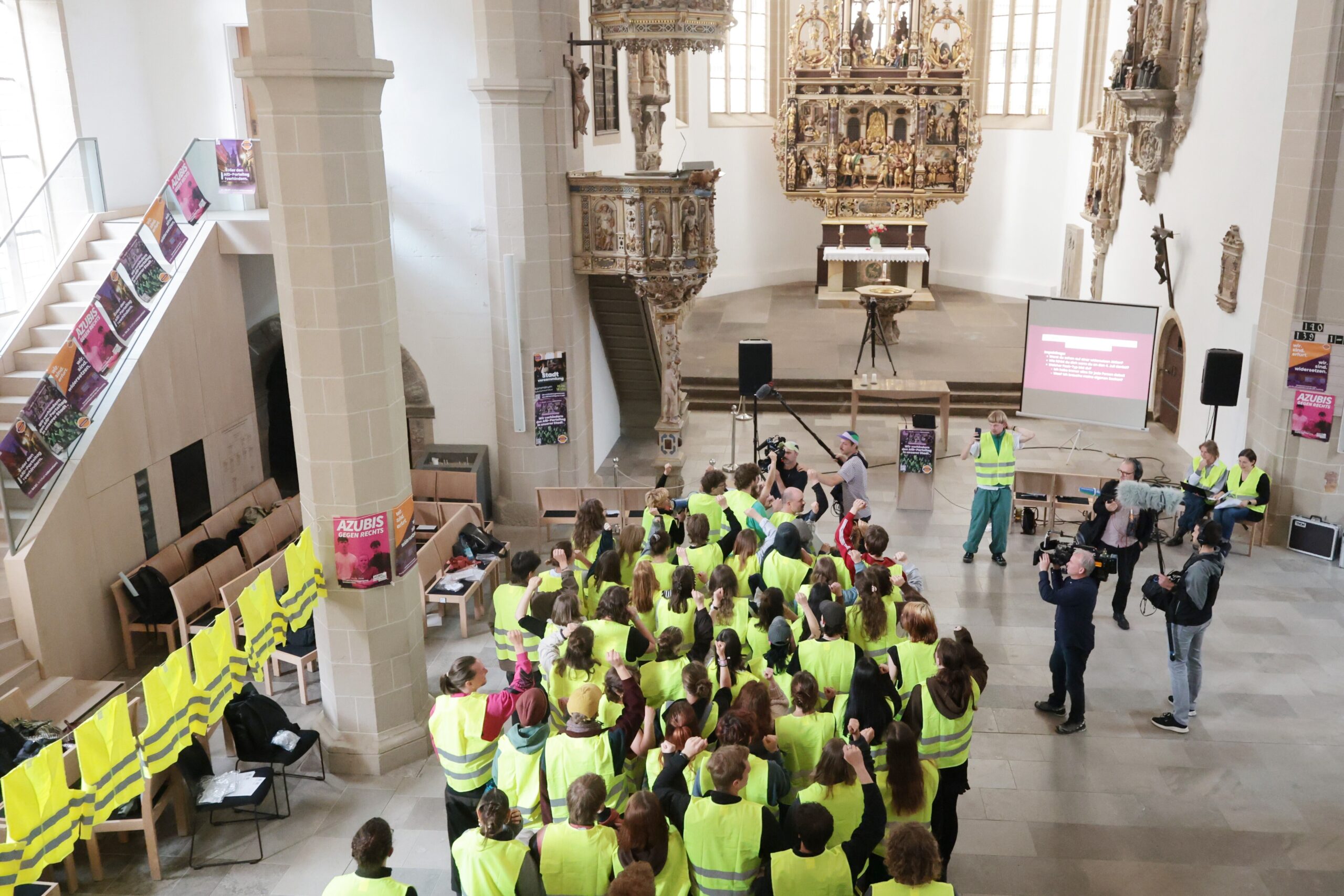
Images from inside the church show raised fists positioned directly in front of the altar, and activists wearing safety vests where clergy vestments would normally be seen. The visual contrast between the religious setting and the political activism on display has sparked criticism about the appropriateness of such activities in a house of worship.
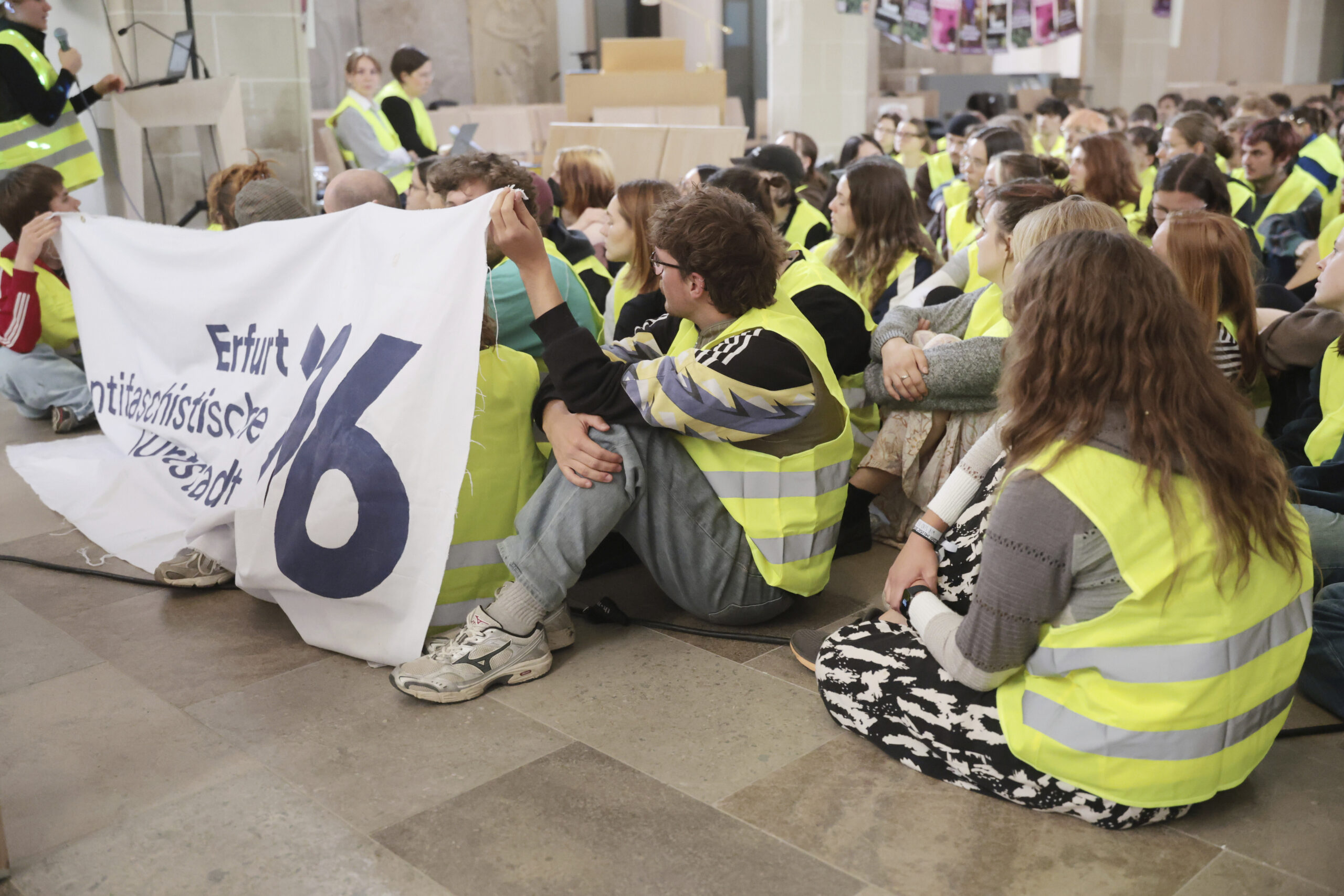
The nationwide “Widersetzen” alliance has been organizing large-scale blockades targeting AfD party conferences since 2024. The group makes no secret of its objectives, promoting direct action aimed at disrupting the democratic political gatherings of a party represented in the German parliament and multiple state legislatures.
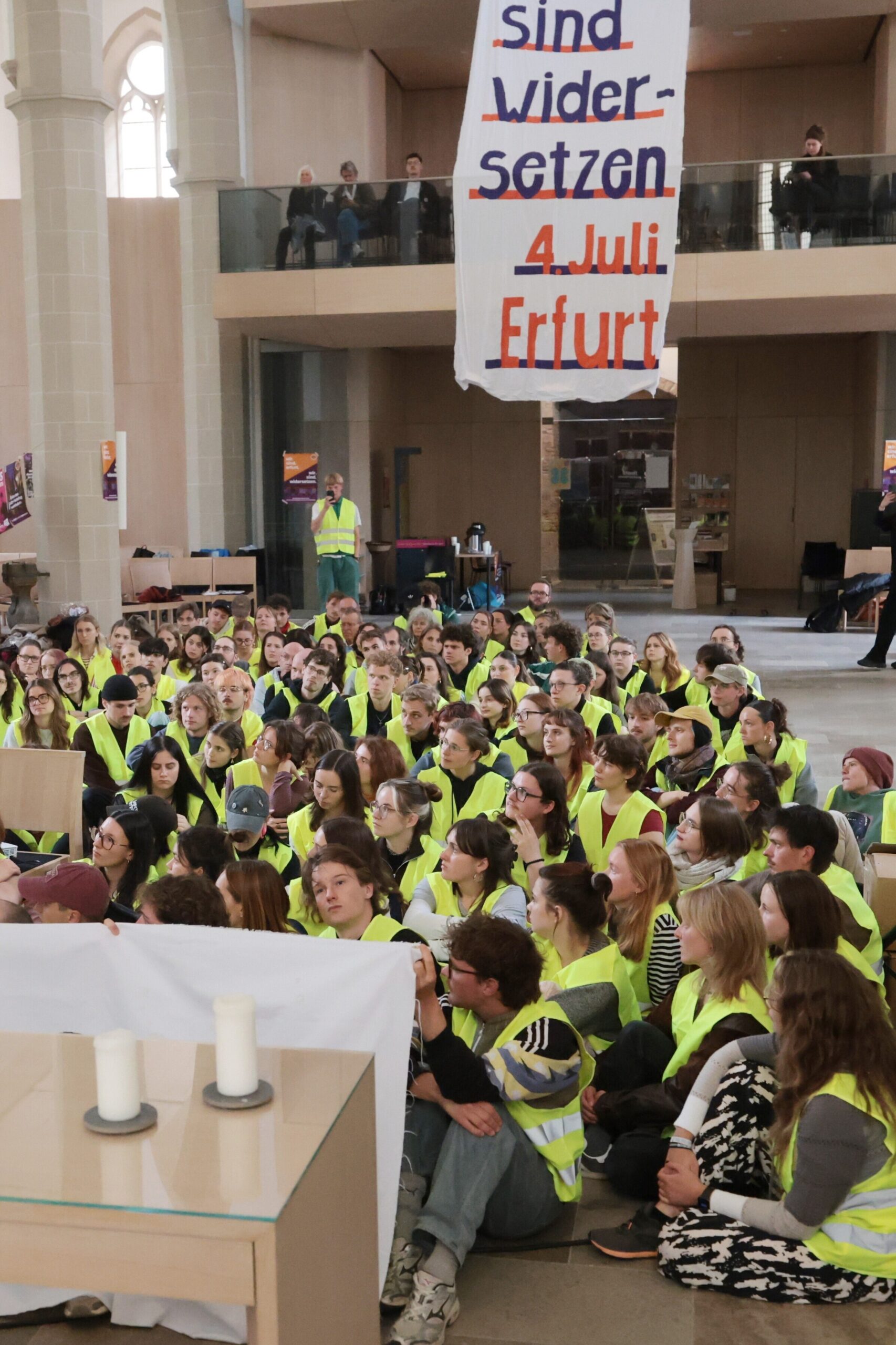
Critics have questioned why blockade tactics require practice sessions at all, and particularly why such training must take place in a church. The use of religious space for overtly partisan political mobilization represents an unusual blurring of boundaries between spiritual and activist purposes.
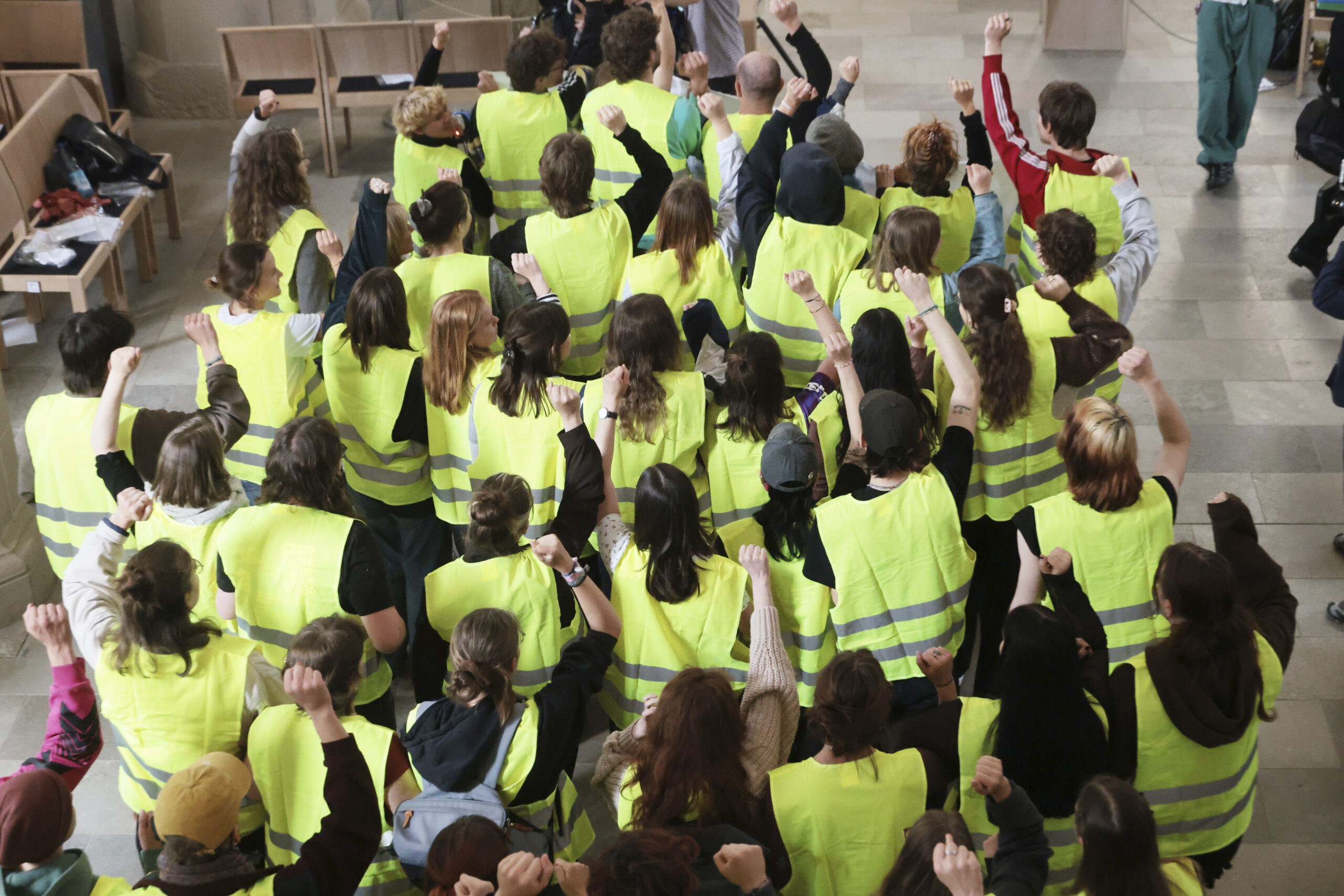
The Kaufmannskirche has effectively transformed into a training center for demonstrations against political opponents, with the sacred architecture serving as backdrop for organizing activities directed at preventing fellow citizens from exercising their constitutional rights to assembly and political participation. The scenes stand in stark contrast to the traditional function of churches as places of prayer, reflection, and community worship that transcend partisan divisions.
The AfD, while controversial, remains a legally constituted political party that has won significant electoral support across Germany, particularly in eastern states like Thuringia where Erfurt is located. Efforts to physically obstruct its conferences through blockades represent a confrontational approach to political disagreement that extends beyond traditional democratic discourse.
Whether the church leadership considered the implications of hosting such politically charged activities, or obtained approval from the broader congregation, remains unclear. The transformation of worship space into activist training ground raises fundamental questions about the role of religious institutions in contemporary political conflicts.
With information from Nius





