Necessary Cookies

Required for the site to function. Cannot be disabled.

Analytics Cookies

Help us understand how visitors interact with our site (Google Analytics via GTM).

Marketing Cookies

Used to track visitors and deliver personalised advertisements.

We use cookies to enhance your browsing experience and analyse site traffic. By clicking Accept All, you consent to our use of cookies. Privacy Policy
NewsFire Global
Home News Europe World Christianity Culture Wars Opinion Video
Information
About Us Authors Advertising Terms & Conditions Privacy Policy Contact
R2B Media
R2B NEWSFIRE.GR PAPAFOTIS.GR THRACTION HELLENIC CONSERVATIVES RIGHT2THEBONE YT
News Europe

Latest figures prove: Even Poles now emigrating from Germany

Germany is experiencing its first net outflow of Polish workers since 2024 as rising living costs and Poland's strengthening economy prompt families to return home.

Dimitris Papafotis
Dimitris Papafotis Editor in Chief
JUNE 19, 2026 AT 2:45 AM

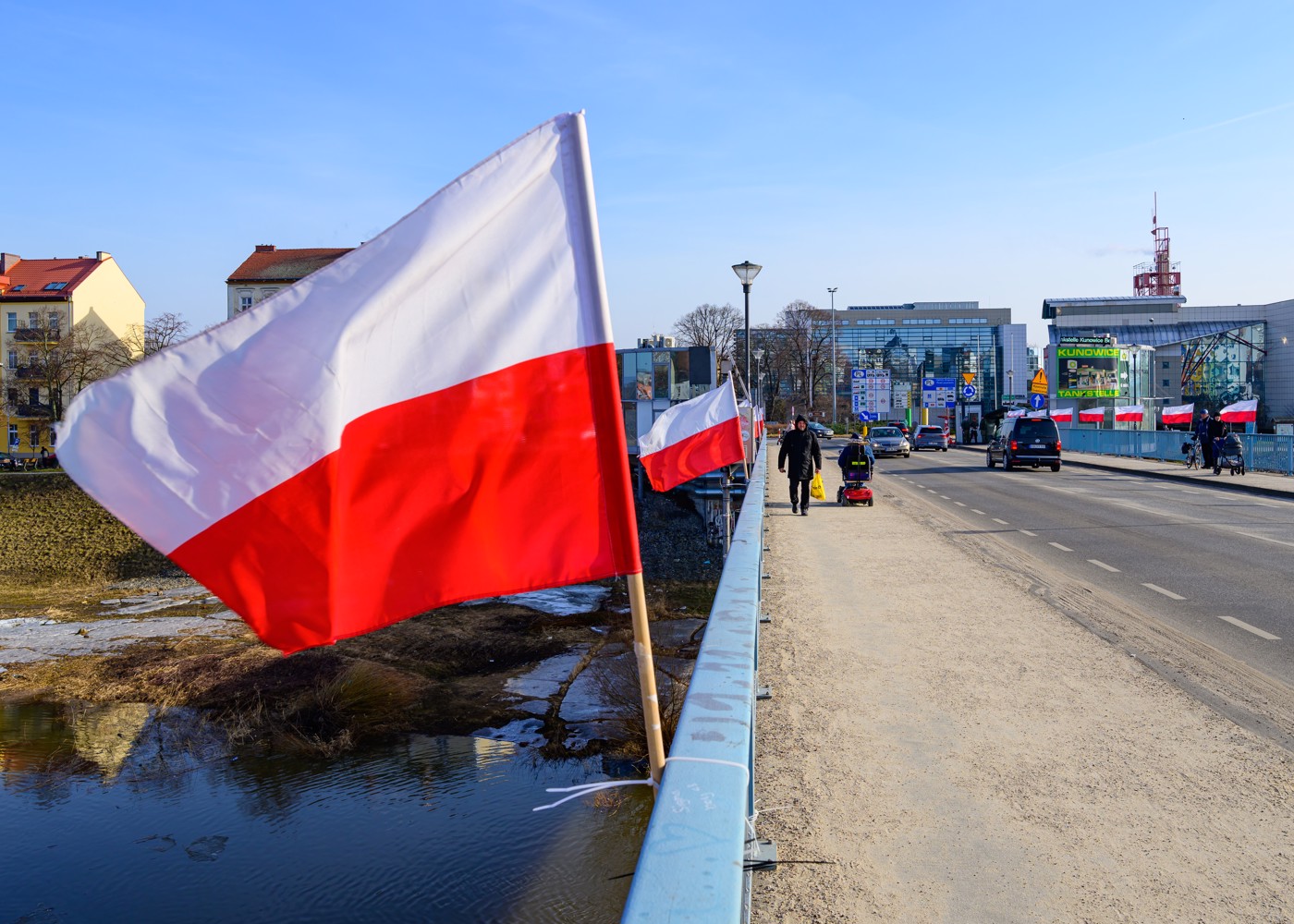
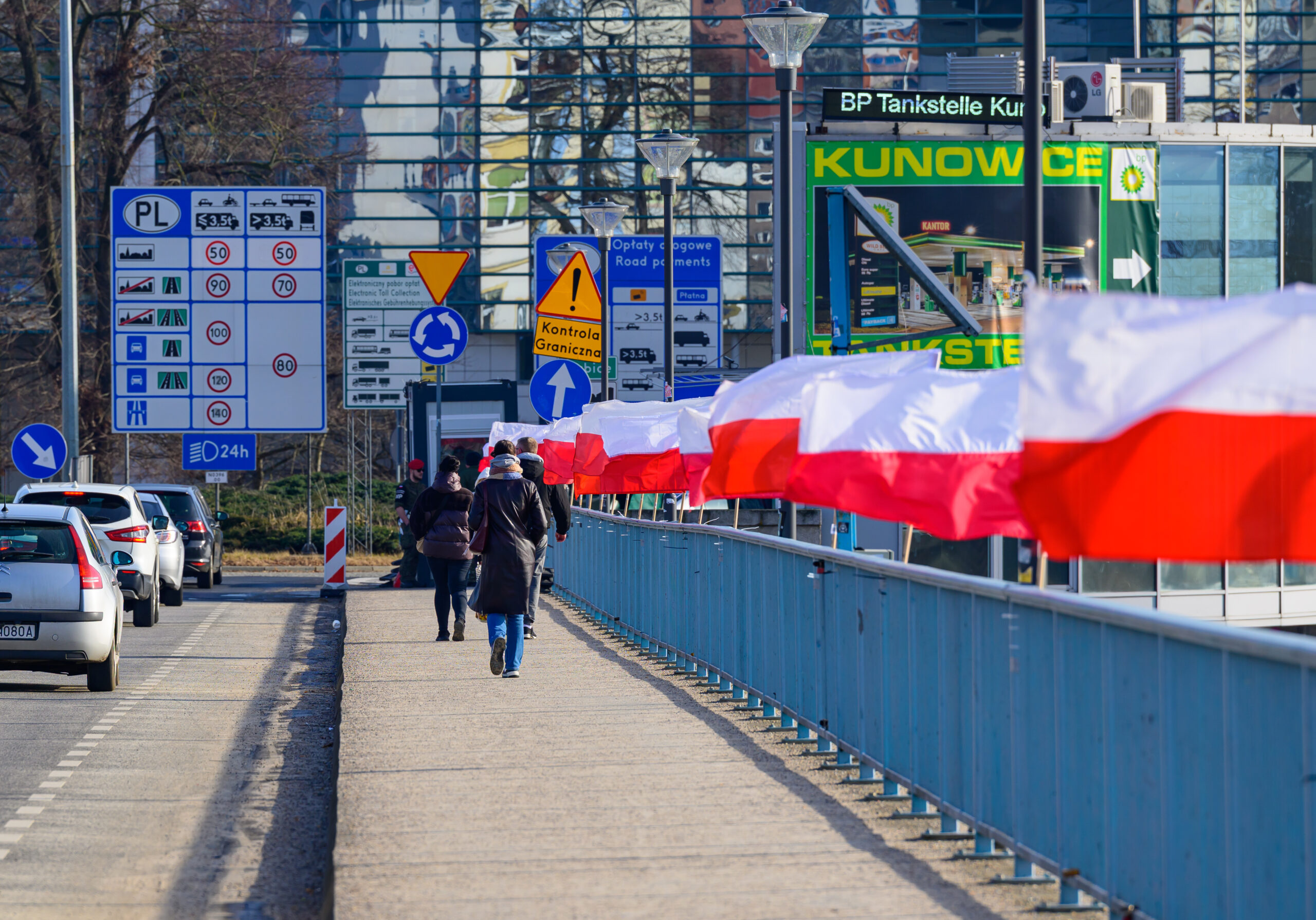
Germany is facing a striking demographic reversal as Polish workers and families begin leaving the country in significant numbers, marking the first time since 2024 that more Poles have returned home than arrived, according to data from Germany’s Federal Statistical Office.

The exodus represents a watershed moment for a community that has long been one of Germany’s most established immigrant groups, as Nius reports. The trend signals deepening concerns about Germany’s economic climate and quality of life, even among Europeans who once saw the country as a land of opportunity.

A Polish truck driver interviewed by German public broadcaster Tagesschau cited the escalating cost of living as the primary factor driving his decision to leave. Electricity prices have surged, fuel costs remain punishingly high, and consumer goods across the board have become unaffordable, he explained. The sentiment reflects a broader frustration among working-class Poles who find their earnings increasingly unable to keep pace with Germany’s inflation-driven price spiral.
nius.de
Photo: nius.de

The phenomenon cannot be divorced from Poland’s own economic transformation. According to Nius, Poland’s domestic economy has strengthened considerably in recent years, offering improved wages, lower taxes, and a more stable cost structure than what many Poles now encounter in Germany. For families weighing their options, the homeland has regained its appeal.

The reversal carries symbolic weight beyond the numbers themselves. Polish migration to Germany has historical roots stretching back generations, with communities established across industrial heartlands and major cities. That such a traditionally integrated group now views departure as preferable to staying underscores the severity of Germany’s current economic malaise.

Rising energy costs, driven in part by Germany’s aggressive green transition policies and the aftermath of sanctions-related energy market disruptions, have placed enormous strain on household budgets. Fuel prices remain elevated despite global fluctuations, and electricity bills continue to climb as the country phases out reliable baseload power in favor of intermittent renewables.

The departure of Polish workers also poses practical challenges for Germany’s labor market, particularly in logistics, construction, and manufacturing sectors where Polish employees have long filled critical roles. As Poland’s own economy grows and wages rise at home, the incentive structure that once made Germany an attractive destination has fundamentally shifted.

For policymakers in Berlin, the trend should serve as a sobering indicator. When even neighboring EU citizens from countries with strong historical ties begin voting with their feet, it reflects more than temporary economic friction. It suggests systemic problems with Germany’s fiscal priorities, energy policies, and overall competitiveness that no amount of official messaging can obscure.

With information from Nius
Share:
Dimitris Papafotis
Dimitris Papafotis

Dimitris Papafotis is the editor-in-chief of NewsFire.GR. He was born and raised in Athens. He studied at the Journalism Workshop (1991-1993). He currently lives in Pyrgos, Ilia, where he has been active in radio and various newspapers, while also maintaining his personal blog, Papafotis.gr.

Germany is facing a striking demographic reversal as Polish workers and families begin leaving the country in significant numbers, marking the first time since 2024 that more Poles have returned home than arrived, according to data from Germany’s Federal Statistical Office.

The exodus represents a watershed moment for a community that has long been one of Germany’s most established immigrant groups, as Nius reports. The trend signals deepening concerns about Germany’s economic climate and quality of life, even among Europeans who once saw the country as a land of opportunity.

A Polish truck driver interviewed by German public broadcaster Tagesschau cited the escalating cost of living as the primary factor driving his decision to leave. Electricity prices have surged, fuel costs remain punishingly high, and consumer goods across the board have become unaffordable, he explained. The sentiment reflects a broader frustration among working-class Poles who find their earnings increasingly unable to keep pace with Germany’s inflation-driven price spiral.

nius.de
Photo: nius.de

The phenomenon cannot be divorced from Poland’s own economic transformation. According to Nius, Poland’s domestic economy has strengthened considerably in recent years, offering improved wages, lower taxes, and a more stable cost structure than what many Poles now encounter in Germany. For families weighing their options, the homeland has regained its appeal.

The reversal carries symbolic weight beyond the numbers themselves. Polish migration to Germany has historical roots stretching back generations, with communities established across industrial heartlands and major cities. That such a traditionally integrated group now views departure as preferable to staying underscores the severity of Germany’s current economic malaise.

Rising energy costs, driven in part by Germany’s aggressive green transition policies and the aftermath of sanctions-related energy market disruptions, have placed enormous strain on household budgets. Fuel prices remain elevated despite global fluctuations, and electricity bills continue to climb as the country phases out reliable baseload power in favor of intermittent renewables.

The departure of Polish workers also poses practical challenges for Germany’s labor market, particularly in logistics, construction, and manufacturing sectors where Polish employees have long filled critical roles. As Poland’s own economy grows and wages rise at home, the incentive structure that once made Germany an attractive destination has fundamentally shifted.

For policymakers in Berlin, the trend should serve as a sobering indicator. When even neighboring EU citizens from countries with strong historical ties begin voting with their feet, it reflects more than temporary economic friction. It suggests systemic problems with Germany’s fiscal priorities, energy policies, and overall competitiveness that no amount of official messaging can obscure.

With information from Nius