
LA Councilwoman’s Homeless Voter Link Exposed Amid Ballot Fury
Thousands of homeless individuals in Los Angeles were registered to vote at shelter addresses despite many not residing there, prompting calls for a federal investigation into voter registration practices.
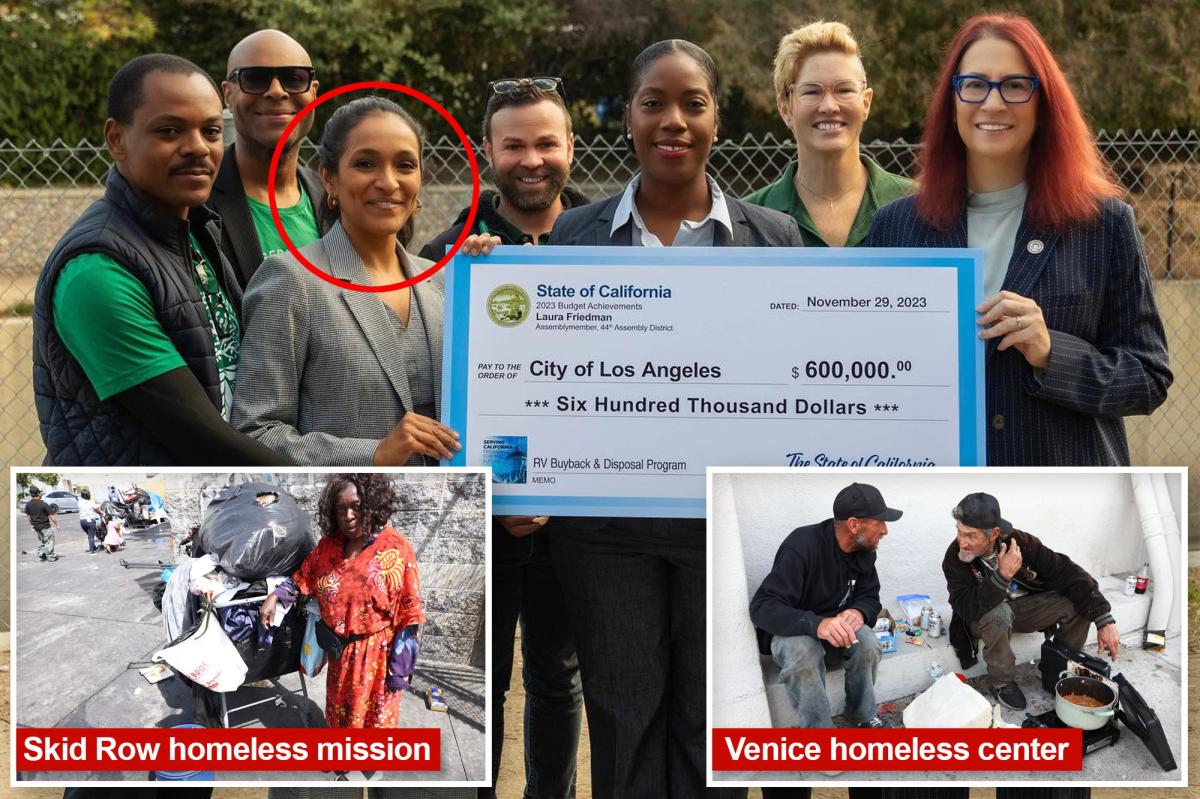

As Spencer Pratt was eliminated by Nithya Raman in the city’s mayoral race on Monday night, according to New York Post, revelations emerged that one drop-in center which received $600,000 from the socialist candidate had 185 registered voters at its address despite offering no overnight accommodations.
US Attorney Bill Essayli has now announced he will investigate the concerns and follow the evidence to determine whether any laws were violated.
A comprehensive review of public records reveals 7,600 voters registered to addresses tied to homeless shelters and service providers across Los Angeles, raising serious questions about the integrity of voter registration practices in California.
Major Discrepancies at Funded Facilities
The St. Joseph Center in Venice, a drop-in facility, had 185 voters registered to its address while receiving $600,000 in taxpayer funding from the homeless and housing committee during Raman’s tenure as chair, as New York Post reports.
The councilmember’s campaign and the center did not respond to requests for comment. However, a photograph showing Raman presenting a ceremonial check to the organization was removed from the center’s website following media inquiries.
Martin Rowe, a homeless man living in Venice, told the outlet he was registered to vote during an outreach effort conducted outside a Ralphs grocery store, describing how workers asked him questions and provided paperwork.
Midnight Mission Shows Largest Concentration
The most significant concentration of homeless voter registrations appeared at the Midnight Mission in Skid Row, where records show 1,160 registrations despite the facility’s website indicating it maintains only 84 beds for men and 36 beds for women.
A homeless man identified as Norman, who declined to provide his last name citing pending legal matters, told New York Post he witnessed voter registration efforts in the area for years and claimed he had previously been paid to help sign up voters. He alleged that cigarettes were offered to some individuals during registration drives.
Norman described the operations as a concentrated push to register voters in specific areas, noting that people were approached simply because they were present and that registration required only a few signature lines.
The publication could not independently verify who provided payments or cigarettes, or whether the activity connected to any specific campaign or political organization. The allegations echo a previous case involving a Marina Del Rey woman who pleaded guilty to paying homeless people on Skid Row to register to vote as part of a 20-year scheme tied to illegal petition signature collection.
Registered Voters Unable to Recall Process
Outside the Midnight Mission on Monday afternoon, investigators spoke with Bo Jackson, a registered voter who stated he could not remember registering and was unable to name a single candidate in the Los Angeles mayoral race.
Staff at the Midnight Mission declined to comment on how ballots are handled when they arrive at the shelter and asked the reporter to leave the premises.
Hundreds More at Treatment and Housing Facilities
The review identified hundreds of additional voters tied to supportive housing developments and affordable housing projects. Several locations added nearly 200 registered voters during the final weeks before registration deadlines.
More than 80 registered voters were found across four behavioral health and addiction treatment facilities: the Corner of Hope Mental Health Service Center, Volunteers of America Alcohol Services, Los Angeles Centers for Alcohol and Drug Abuse, and Homeless Health Care Los Angeles’ Harm Reduction Center.
An additional 313 registered voters were tied to addresses associated with Los Angeles County social services facilities.
Federal Prosecutor Demands Transparency
Essayli issued a strong statement criticizing California’s election oversight, declaring that the state has effectively decriminalized election fraud by removing basic fraud detection measures common in other states.
He characterized the combination of unclean voter rolls, absence of voter identification requirements, and unregulated ballot harvesting as an open invitation for bad actors to commit fraud.
The US Attorney called for California to restore public trust by complying with federal law and allowing audits of voter rolls, questioning what state officials have to hide.
Election Attorneys Defend Current System
Garrett Fahy, an attorney practicing election law in California, told New York Post that the registrations reflect how California’s election system is intentionally designed to operate.
He explained that the system prioritizes ensuring anyone eligible can register rather than preventing potential fraud, and that county election officials generally are not tasked with independently investigating voter registrations but instead administer elections under state law and regulations established by lawmakers and the Secretary of State.
With information from New York Post





