Karin Prien Wants to Conquer “Digital Space” with Program
Germany's Family Affairs Minister Karin Prien will consolidate the Democracy Lives funding program from eight categories to four starting in 2027, streamlining the roughly 191-million-euro initiative.
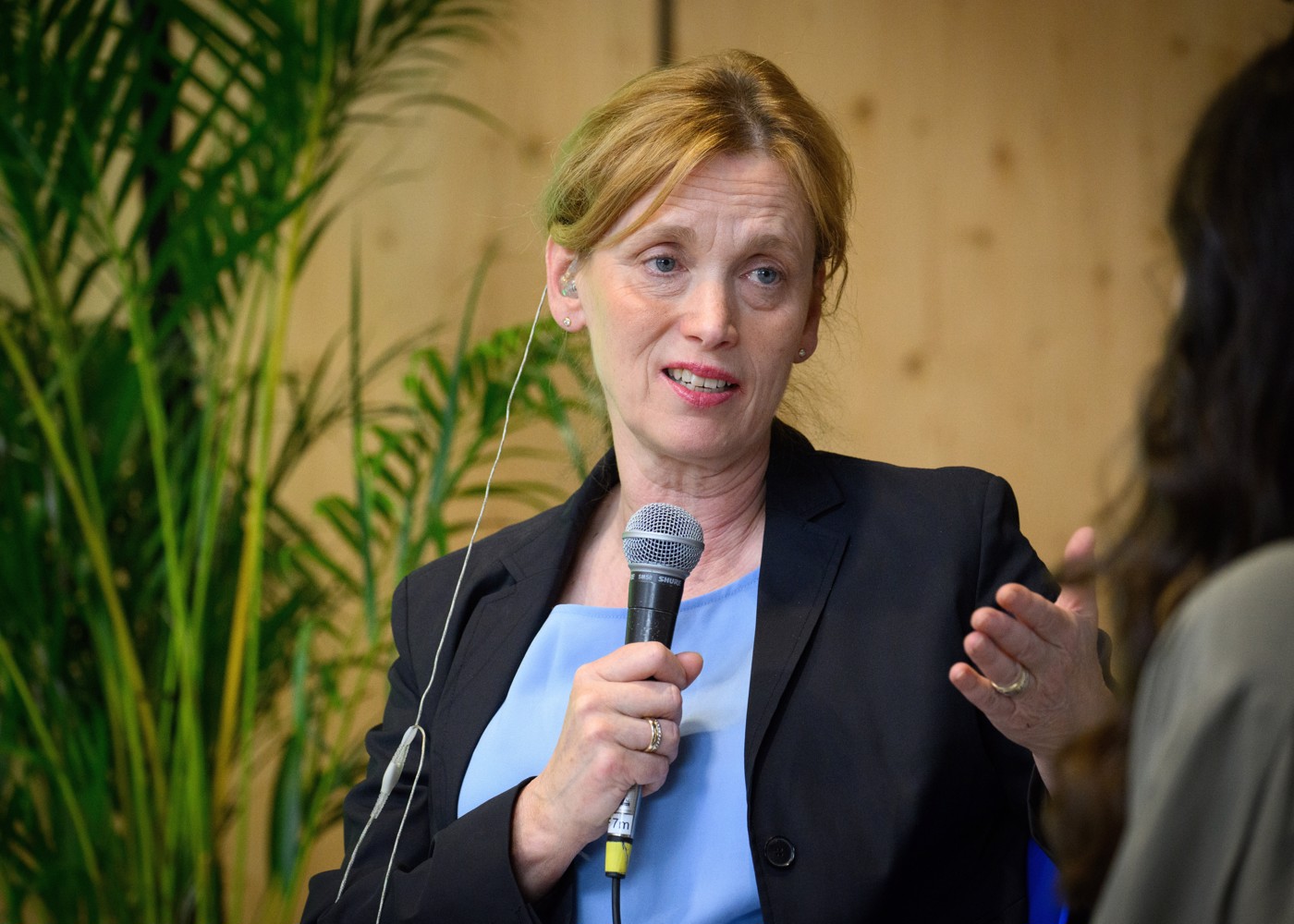

Germany’s Federal Minister for Family Affairs, Karin Prien, is preparing a major overhaul of the controversial “Democracy Lives!” funding program, according to new details revealed in a government response to a parliamentary inquiry from the Left Party, as Nius reports.
The restructuring will consolidate the current eight funding categories into just four streamlined levels beginning in 2027: municipalities, states, federal government, and a new category targeting the digital sphere. The program currently distributes approximately 182 million euros in 2025, rising to around 191 million euros in 2026.
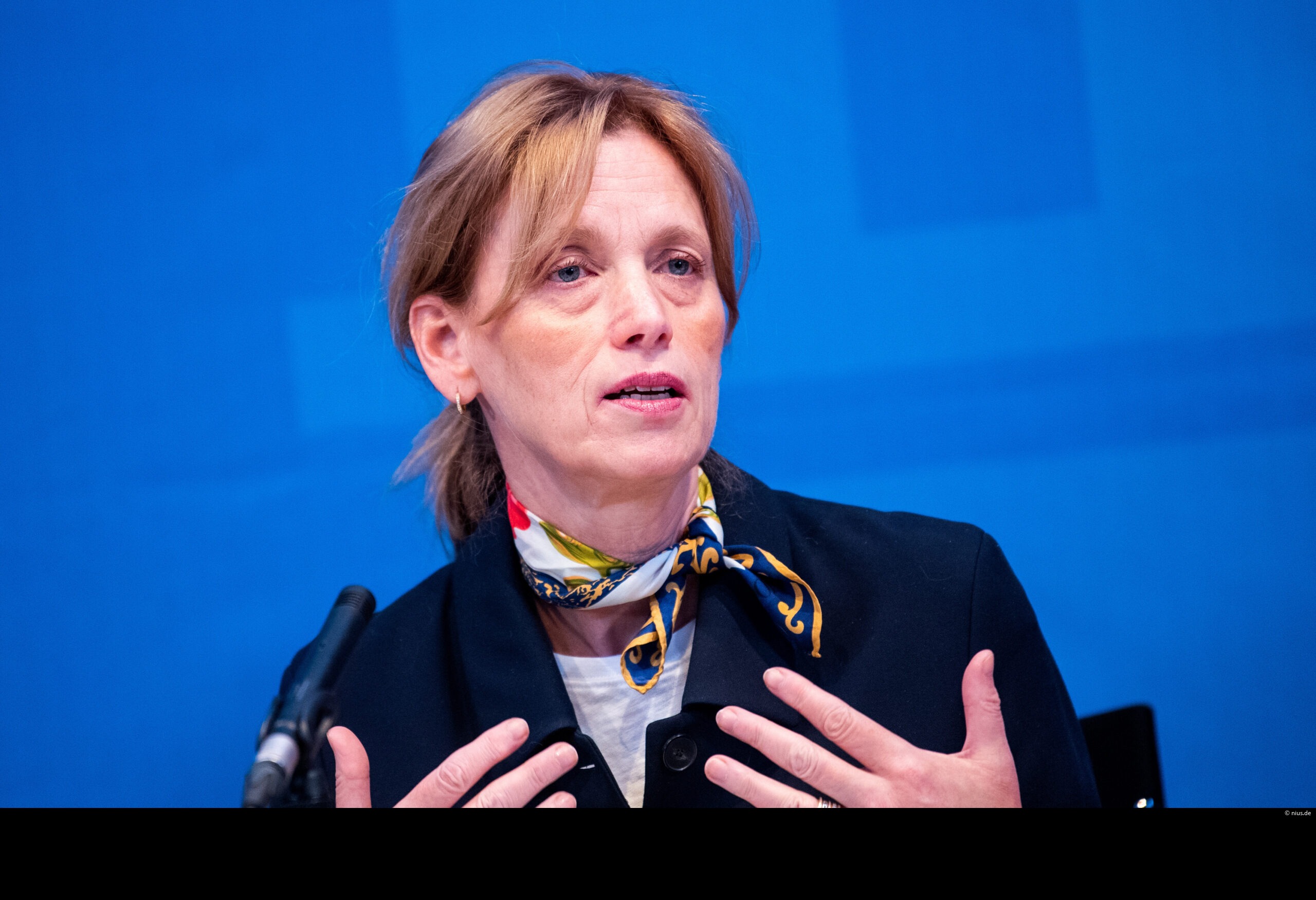
Under the existing structure, funding flows through categories including partnerships for democracy, state democracy centers, federal infrastructure development, and various innovation projects covering diversity management, democracy promotion, and extremism prevention. The state democracy centers alone receive about 33 million euros, while extremism prevention in prisons accounts for roughly 8 million euros budgeted for 2026.
The municipal-level “Partnerships for Democracy” component, which currently receives approximately 47 million euros annually, will continue under the new “Municipalities” category. These partnerships have faced scrutiny in the past, as the Family Ministry could not provide detailed accounting of final recipients, and funding reportedly reached local Antifa groups in some cases.
New Federal Initiative and Digital Focus
The federal infrastructure development programs and innovation projects will be eliminated entirely, replaced by a new “Federal Offensive for Democracy Education and Extremism Prevention.” According to the government’s response, this initiative will strengthen cooperation with established institutions including schools, vocational schools, youth organizations, and sports clubs.
The extremism prevention component will address right-wing extremism, left-wing extremism, Islamist extremism, racism, antisemitism, anti-Romani sentiment, and forms of group-based hostility. Integration and participation will also constitute a key focus area.
The government made clear that combating right-wing extremism remains a cornerstone priority. The prevention of right-wing extremism will continue to be a focus area, the federal government confirmed, stating it continues to attach great importance to efforts against right-wing extremism in Germany.
Digital Space and Vetting Procedures
The entirely new “Digital Space” category aims to reach people in digital communication and information environments where opinion formation, interaction, and radicalization processes occur, according to the government’s explanation.
Funded NGOs have been aware since October 2025 that the ministry’s funding structure would change from 2027 onward. As part of these changes, the so-called “Haber procedure” will now be implemented, requiring the Federal Ministry for Family Affairs to conduct security vetting through the domestic intelligence service to determine whether constitutional protection concerns exist regarding potential project recipients.
Prien plans to present the new funding directive in summer 2026. The ministry stated that one goal is to increasingly fund projects at and with established institutions to achieve broader impact. Daycare facilities and fire departments were cited as examples, though officials indicated that more specific details cannot yet be provided due to ongoing internal coordination processes.
With information from Nius