Necessary Cookies

Required for the site to function. Cannot be disabled.

Analytics Cookies

Help us understand how visitors interact with our site (Google Analytics via GTM).

Marketing Cookies

Used to track visitors and deliver personalised advertisements.

We use cookies to enhance your browsing experience and analyse site traffic. By clicking Accept All, you consent to our use of cookies. Privacy Policy
NewsFire Global
Home News Europe World Christianity Culture Wars Opinion Video
Information
About Us Authors Advertising Terms & Conditions Privacy Policy Contact
R2B Media
R2B NEWSFIRE.GR PAPAFOTIS.GR THRACTION HELLENIC CONSERVATIVES RIGHT2THEBONE YT
News World

Iran’s Pickaxe Mountain: Hidden Nuclear Facility Exposed

President Trump has threatened to strike Iran's fortified Pickaxe Mountain nuclear facility near Natanz, escalating tensions with potential implications for Eastern Mediterranean regional security.

JULY 15, 2026 AT 12:28 PM

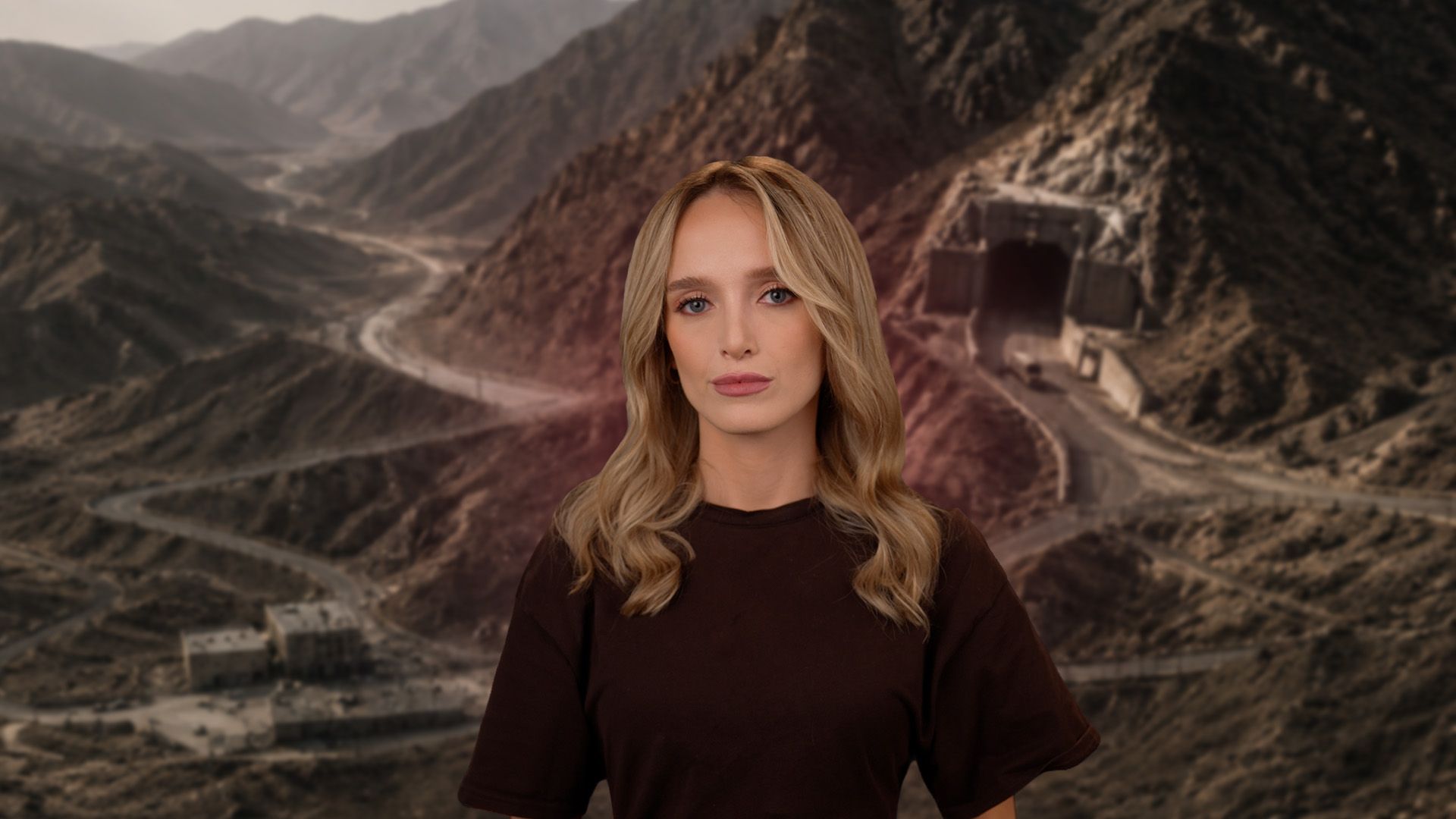
According to Al Jazeera English, Trump has specifically threatened to target the complex, which is located near Iran’s Natanz nuclear facility. The site represents one of Iran’s most heavily fortified underground installations related to its nuclear program.

The threat marks a significant escalation in rhetoric from the Trump administration and suggests that earlier American claims of having neutralized Iranian nuclear capabilities may have been premature or incomplete. The timing of the threat raises strategic concerns for Greece and the broader Eastern Mediterranean region, which could be drawn into any wider conflict between Washington and Tehran.

Ava Warriner of Al Jazeera English examined what is known about the underground complex and what the renewed American focus on the facility indicates about the current state of Iran’s nuclear infrastructure.

The Pickaxe Mountain facility’s subterranean nature makes it particularly challenging for conventional military strikes, potentially requiring specialized bunker-busting munitions or other advanced capabilities. Such an operation would represent a major military undertaking with unpredictable consequences for regional stability.

For Greece and its neighbors in the Eastern Mediterranean, any American military action against Iran could trigger retaliatory measures that extend beyond the immediate theater of operations. Iranian-aligned forces maintain a presence throughout the region, including in Syria and Lebanon, while Tehran has historically demonstrated willingness to respond asymmetrically to attacks on its strategic assets.

The threat also comes as energy security remains a paramount concern for European nations dependent on stable transit routes through the Eastern Mediterranean and surrounding waterways. Any conflict involving Iran would almost certainly impact global energy markets and maritime commerce through critical chokepoints.

Washington has maintained that Iran’s nuclear program represents an unacceptable threat to international security, while Tehran insists its nuclear activities remain within the bounds of civilian energy production. The existence of hardened underground facilities like Pickaxe Mountain continues to fuel Western skepticism about Iranian intentions.

With information from Al Jazeera English

Share:
Eleni Papadaki-Van Der Merwe

She was born in 1986 in Johannesburg, South Africa. She is the granddaughter of an immigrant from Crete who settled in the Greek community of Johannesburg (one of the largest in Africa). She holds a bachelor’s degree in International Relations and Political Science from the University of the Witwatersrand (Wits) in Johannesburg and a master’s degree in Journalism from Rhodes University in Grahamstown. She began her career at English-language media outlets in Johannesburg, covering politics and economics, with a focus on issues related to migration and the diaspora. She moved to Athens in 2015 to “return to her roots,” initially to pursue graduate studies, and has remained there permanently. She is married to an Afrikaner; they have two children and live in the southern suburbs of Athens.

According to Al Jazeera English, Trump has specifically threatened to target the complex, which is located near Iran’s Natanz nuclear facility. The site represents one of Iran’s most heavily fortified underground installations related to its nuclear program.

The threat marks a significant escalation in rhetoric from the Trump administration and suggests that earlier American claims of having neutralized Iranian nuclear capabilities may have been premature or incomplete. The timing of the threat raises strategic concerns for Greece and the broader Eastern Mediterranean region, which could be drawn into any wider conflict between Washington and Tehran.

Ava Warriner of Al Jazeera English examined what is known about the underground complex and what the renewed American focus on the facility indicates about the current state of Iran’s nuclear infrastructure.

The Pickaxe Mountain facility’s subterranean nature makes it particularly challenging for conventional military strikes, potentially requiring specialized bunker-busting munitions or other advanced capabilities. Such an operation would represent a major military undertaking with unpredictable consequences for regional stability.

For Greece and its neighbors in the Eastern Mediterranean, any American military action against Iran could trigger retaliatory measures that extend beyond the immediate theater of operations. Iranian-aligned forces maintain a presence throughout the region, including in Syria and Lebanon, while Tehran has historically demonstrated willingness to respond asymmetrically to attacks on its strategic assets.

The threat also comes as energy security remains a paramount concern for European nations dependent on stable transit routes through the Eastern Mediterranean and surrounding waterways. Any conflict involving Iran would almost certainly impact global energy markets and maritime commerce through critical chokepoints.

Washington has maintained that Iran’s nuclear program represents an unacceptable threat to international security, while Tehran insists its nuclear activities remain within the bounds of civilian energy production. The existence of hardened underground facilities like Pickaxe Mountain continues to fuel Western skepticism about Iranian intentions.

With information from Al Jazeera English

