
Iran’s ‘jellyfish drone’ signals new frightening military threat
An American F-15 pilot reported encountering "jellyfish drones" over Iran, though experts debate whether it was advanced technology or misidentified balloon clusters like those previously seen in Iraq.
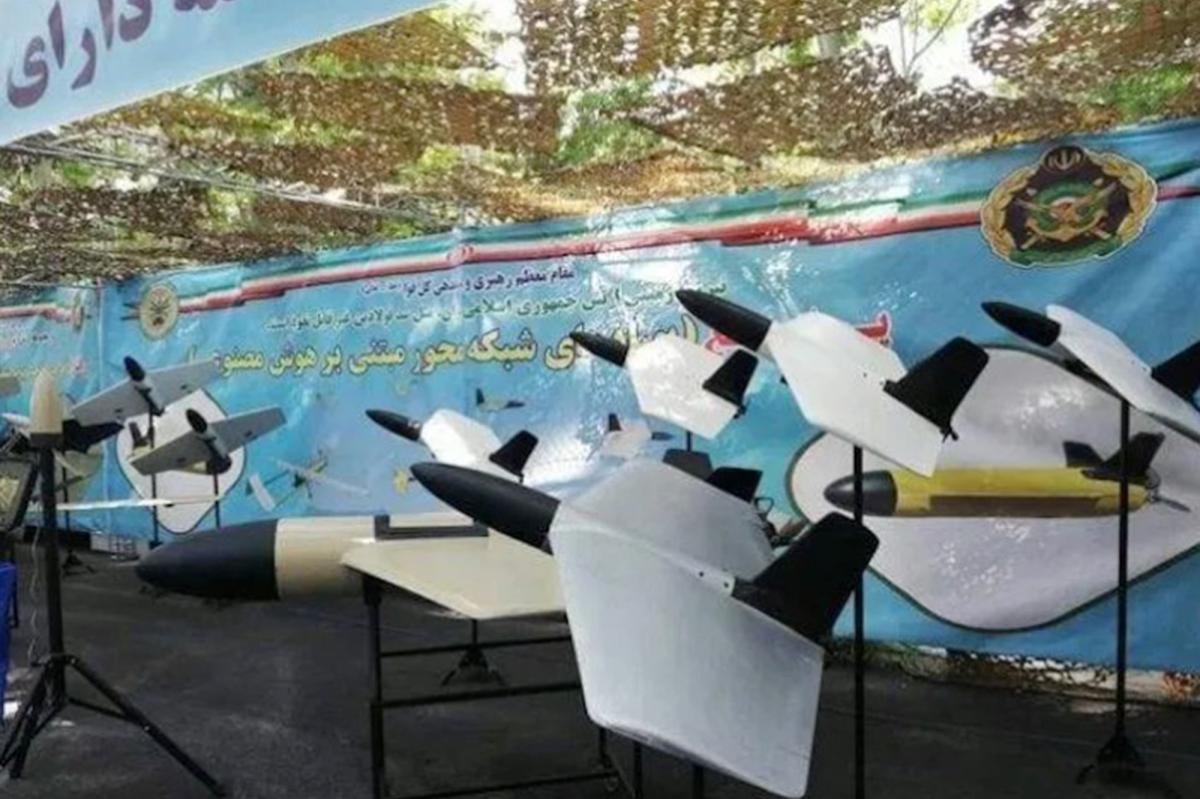

The pilot reported observing multiple drones moving in unison as a single entity, with smaller units positioned beneath larger ones in a leg-like configuration, according to New York Post. The sighting occurred shortly before the jet went down near the Zagros Mountains, as CNN sources revealed.
The aviator characterized the phenomenon as real alien sh-t, though analysts remain sharply divided on whether the observation represents a genuine technological advancement or misidentification under combat stress.
Previous Sightings and Balloon Clusters
Similar aerial jellyfish formations have appeared over both Iraq and Afghanistan in recent years. Footage captured near Al Taqaddum Air Base in Iraq during 2017 initially sparked UFO speculation before Pentagon investigators determined the object was simply a cluster of metallic balloons.
A 2024 video from Afghanistan, apparently filmed by a Reaper drone, showed a comparable multi-balloon arrangement that also generated extraterrestrial theories before rational explanation prevailed.
Military forces worldwide have long deployed balloons for intelligence gathering, either as single large weather balloons or as clusters carrying sensor equipment. The most notorious example remains Project Mogul from 1947, a classified American program designed to detect stratospheric signatures of Soviet nuclear testing. When Project Mogul debris landed near Roswell, New Mexico, initial military claims of a crashed flying saucer birthed decades of conspiracy theories.
Iranian Drone Technology or Aerial Barrage System
The Middle Eastern jellyfish formations likely carried electronic surveillance equipment and may have originated from Iranian operations. However, the F-15 pilot’s explicit use of the term “drones” suggests this incident differs from simple balloon clusters.
The critical detail centers on the word “interconnected” in the service member’s account. Physical interconnection via wires would echo World War II barrage balloon tactics, where tethered blimps strung together created impassable barriers against low-flying bombers. A modern drone variant could establish airborne obstacles against incoming aircraft and cruise missiles.
Alternatively, electronic interconnection could indicate drones flying in coordinated formation through digital links. While light-show drones readily achieve such displays through preprogramming and central control, their vulnerable communications make them unsuitable for military application.
American, Ukrainian, and Russian forces are all developing swarming drone capabilities using secure mesh radio systems. These swarms enable autonomous drones to cooperate and maintain formation without centralized control or choreographed planning.
Aerial Minefield Concept
The pilot also reported what appeared to be a drone minefield in the airspace. Though armed drones lack the speed to pursue agile fighters, a dispersed mass can blanket substantial sky sections. Any jet penetrating such a formation risks catastrophic damage from detonating units.
Russian drone manufacturer ZALA outlined a wide-spaced interceptor drone concept in 2021 intended to create impenetrable aerial minefields, though evidence of further development remains absent.
Tehran’s Unmanned Systems Capability
Iran maintains an extensive military drone development program and has emerged as a major exporter of unmanned systems. The Shahed drones that Russia deploys by the thousands against Ukrainian cities originated from Iranian design.
The Iranian Army unveiled its Mass Flight system in 2021, allowing an operator to control a lead drone while nine additional units automatically follow. Tehran described the system as possessing counter-air capability suitable for engaging aircraft. While technologically primitive at introduction, the platform may have advanced considerably over five years.
Unanswered Questions
Critical uncertainties remain regarding whether the jellyfish formation actually caused the F-15’s downing. Did the pilot collide with a drone? Was he sufficiently distracted to miss another threat? Or did the bizarre sighting simply coincide with an unrelated incident?
Some observers suggest the pilot, who sustained a concussion in the crash, may have been mistaken about his observations. Such an explanation would certainly prove convenient for those dismissing Iranian drone sophistication. However, Tehran’s documented history of unmanned aerial vehicle development and export warrants serious consideration of the pilot’s account.
With information from New York Post





