
Iran’s Decades of Nuclear Deception Exposed
Iran has spent decades obstructing international nuclear oversight through deception while enriching uranium, prompting the West to conclude it operated a weapons program until 2003.
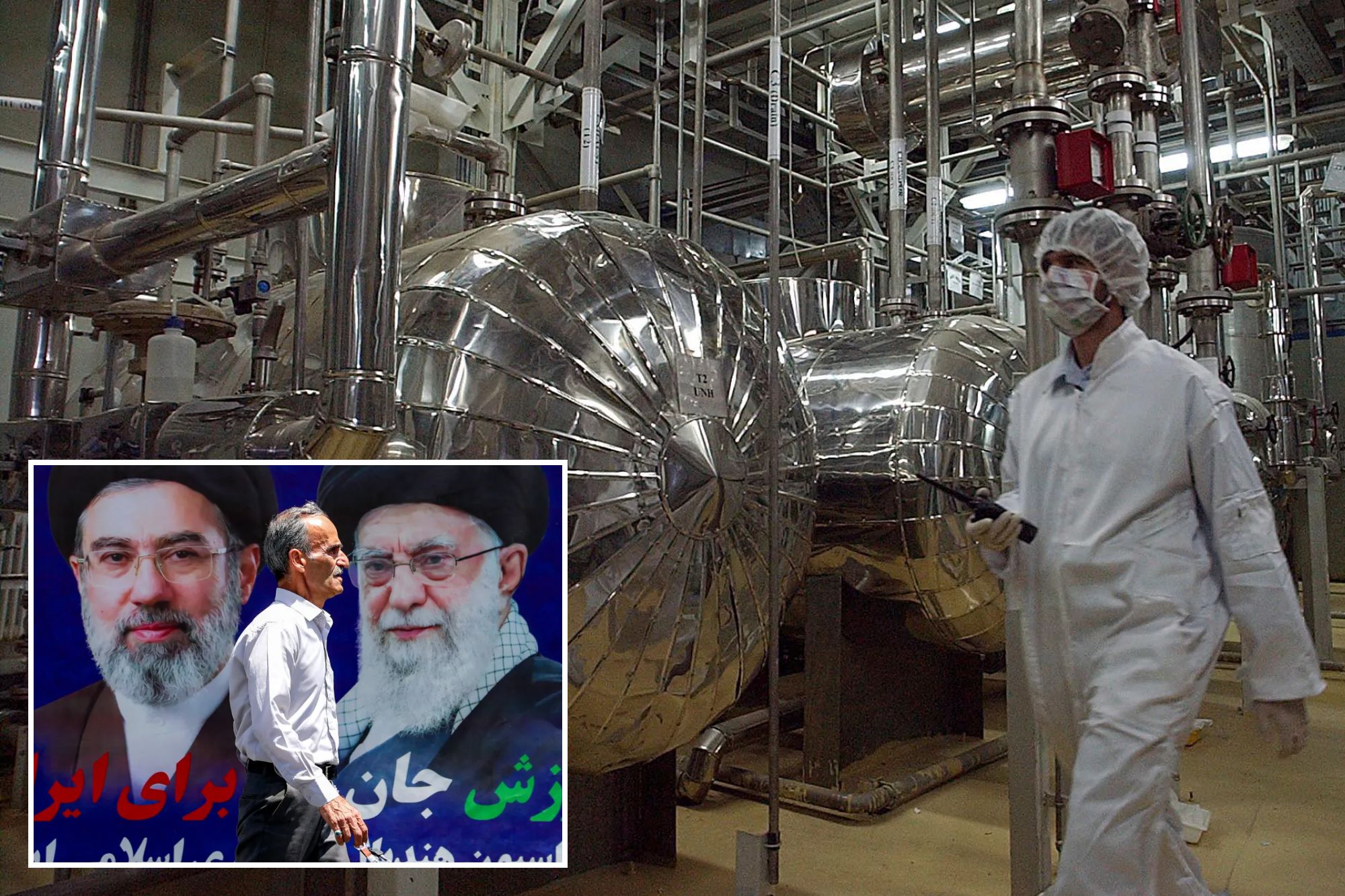

For years, the Islamic Republic has pushed ahead with uranium enrichment—the critical component for developing nuclear weapons—while insisting its nuclear activities serve only peaceful purposes. Western intelligence agencies and the International Atomic Energy Agency paint a starkly different picture, concluding that Tehran operated an unchecked weapons program until at least 2003.
Retired Admiral Mark Montgomery, senior fellow and senior director at the Center on Cyber and Technology Innovation at the Foundation for Defense of Democracies, wrote in 2025 that since Iran’s covert weapons program was first revealed nearly a quarter century ago, the ruling mullahs have pushed the fiction that their ambitions are exclusively peaceful. Meanwhile, he noted, they have led the United States, Europe, and the IAEA through a maze of obfuscation and outright deception.
Obama Deal, Trump Exit
In 2015, President Barack Obama signed the United States onto the Joint Comprehensive Plan of Action, a multilateral agreement designed to curb Tehran’s nuclear capabilities. The Trump Administration withdrew from the deal in 2018, with President Donald Trump denouncing it as defective at its core.
Trump cited inadequate inspection mechanisms that failed to prevent, detect, or punish cheating, noting that the agreement didn’t even guarantee unqualified inspection rights at many sites, including military facilities. He also criticized the deal for ignoring Iran’s ballistic missile development—weapons capable of delivering nuclear warheads.
Systematic Obstruction
Since the JCPOA collapsed, Iran has consistently blocked the IAEA from conducting thorough inspections, denying the UN nuclear watchdog access to surveillance footage from heavily fortified underground enrichment sites. The regime even barred one inspector after falsely accusing him of testing positive for explosive nitrates, a charge the agency firmly rejected.
In June 2025, the IAEA reported that Iran had failed to cooperate with United Nations inspectors and was repeatedly unable to demonstrate that its nuclear material wasn’t being diverted for military use.
Most recently, in February, Iran was accused of blocking international inspectors from accessing three nuclear facilities that had been struck by US forces in June, leaving global observers unable to determine how much weapons-grade uranium the regime may now possess, the IAEA found.
With information from New York Post





