Necessary Cookies

Required for the site to function. Cannot be disabled.

Analytics Cookies

Help us understand how visitors interact with our site (Google Analytics via GTM).

Marketing Cookies

Used to track visitors and deliver personalised advertisements.

We use cookies to enhance your browsing experience and analyse site traffic. By clicking Accept All, you consent to our use of cookies. Privacy Policy
NewsFire Global
Home News Europe World Christianity Culture Wars Opinion Video
Information
About Us Authors Advertising Terms & Conditions Privacy Policy Contact
R2B Media
R2B NEWSFIRE.GR PAPAFOTIS.GR THRACTION HELLENIC CONSERVATIVES RIGHT2THEBONE YT
News World

Iran War Exposes Failed Defense Strategy, Seven Dead

Recent hostilities between the U.S. and Iran killed seven Americans on Middle East bases, exposing vulnerabilities in America's fixed military infrastructure there.

JULY 13, 2026 AT 4:06 PM

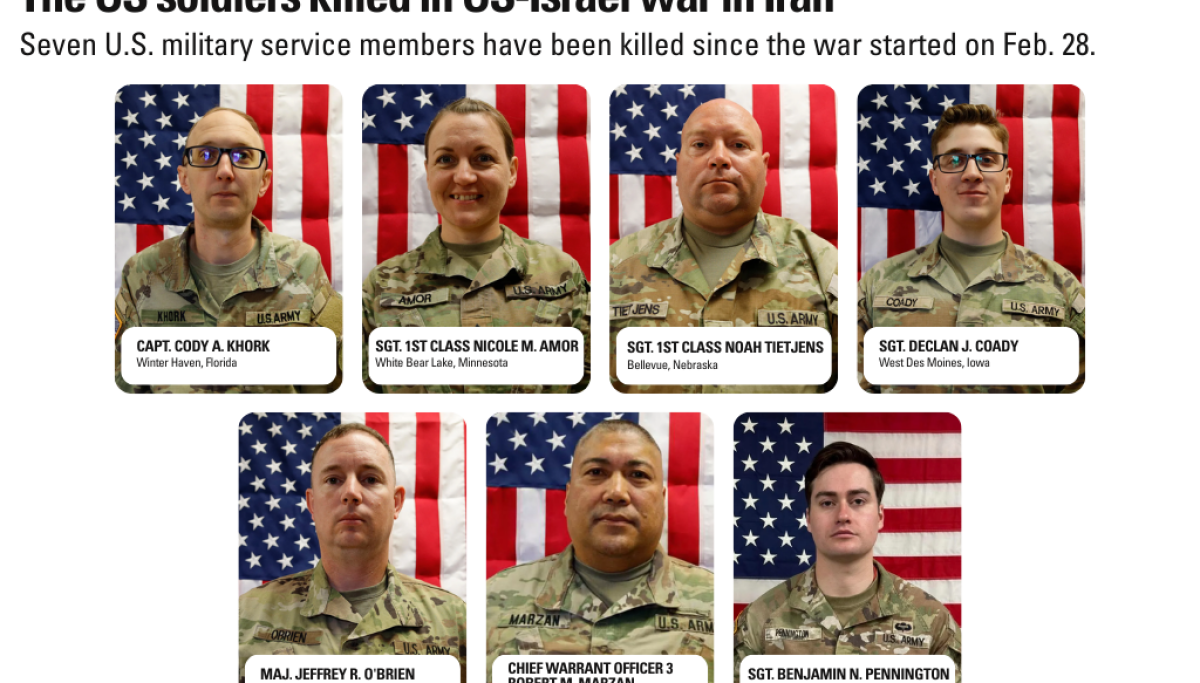
Seven Americans have been killed on U.S. military installations during the Iran conflict — not on front lines, but on bases that were ostensibly positioned to deter Iranian aggression, according to Matthew F. MacKenzie writing in Washington Examiner. The deaths underscore an uncomfortable strategic contradiction: while American forces have demonstrated exceptional reach and precision, the regional basing infrastructure has proven more exposed, costlier to defend, and less effective at controlling disruption than proponents claim.

MacKenzie argues that the service members stationed at these facilities performed admirably under fire. The failure was not one of training or courage but of strategic positioning — placing personnel in static, vulnerable locations that invited attack rather than deterred it.

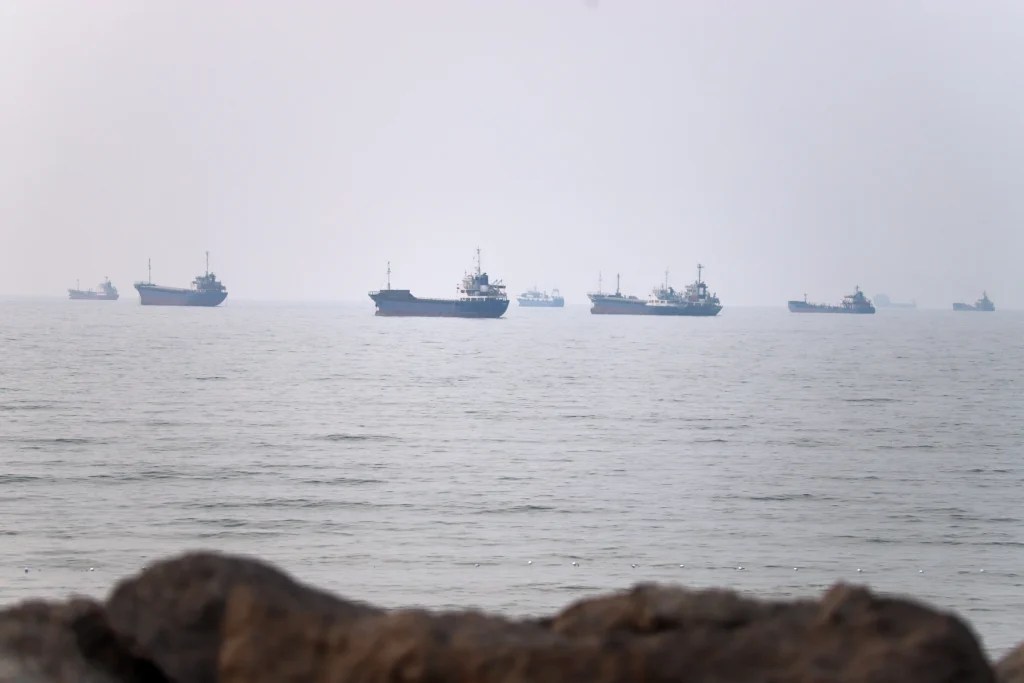
Despite Washington redirecting advanced air defense systems from around the globe, fixed U.S. bases throughout the Gulf region absorbed repeated strikes from Iranian missiles and drones. Gulf Cooperation Council partners hosting American military assets found themselves drawn deeper into the conflict, while a mid-tier regional power imposed substantial costs on the world’s most capable military.

These outcomes fundamentally challenge the longstanding rationale for America’s expansive Middle East military presence. For decades, Washington has justified the footprint as necessary to contain Iran, reassure Gulf allies, and secure global energy flows. The Iran conflict has cast serious doubt on all three pillars of this argument.

Rather than providing reassurance, U.S. bases became magnets for retaliation, placing civilian populations and critical energy infrastructure at heightened risk across all six GCC member states. Numerous American installations, including aircraft and naval vessels, required evacuation due to their vulnerability to attack.

Critically, the extensive U.S. military presence failed to prevent Iran from closing the Strait of Hormuz, triggering an energy crisis with lasting global economic consequences. If America’s regional posture cannot forestall such disruptions even during direct military intervention, MacKenzie questions what strategic value it delivers relative to its enormous cost and risk.

The United States currently maintains over 50,000 troops across nearly 20 facilities within U.S. Central Command’s area of operations. Analysis by Washington Post determined that Iranian airstrikes damaged or destroyed at least 228 structures and pieces of equipment across 15 U.S. military installations. A separate Wall Street Journal investigation revealed significant damage to America’s most important naval base in the region, with strikes hitting the main headquarters, two satellite communications terminals, and at least 12 other buildings.

Of the 13 American deaths during the Iran war, seven resulted from strikes on these facilities, with 400 additional personnel wounded. Despite overwhelming conventional military superiority, poor adaptation to Iran’s asymmetric tactics created a target-rich environment, forcing Washington to expend scarce defensive capabilities merely to protect its own forces.

Tehran understands it cannot defeat the United States in conventional warfare. Its strategy instead relies on missiles, drones, proxy forces, economic disruption, and favorable geography to make America’s regional position as politically and economically painful as possible.

Forward bases made strategic sense when precision strike technology was less developed, drone saturation tactics were immature, and U.S. airpower depended on nearby runways. Today, fixed installations within range of adversaries are increasingly vulnerable, expensive to defend, and less credible as deterrents.

Notably, U.S. personnel directed Operation Epic Fury not from Middle East command centers but from Shaw Air Force Base in South Carolina. If one of America’s most complex regional operations in decades could be commanded from the continental United States, MacKenzie contends, the case for maintaining an exposed system of forward command nodes within Iran’s missile and drone envelope is substantially weakened.

The Iran conflict demonstrates the limits of a Middle East strategy overly dependent on physical military presence. The largest U.S. military buildup in the region since the 2003 invasion of Iraq has failed to achieve principal American strategic objectives against Iran. Reducing the military footprint to match more limited interests would better protect those interests at lower cost and risk, MacKenzie argues.

With information from Washington Examiner

Share:
Eleni Papadaki-Van Der Merwe

She was born in 1986 in Johannesburg, South Africa. She is the granddaughter of an immigrant from Crete who settled in the Greek community of Johannesburg (one of the largest in Africa). She holds a bachelor’s degree in International Relations and Political Science from the University of the Witwatersrand (Wits) in Johannesburg and a master’s degree in Journalism from Rhodes University in Grahamstown. She began her career at English-language media outlets in Johannesburg, covering politics and economics, with a focus on issues related to migration and the diaspora. She moved to Athens in 2015 to “return to her roots,” initially to pursue graduate studies, and has remained there permanently. She is married to an Afrikaner; they have two children and live in the southern suburbs of Athens.

Seven Americans have been killed on U.S. military installations during the Iran conflict — not on front lines, but on bases that were ostensibly positioned to deter Iranian aggression, according to Matthew F. MacKenzie writing in Washington Examiner. The deaths underscore an uncomfortable strategic contradiction: while American forces have demonstrated exceptional reach and precision, the regional basing infrastructure has proven more exposed, costlier to defend, and less effective at controlling disruption than proponents claim.

MacKenzie argues that the service members stationed at these facilities performed admirably under fire. The failure was not one of training or courage but of strategic positioning — placing personnel in static, vulnerable locations that invited attack rather than deterred it.

Despite Washington redirecting advanced air defense systems from around the globe, fixed U.S. bases throughout the Gulf region absorbed repeated strikes from Iranian missiles and drones. Gulf Cooperation Council partners hosting American military assets found themselves drawn deeper into the conflict, while a mid-tier regional power imposed substantial costs on the world’s most capable military.

These outcomes fundamentally challenge the longstanding rationale for America’s expansive Middle East military presence. For decades, Washington has justified the footprint as necessary to contain Iran, reassure Gulf allies, and secure global energy flows. The Iran conflict has cast serious doubt on all three pillars of this argument.

Rather than providing reassurance, U.S. bases became magnets for retaliation, placing civilian populations and critical energy infrastructure at heightened risk across all six GCC member states. Numerous American installations, including aircraft and naval vessels, required evacuation due to their vulnerability to attack.

Critically, the extensive U.S. military presence failed to prevent Iran from closing the Strait of Hormuz, triggering an energy crisis with lasting global economic consequences. If America’s regional posture cannot forestall such disruptions even during direct military intervention, MacKenzie questions what strategic value it delivers relative to its enormous cost and risk.

The United States currently maintains over 50,000 troops across nearly 20 facilities within U.S. Central Command’s area of operations. Analysis by Washington Post determined that Iranian airstrikes damaged or destroyed at least 228 structures and pieces of equipment across 15 U.S. military installations. A separate Wall Street Journal investigation revealed significant damage to America’s most important naval base in the region, with strikes hitting the main headquarters, two satellite communications terminals, and at least 12 other buildings.

Of the 13 American deaths during the Iran war, seven resulted from strikes on these facilities, with 400 additional personnel wounded. Despite overwhelming conventional military superiority, poor adaptation to Iran’s asymmetric tactics created a target-rich environment, forcing Washington to expend scarce defensive capabilities merely to protect its own forces.

Tehran understands it cannot defeat the United States in conventional warfare. Its strategy instead relies on missiles, drones, proxy forces, economic disruption, and favorable geography to make America’s regional position as politically and economically painful as possible.

Forward bases made strategic sense when precision strike technology was less developed, drone saturation tactics were immature, and U.S. airpower depended on nearby runways. Today, fixed installations within range of adversaries are increasingly vulnerable, expensive to defend, and less credible as deterrents.

Notably, U.S. personnel directed Operation Epic Fury not from Middle East command centers but from Shaw Air Force Base in South Carolina. If one of America’s most complex regional operations in decades could be commanded from the continental United States, MacKenzie contends, the case for maintaining an exposed system of forward command nodes within Iran’s missile and drone envelope is substantially weakened.

The Iran conflict demonstrates the limits of a Middle East strategy overly dependent on physical military presence. The largest U.S. military buildup in the region since the 2003 invasion of Iraq has failed to achieve principal American strategic objectives against Iran. Reducing the military footprint to match more limited interests would better protect those interests at lower cost and risk, MacKenzie argues.

With information from Washington Examiner

