Necessary Cookies

Required for the site to function. Cannot be disabled.

Analytics Cookies

Help us understand how visitors interact with our site (Google Analytics via GTM).

Marketing Cookies

Used to track visitors and deliver personalised advertisements.

We use cookies to enhance your browsing experience and analyse site traffic. By clicking Accept All, you consent to our use of cookies. Privacy Policy
NewsFire Global
Home News Europe World Christianity Culture Wars Opinion Video
Information
About Us Authors Advertising Terms & Conditions Privacy Policy Contact
R2B Media
R2B NEWSFIRE.GR PAPAFOTIS.GR THRACTION HELLENIC CONSERVATIVES RIGHT2THEBONE YT
News World

Iran Rigs Nuclear Site Tunnels With Explosives to Guard Uranium

Iran has booby-trapped and collapsed tunnels at its Isfahan nuclear site to prevent seizure of 440 pounds of highly enriched uranium ahead of a U.S.-Iran peace deal requiring its surrender.

Newsroom
Newsroom Staff Writer
JUNE 14, 2026 AT 6:42 AM

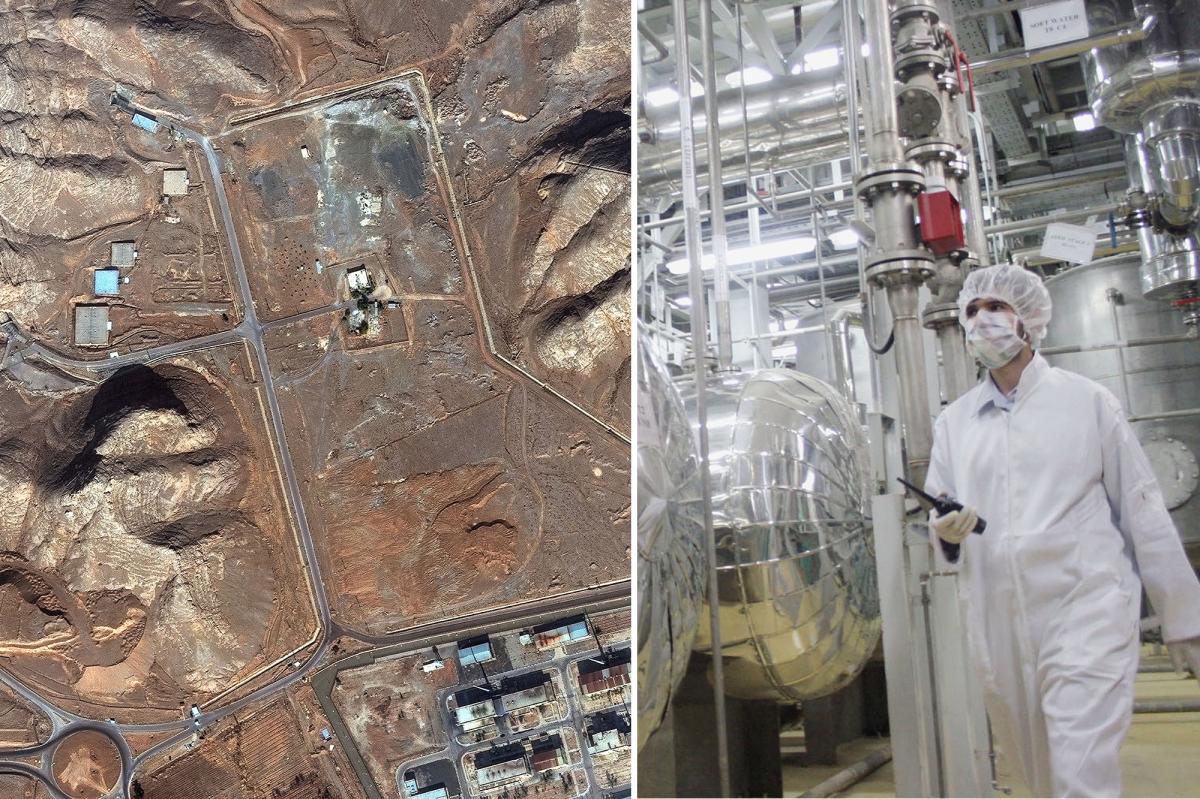
The Islamic Republic planted explosive mines at tunnel entrances and intentionally collapsed passageways to its nuclear cache in Isfahan, a city located south of Tehran, according to New York Post, citing five sources familiar with US intelligence.

The defensive actions follow reports that President Donald Trump considered deploying US troops to carry out a ground raid to seize the nuclear material in late March. While the risky operation was ultimately abandoned, two sources indicated it may have prompted Tehran to move aggressively to conceal its nuclear assets.

The tunnel complex houses approximately 440 pounds of uranium enriched to 60% purity, which represents only a short technical step away from weapons-grade material. This stockpile accounts for more than half of Iran’s total highly enriched uranium inventory, according to the International Atomic Energy Agency, the UN’s nuclear watchdog.

Isfahan stands as the only major Iranian nuclear facility that appears to have survived largely intact following the 12-day war with Israel in June 2025, the IAEA has noted.

Beyond planting explosives, Tehran has reportedly sealed additional tunnels at Isfahan over recent weeks to block access to nuclear materials. The timing coincides with negotiations over a proposed peace agreement between the US and Iran, expected to be signed this weekend.

The prospective deal requires Tehran to surrender its enriched uranium for on-site destruction and removal from the country. However, the newly created barriers mean the tunnels will need to be excavated and de-mined, significantly complicating the removal of delicate uranium material even for Iranian personnel, multiple sources confirmed.

The obstacles also provide Tehran with plausible cover to obscure the full extent of its compliance with any agreement. Scott Roecker, former head of the National Nuclear Security Administration’s Office of Nuclear Material Removal, expressed concern about Iran’s ability to exploit the situation.

I would worry that Iran would claim that some portion of the highly enriched uranium was irretrievable, Roecker told New York Post, warning that Washington would lack full confidence that Tehran couldn’t retain access to the material in the future.

With information from New York Post

Share:
Newsroom
Newsroom

NewsFire.GR is a website created with the hope that the media will rediscover their true identity, which is none other than informing the public about the real stakes of our times. Journalism and political analysis must hold power accountable, not serve it.

The Islamic Republic planted explosive mines at tunnel entrances and intentionally collapsed passageways to its nuclear cache in Isfahan, a city located south of Tehran, according to New York Post, citing five sources familiar with US intelligence.

The defensive actions follow reports that President Donald Trump considered deploying US troops to carry out a ground raid to seize the nuclear material in late March. While the risky operation was ultimately abandoned, two sources indicated it may have prompted Tehran to move aggressively to conceal its nuclear assets.

The tunnel complex houses approximately 440 pounds of uranium enriched to 60% purity, which represents only a short technical step away from weapons-grade material. This stockpile accounts for more than half of Iran’s total highly enriched uranium inventory, according to the International Atomic Energy Agency, the UN’s nuclear watchdog.

Isfahan stands as the only major Iranian nuclear facility that appears to have survived largely intact following the 12-day war with Israel in June 2025, the IAEA has noted.

Beyond planting explosives, Tehran has reportedly sealed additional tunnels at Isfahan over recent weeks to block access to nuclear materials. The timing coincides with negotiations over a proposed peace agreement between the US and Iran, expected to be signed this weekend.

The prospective deal requires Tehran to surrender its enriched uranium for on-site destruction and removal from the country. However, the newly created barriers mean the tunnels will need to be excavated and de-mined, significantly complicating the removal of delicate uranium material even for Iranian personnel, multiple sources confirmed.

The obstacles also provide Tehran with plausible cover to obscure the full extent of its compliance with any agreement. Scott Roecker, former head of the National Nuclear Security Administration’s Office of Nuclear Material Removal, expressed concern about Iran’s ability to exploit the situation.

I would worry that Iran would claim that some portion of the highly enriched uranium was irretrievable, Roecker told New York Post, warning that Washington would lack full confidence that Tehran couldn’t retain access to the material in the future.

With information from New York Post

