
Iran Launches Missiles at Israel in First Strike Since April
Iran launched a major missile barrage at Israel on Sunday, the first significant attack since last week's fragile ceasefire, defying American pressure to avoid regional escalation.
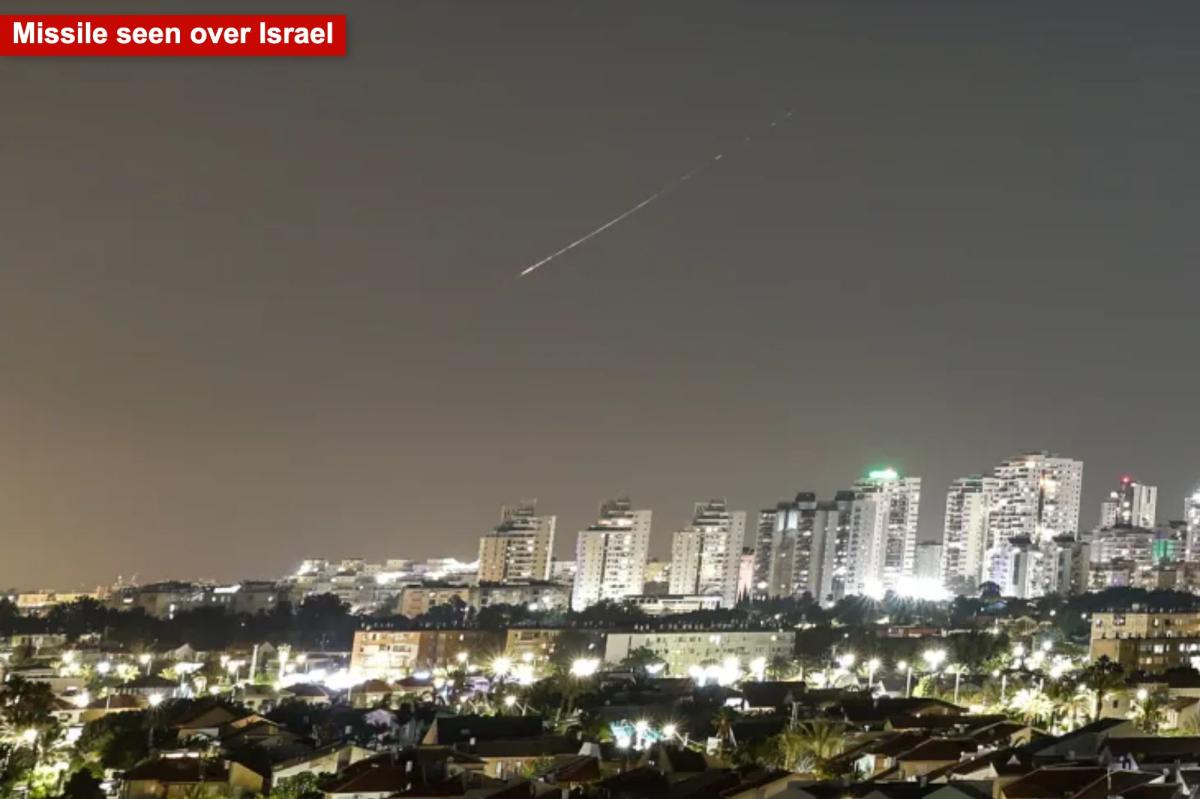

Warning sirens echoed across multiple areas of the Jewish state as Israeli defense systems scrambled to intercept at least three waves of incoming missiles, according to New York Post. Israeli military officials acknowledged that their defensive capabilities were not foolproof, though initial reports indicated no immediate casualties or substantial damage.
The country remains on high alert anticipating further strikes, authorities confirmed.
Mohsen Rezaei, an adviser to Iran’s supreme leader, appeared to take credit for the assault in a social media post. The missile launches occurred just hours after Israeli forces struck southern Beirut, targeting positions held by the Iranian-backed Hezbollah terror organization.
Tonight, the aggressors received their response, Rezaei declared online, threatening that Israel would face even harsher consequences if it chose to retaliate.
Iranian state media outlets confirmed the missile launches, warning that attacks would continue if Israel either responded militarily or failed to halt its operations in Lebanon.
Washington’s Failed Diplomatic Pressure
American officials have repeatedly urged Israel to avoid actions that could expand the conflict as they attempt to negotiate a lasting settlement with Tehran. Israel justified its Beirut strike as retaliation for Hezbollah aggression.
Last week saw Lebanese and Israeli governments reach a ceasefire agreement, though Hezbollah rejected the terms outright. Pakistan has also attempted to facilitate renewed dialogue between Tehran and Washington, but Iranian officials have insisted any agreement must include a complete end to Israeli military operations in Lebanon.
Netanyahu Holds Firm on Lebanon Strategy
Israel maintains an active military presence in Lebanon as it pursues Hezbollah forces, a position that has consistently complicated efforts to reach a comprehensive peace deal with Iran.
In an interview that aired Sunday on NBC’s Meet The Press, President Donald Trump stated he was not insisting that Lebanon be incorporated into any broader ceasefire framework.
Israeli Prime Minister Benjamin Netanyahu, facing reelection later this year, has remained adamant about continuing offensive operations in Lebanon until he determines Hezbollah no longer represents a strategic threat to Israeli security.
Prior to the Beirut strikes, Iranian officials had warned that any such attack would trigger full-scale warfare throughout the Middle East.
With information from New York Post





