Necessary Cookies

Required for the site to function. Cannot be disabled.

Analytics Cookies

Help us understand how visitors interact with our site (Google Analytics via GTM).

Marketing Cookies

Used to track visitors and deliver personalised advertisements.

We use cookies to enhance your browsing experience and analyse site traffic. By clicking Accept All, you consent to our use of cookies. Privacy Policy
NewsFire Global
Home News Europe World Christianity Culture Wars Opinion
Information
About Us Authors Advertising Terms & Conditions Privacy Policy Contact
R2B Media
R2B NEWSFIRE.GR PAPAFOTIS.GR THRACTION HELLENIC CONSERVATIVES RIGHT2THEBONE YT
News World

Iran Heads to Qatar, Slams ‘Excessive’ U.S. Demands

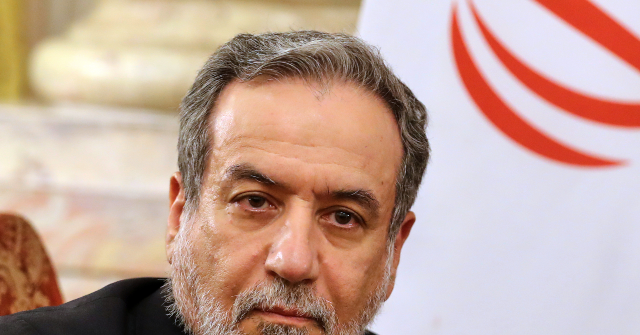
Iran's parliament speaker and foreign minister traveled to Qatar on Monday for negotiations aimed at reaching a peace agreement with the United States amid ongoing talks.

Newsroom
Newsroom Staff Writer
MAY 25, 2026 AT 8:04 PM

The diplomatic mission follows recent public statements from President Donald Trump and Secretary of State Marco Rubio, both confirming that Tehran and Washington have achieved progress in peace negotiations. While both American officials have cautioned that significant disagreements remain on core issues and that the process will require considerable time, their tone has reflected an optimism not seen in previous diplomatic efforts between the two nations.

Military operations and ceasefire

President Trump launched Operation Epic Fury in February, designed to dismantle Iran’s missile and drone capabilities that threaten neighboring states. On February 28, the president announced that American strikes had killed Iran’s longtime dictator, supreme leader Ali Khamenei. In subsequent months, both American and Israeli governments confirmed the elimination of dozens of high-ranking Iranian officials, as reported by Breitbart News.

In retaliation, Iran’s terrorist Islamic Revolutionary Guard Corps conducted bombing campaigns against Gulf Arab states with no direct involvement in the conflict, including Saudi Arabia, the United Arab Emirates, Bahrain, and Qatar. Iran remains the world’s leading state sponsor of terrorism, providing millions of dollars in support to organizations including Hamas, Hezbollah, and the Houthi movement in Yemen.

The military conflict entered an indefinite ceasefire in April when President Trump halted operations to create diplomatic space for peace negotiations. While occasionally interrupted by what the president has termed “love taps,” the ceasefire has largely held. The primary exception has been ongoing disruptions in the Strait of Hormuz, where the IRGC established a blockade preventing civilian maritime traffic, causing substantial damage to global commerce. The U.S. Navy responded by implementing a counter-blockade targeting only Iranian vessels transiting the Strait, applying pressure on Tehran to restore freedom of navigation in the strategically vital waterway.

Negotiation framework and positions

According to the Emirati newspaper The National, the first stage toward a comprehensive peace agreement is expected to be a memorandum of understanding that would end active hostilities. The White House is subsequently seeking an agreement ensuring the termination of Iran’s illicit nuclear program and preventing the Iranian regime from obtaining nuclear weapons. Tehran, meanwhile, is demanding the lifting of all sanctions and the unfreezing of assets worldwide that were frozen in response to decades of state-sponsored terrorism.

Specifically, Iran is demanding continued control over the Strait of Hormuz, asset unfreezing, and guarantees against further American military action during negotiations. American negotiators are seeking complete freedom of navigation in the Strait and strict limits on Iranian nuclear development, including a halt to uranium enrichment along with verification and inspection protocols to ensure Iranian compliance. Iran is currently believed to be enriching uranium at levels incompatible with any known civilian application, while simultaneously blocking International Atomic Energy Agency inspectors from accessing its nuclear facilities, making verification impossible.

Current diplomatic activity in Qatar

The state-run Islamic Republic News Agency confirmed Monday that Parliament Speaker Qalibaf, who has assumed a leading role in the negotiations, is currently in Qatar’s capital for ongoing diplomatic efforts, joining Foreign Minister Araghchi. Iranian officials are scheduled to hold consultations with Qatari counterparts on various aspects related to negotiations aimed at ending the conflict, as Breitbart News reports.

According to independent outlet Iran International, citing anonymous sources, Iranian negotiators are attempting to focus talks in Qatar on unfreezing approximately $12 billion in Iranian assets held by Qatar. Sources indicate that the release of these specific funds represents a strict precondition for the initial memorandum of understanding stage. Tehran’s broader negotiating stance reportedly insists that all frozen Iranian assets globally must be unfrozen and fully released as part of any eventual comprehensive agreement.

The Qatar visit follows public comments from President Masoud Pezeshkian, who is subordinate to missing supreme leader Mojtaba Khamenei, stating that Iran is open to negotiations but allegedly constrained by excessive American demands. Pezeshkian claimed Sunday that his government was prepared to demonstrate it is not pursuing nuclear weapons, though he provided no clarification on how such assurances would be verified. Iranian officials have for years maintained they are not seeking nuclear weapons, citing a purported fatwa from the late dictator Khamenei.

With information from Breitbart News

Share:
Newsroom
Newsroom

NewsFire.GR is a website created with the hope that the media will rediscover their true identity, which is none other than informing the public about the real stakes of our times. Journalism and political analysis must hold power accountable, not serve it.

The diplomatic mission follows recent public statements from President Donald Trump and Secretary of State Marco Rubio, both confirming that Tehran and Washington have achieved progress in peace negotiations. While both American officials have cautioned that significant disagreements remain on core issues and that the process will require considerable time, their tone has reflected an optimism not seen in previous diplomatic efforts between the two nations.

Military operations and ceasefire

President Trump launched Operation Epic Fury in February, designed to dismantle Iran’s missile and drone capabilities that threaten neighboring states. On February 28, the president announced that American strikes had killed Iran’s longtime dictator, supreme leader Ali Khamenei. In subsequent months, both American and Israeli governments confirmed the elimination of dozens of high-ranking Iranian officials, as reported by Breitbart News.

In retaliation, Iran’s terrorist Islamic Revolutionary Guard Corps conducted bombing campaigns against Gulf Arab states with no direct involvement in the conflict, including Saudi Arabia, the United Arab Emirates, Bahrain, and Qatar. Iran remains the world’s leading state sponsor of terrorism, providing millions of dollars in support to organizations including Hamas, Hezbollah, and the Houthi movement in Yemen.

The military conflict entered an indefinite ceasefire in April when President Trump halted operations to create diplomatic space for peace negotiations. While occasionally interrupted by what the president has termed “love taps,” the ceasefire has largely held. The primary exception has been ongoing disruptions in the Strait of Hormuz, where the IRGC established a blockade preventing civilian maritime traffic, causing substantial damage to global commerce. The U.S. Navy responded by implementing a counter-blockade targeting only Iranian vessels transiting the Strait, applying pressure on Tehran to restore freedom of navigation in the strategically vital waterway.

Negotiation framework and positions

According to the Emirati newspaper The National, the first stage toward a comprehensive peace agreement is expected to be a memorandum of understanding that would end active hostilities. The White House is subsequently seeking an agreement ensuring the termination of Iran’s illicit nuclear program and preventing the Iranian regime from obtaining nuclear weapons. Tehran, meanwhile, is demanding the lifting of all sanctions and the unfreezing of assets worldwide that were frozen in response to decades of state-sponsored terrorism.

Specifically, Iran is demanding continued control over the Strait of Hormuz, asset unfreezing, and guarantees against further American military action during negotiations. American negotiators are seeking complete freedom of navigation in the Strait and strict limits on Iranian nuclear development, including a halt to uranium enrichment along with verification and inspection protocols to ensure Iranian compliance. Iran is currently believed to be enriching uranium at levels incompatible with any known civilian application, while simultaneously blocking International Atomic Energy Agency inspectors from accessing its nuclear facilities, making verification impossible.

Current diplomatic activity in Qatar

The state-run Islamic Republic News Agency confirmed Monday that Parliament Speaker Qalibaf, who has assumed a leading role in the negotiations, is currently in Qatar’s capital for ongoing diplomatic efforts, joining Foreign Minister Araghchi. Iranian officials are scheduled to hold consultations with Qatari counterparts on various aspects related to negotiations aimed at ending the conflict, as Breitbart News reports.

According to independent outlet Iran International, citing anonymous sources, Iranian negotiators are attempting to focus talks in Qatar on unfreezing approximately $12 billion in Iranian assets held by Qatar. Sources indicate that the release of these specific funds represents a strict precondition for the initial memorandum of understanding stage. Tehran’s broader negotiating stance reportedly insists that all frozen Iranian assets globally must be unfrozen and fully released as part of any eventual comprehensive agreement.

The Qatar visit follows public comments from President Masoud Pezeshkian, who is subordinate to missing supreme leader Mojtaba Khamenei, stating that Iran is open to negotiations but allegedly constrained by excessive American demands. Pezeshkian claimed Sunday that his government was prepared to demonstrate it is not pursuing nuclear weapons, though he provided no clarification on how such assurances would be verified. Iranian officials have for years maintained they are not seeking nuclear weapons, citing a purported fatwa from the late dictator Khamenei.

With information from Breitbart News

