
Iran Games Hormuz While Washington Fumbles Response
Iran is testing U.S. tolerance for coercion in the Strait of Hormuz by gradually asserting control over shipping rather than outright closing the waterway, according to Washington Examiner.
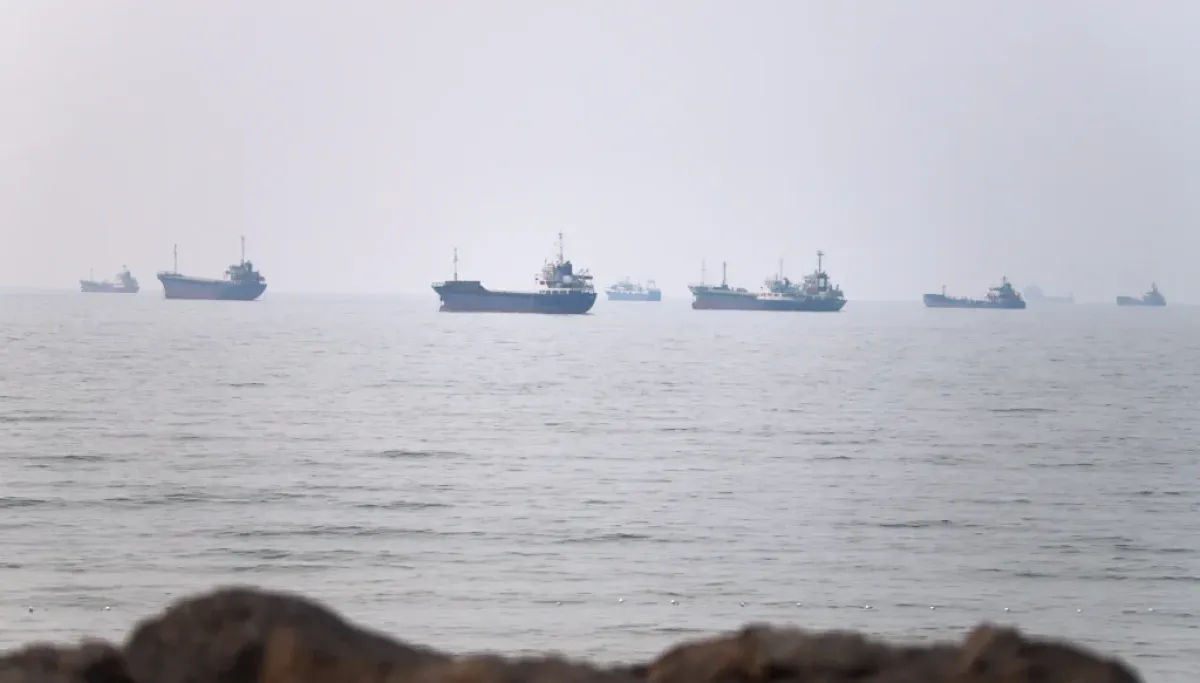

Iran’s strategy in the Strait of Hormuz is not about closing the waterway—it’s about teaching Washington that tolerating coercion is easier than confronting it, according to Arie Blitz writing in Washington Examiner. The recent U.S.-Iran understanding over the critical shipping lane may be less a diplomatic breakthrough than a permission structure for incremental aggression.
The latest developments from the strait suggest Tehran is already testing the boundaries. Tanker traffic has slowed once more, with some vessels deliberately disabling their tracking systems to avoid detection. War-risk insurers have issued warnings to shipowners about the hazards of transiting Hormuz, while the International Maritime Organization has called on member states to reject Iran’s attempts to assert control over passage through the waterway. Meanwhile, Iran continues to claim authority over transit routes, permits, and fees.
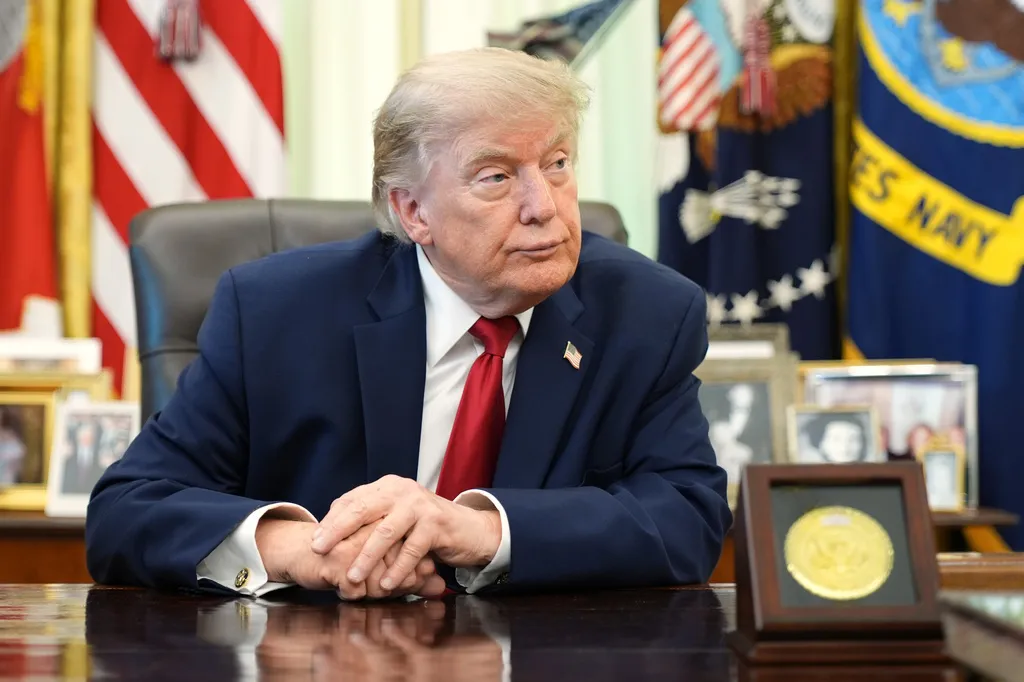


This pattern is not accidental—it is deliberate strategy. While American diplomats viewed the memorandum of understanding as a path toward de-escalation that would reopen shipping lanes, stabilize energy markets, and preserve diplomatic channels with Tehran, Iran saw something fundamentally different: leverage.
Tehran’s calculus does not hinge on a binary choice between compliance and defiance. Instead, the regime is probing to determine how much pressure it can apply while still forcing Washington to preserve the arrangement. Drone threats, missile warnings, maritime delays, toll demands, and assertions of authority over shipping routes should be understood as strategic tests rather than random provocations.
Iran does not need to formally scuttle the agreement. It only needs to demonstrate to Washington that enforcing the terms is more costly and destabilizing than tolerating violations.
The Logic of Repeated Games
This dynamic illustrates what game theorists call a repeated game. Unlike one-time transactions where compliance is straightforward, repeated interactions allow actors to probe boundaries and learn from responses. Each time a small violation triggers no serious consequence, it does more than break a rule—it reveals where the real red line sits.
Tehran has refined this approach over decades. The regime operates below the threshold that would provoke decisive retaliation, observes the reaction, and adjusts accordingly. It deploys proxies, maritime harassment, deniable attacks, calibrated threats, diplomatic delays, and carefully crafted ambiguity. The strategy rarely requires dramatic victories—only the ability to make enforcement appear more destabilizing than the original provocation.
The Strait of Hormuz now serves as the test case for this model.
Incompatible Objectives Disguised as Diplomacy
The United States wants the strait to remain open for commercial navigation. Iran wants leverage over that passage. Washington characterizes the agreement as de-escalation. Tehran seeks to transform it into recognition of its gatekeeper role. These are not merely different interpretations—they are fundamentally incompatible objectives.
The ambiguity embedded in the arrangement is not accidental. If the agreement calls for resumed shipping while leaving Iran room to contest routes, demand fees, intimidate vessels, or object to arrangements outside its control, then Tehran can comply with the letter of the deal while destroying its substance.
Psychological Warfare Over a Waterway
The most significant danger extends beyond oil prices or shipping delays. Iran is attempting to alter the fundamental psychology surrounding the waterway. If shipowners, insurers, Gulf states, and Western governments begin operating as though Iranian permission is a practical prerequisite for passage, Tehran will have secured a major concession without ever formally closing the strait.
The insurance dimension is particularly revealing. Iran does not need to physically block every vessel. It only needs to make passage sufficiently expensive, uncertain, and politically risky that others begin accommodating its demands. Modern coercion does not always manifest as a blockade—sometimes it appears as a surcharge, a warning, a permit requirement, an unexplained delay, or a ship’s transponder going dark.
Regional Proxies Are Watching
The precedent will not remain confined to the strait. Hezbollah will observe whether Iran faces consequences for weaponizing commercial shipping. The Houthis will take note. Iraqi militias will study the response. Hamas will draw conclusions. Every Iranian proxy throughout the region will notice whether Washington imposes real costs on Tehran’s aggression or simply adapts to accommodate it.
Israel is also watching, but from a different vantage point. For Jerusalem, the challenge is not limited to Iran’s nuclear program, missile arsenal, or regional proxy network. The deeper problem is that American diplomacy too frequently treats Israeli restraint as the primary adjustable variable in Middle East crisis management.
If Washington allows Tehran to redefine freedom of navigation in the Persian Gulf through incremental coercion, the implications will extend far beyond energy markets. The lesson will be that patient aggression below the threshold of decisive response can gradually reshape strategic realities—and that American deterrence can be worn down one small violation at a time.
With information from Washington Examiner





