Necessary Cookies

Required for the site to function. Cannot be disabled.

Analytics Cookies

Help us understand how visitors interact with our site (Google Analytics via GTM).

Marketing Cookies

Used to track visitors and deliver personalised advertisements.

We use cookies to enhance your browsing experience and analyse site traffic. By clicking Accept All, you consent to our use of cookies. Privacy Policy
NewsFire Global
Home News Europe World Christianity Culture Wars Opinion Video
Information
About Us Authors Advertising Terms & Conditions Privacy Policy Contact
R2B Media
R2B NEWSFIRE.GR PAPAFOTIS.GR THRACTION HELLENIC CONSERVATIVES RIGHT2THEBONE YT
News World

Iran Agrees Not to Build Nukes in Trump Peace Deal Worth $25B

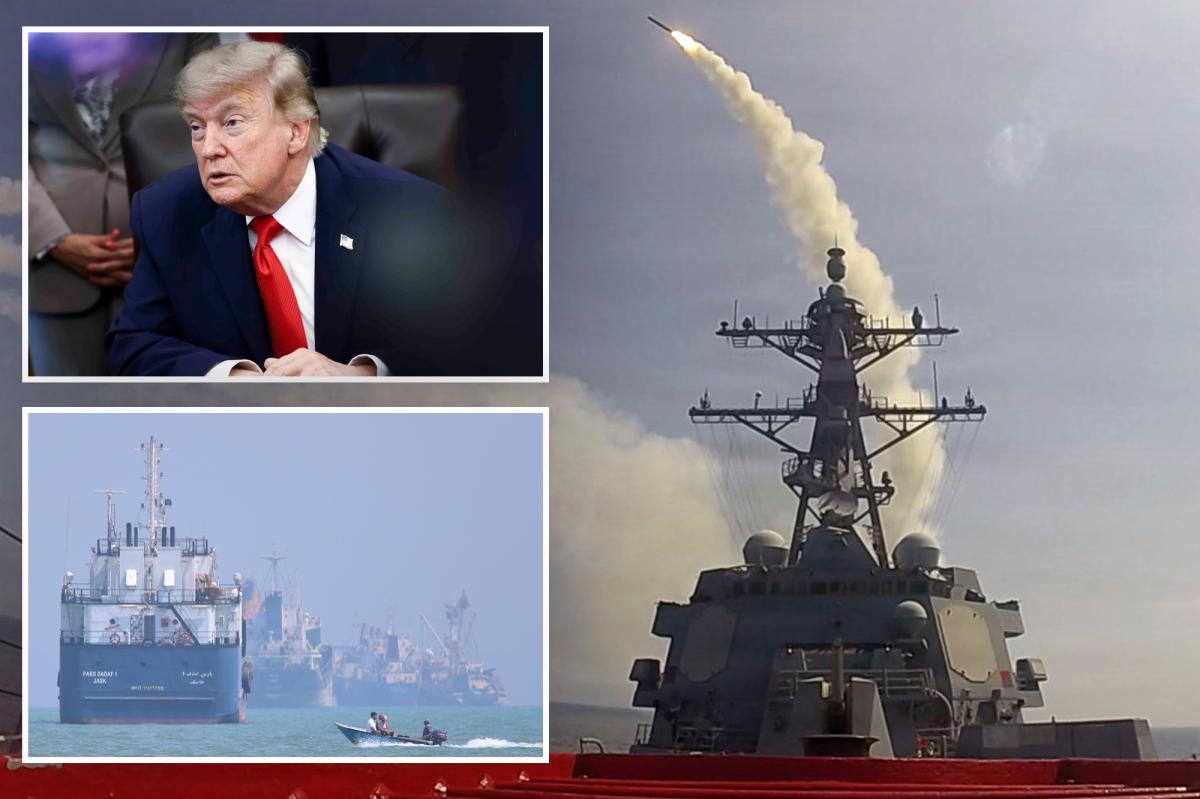
The Trump administration has brokered a nuclear deal with Iran that would halt Tehran's weapons program and reopen the Strait of Hormuz in exchange for releasing $25 billion in frozen assets.

Newsroom
Newsroom Staff Writer
JUNE 14, 2026 AT 4:42 PM

Iranian officials expressed cautious optimism Sunday about finalizing the deal, which could bring an end to a conflict that has destabilized global energy markets for three and a half months. The agreement follows intensive diplomatic efforts by President Donald Trump‘s administration.

Trump announced the breakthrough alongside Pakistani Prime Minister Shehbaz Sharif on Saturday, confirming that the deal would be signed Sunday and immediately result in reopening the Strait of Hormuz. The narrow waterway serves as a critical chokepoint for global energy supplies, with one-fifth of the world’s oil flowing through it before the conflict brought shipping traffic to a near standstill.

A spokesperson from Iran’s Foreign Ministry indicated that the deal could be formalized within the coming days, as New York Post reports.

According to Pakistani officials familiar with the negotiations, the agreement establishes a 60-day framework for technical discussions on outstanding issues between Washington and Tehran, though it does not resolve all bilateral tensions. Under the terms, the United States would unfreeze $25 billion in Iranian assets and lift its blockade on Iranian-linked vessels attempting to transit the strait.

The diplomatic progress comes as regional tensions flare elsewhere. Israel’s military announced Sunday it conducted strikes against Hezbollah infrastructure in Beirut, Lebanon’s capital. Prime Minister Benjamin Netanyahu characterized the strikes as retaliation for Hezbollah attacks targeting northern Israel.

Tehran serves as Hezbollah’s primary backer and previously responded to Israeli strikes on Beirut with its own retaliatory strikes on Israel last weekend. Iranian officials have maintained that any ceasefire agreement with the United States must include provisions ending Israeli military operations in Lebanon.

With information from New York Post

Share:
Newsroom
Newsroom

NewsFire.GR is a website created with the hope that the media will rediscover their true identity, which is none other than informing the public about the real stakes of our times. Journalism and political analysis must hold power accountable, not serve it.

Iranian officials expressed cautious optimism Sunday about finalizing the deal, which could bring an end to a conflict that has destabilized global energy markets for three and a half months. The agreement follows intensive diplomatic efforts by President Donald Trump‘s administration.

Trump announced the breakthrough alongside Pakistani Prime Minister Shehbaz Sharif on Saturday, confirming that the deal would be signed Sunday and immediately result in reopening the Strait of Hormuz. The narrow waterway serves as a critical chokepoint for global energy supplies, with one-fifth of the world’s oil flowing through it before the conflict brought shipping traffic to a near standstill.

A spokesperson from Iran’s Foreign Ministry indicated that the deal could be formalized within the coming days, as New York Post reports.

According to Pakistani officials familiar with the negotiations, the agreement establishes a 60-day framework for technical discussions on outstanding issues between Washington and Tehran, though it does not resolve all bilateral tensions. Under the terms, the United States would unfreeze $25 billion in Iranian assets and lift its blockade on Iranian-linked vessels attempting to transit the strait.

The diplomatic progress comes as regional tensions flare elsewhere. Israel’s military announced Sunday it conducted strikes against Hezbollah infrastructure in Beirut, Lebanon’s capital. Prime Minister Benjamin Netanyahu characterized the strikes as retaliation for Hezbollah attacks targeting northern Israel.

Tehran serves as Hezbollah’s primary backer and previously responded to Israeli strikes on Beirut with its own retaliatory strikes on Israel last weekend. Iranian officials have maintained that any ceasefire agreement with the United States must include provisions ending Israeli military operations in Lebanon.

With information from New York Post

